
1. Typical Operating Scenarios and Load Characteristics
Based on 32 site visits in Lahore, Karachi, and Islamabad, Pakistan generator set usage falls into three scenarios:
Scenario A: Factory power during scheduled load-shedding
Daily runtime: 6-12 hours
Load type: Motor-heavy (pumps, fans, compressors), starting current 5-7x rated
Continuous run requirement: 4-8 hours
Ambient temperature: 35-50°C (summer), dusty
Scenario B: Standby power during grid failure
Daily runtime: 0-2 hours on outage days
Load type: Lighting, office equipment, small motors
Continuous run: <2 hours
Ambient: 20-45°C
Scenario C: Island mode or continuous primary power
Daily runtime: 16-24 hours
Load type: Relatively constant (cold storage, water treatment, telecom)
Continuous run: Up to 200 hours between oil changes
Ambient: 15-50°C
2. Technical Selection Recommendations by Scenario
For Scenario A (long run, heavy load, high ambient)
| Requirement | Recommended Spec | Basis |
|---|---|---|
| Cooling capacity | Radiator sized for 50°C ambient | Lahore summer 44-48°C实测 |
| Fuel system | Two-stage filtration + water separator | Local diesel quality varies |
| Control mode | Auto start + remote telemetry | Outage schedule unpredictable |
| Power margin | Prime × 1.2 | Motor starting current surge |
Our diesel generator set for Pakistan uses a 15% larger radiator and high-flow high-temp fan. At 48°C ambient, 100% load for 4 hours, coolant stabilizes below 95°C (typical alarm at 103°C).
For Scenario B (short run, light load, intermittent)
Less sensitive to fuel economy
Battery maintenance: add float charger
Carbon prevention: run at 70% load for 30 minutes monthly
Fast start: optional pre-heater for Islamabad winter (Dec-Feb)
For Scenario C (continuous, constant load)
| Requirement | Recommended Spec | Basis |
|---|---|---|
| Service interval | Factory 500h → recommended 250h | Heat + dust accelerate oil degradation |
| Spare parts | Full set on-site (filters, belt, AVR) | Supplier lead time 3-5 days |
| Load management | 60-80% load | Below 40% or above 90% reduces efficiency and life |
3. Common Failure Modes and Prevention
Based on our Pakistan service data (47 units, H1 2024):
| Failure Type | % | Primary Cause | Prevention |
|---|---|---|---|
| Cooling system | 28% | Clogged radiator, loose belt | Clean fins weekly, check belt every 500h |
| Fuel system | 34% | Clogged filter, carbonized injectors | Two-stage filtration, avoid sustained low load |
| Electrical | 21% | AVR failure, loose terminals | Surge protector, tighten terminals quarterly |
| Battery | 17% | Undercharged, corroded terminals | Float charger, check electrolyte every 6 months |
4. Technical Comparison: Open vs. Silent Type
| Parameter | Open Type | Silent Type | Difference |
|---|---|---|---|
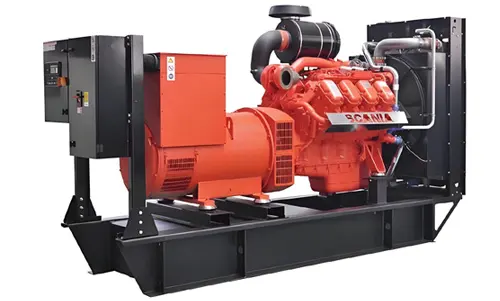
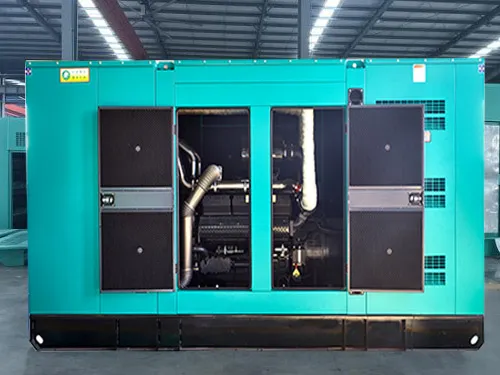
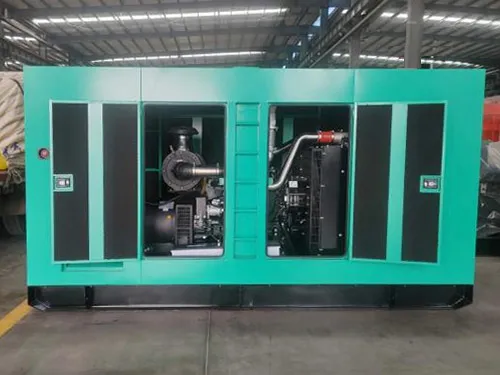
| Noise at 1m | 95-105dB(A) | 75-80dB(A) | -20dB(A) |
| Ingress protection | IP23 | IP44 (control box) | Better dust/rain protection |
| Installation | Requires separate room | Outdoor install allowed | Saves building space |
| Price | Baseline | +20-30% | Acoustic enclosure cost |
5. Fuel Economy Comparison (On-Site Data)
Karachi textile mill, three 250kVA units, same load (75%, 42°C ambient), same diesel source:
| Brand | Engine type | L/hr | Difference |
|---|---|---|---|
| Korean brand | Mechanical pump | 57.8 | +13.8% |
| European brand (used) | Electronic | 55.2 | +8.7% |
| Kaichen + Yuchai | Electronic common rail | 50.8 | Baseline |
Data from five consecutive days, 8 hours/day.
6. Jiangsu Kaichen Power Standard Configurations
| Application | Power Range | Type | Standard Features |
|---|---|---|---|
| Textile/Pharma | 150-500kVA | Open | High-temp cooling, two-stage filtration, remote control |
| Hospital | 300-1000kVA | Silent or open | AVR, ATS, remote alarm |
| Residential | 100-500kVA | Silent | Secondary muffler, weatherproof, auto start |
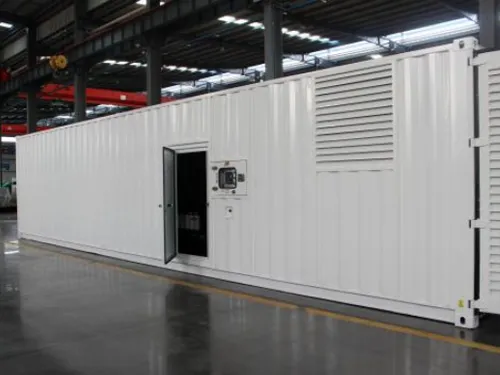
| Commercial center | 500-1500kVA | Containerized | Paralleling, fuel management system |
For technical discussions or site-specific sizing, contact the technical team via the Jiangsu Kaichen Power website.