

Review of 2026 standby diesel generator applications in commercial building emergency backup power, technical specifications, and selection parameters. Reference for business continuity planning.
Introduction
Industry data from the Uptime Institute (2026 Q1 report) indicates unplanned power outages in commercial buildings cause an average financial loss of $8,800 per minute for critical facilities like data centers and hospitals. This underscores the growing demand for reliable emergency backup solutions. This article compiles publicly available technical information, industry standards, and market observations related to standby diesel generator applications in commercial building emergency backup scenarios.
Industry Landscape: Backup Power Demands in Commercial Real Estate
Macro Trend: Rising Reliability Requirements
The global commercial real estate sector’s investment in backup power systems has grown at a 5.2% CAGR (2021–2026), per Grand View Research. This aligns with stricter regulatory requirements and increasing digitalization of commercial operations.
Regulatory Compliance
Most commercial buildings in North America and Europe must comply with local electrical codes (e.g., NFPA 110 for emergency/standby power systems). These standards specify response time limits (e.g., 10 seconds for healthcare facilities) and redundancy requirements for commercial emergency power supply systems.
Technical Specification Trends
Publicly available datasheets from manufacturers (e.g., Cummins, Perkins) show modern standby diesel generator models feature faster load acceptance (≤ 30 seconds) and 25% lower fuel consumption than 2018 models, addressing key operational concerns for businesses.
Market Growth in Commercial Backup Generators
IHS Markit reports global shipments of emergency generator for business in the commercial segment reached 120,000 units in 2025 (7% YoY growth). The Asia-Pacific region drove 45% of this growth, fueled by infrastructure development in India and Southeast Asia.
Technical Reference: Commercial Backup Power System Design
The following steps are derived from industry standards (e.g., NFPA 110) and public technical guidelines for diesel generator applications in commercial settings:
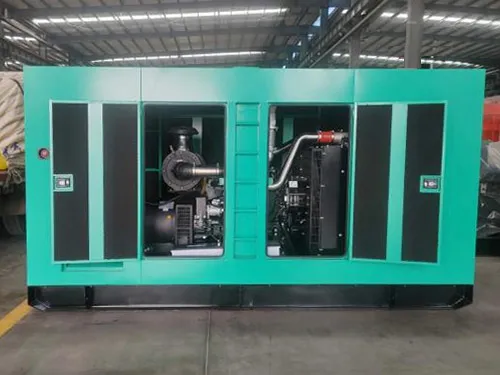
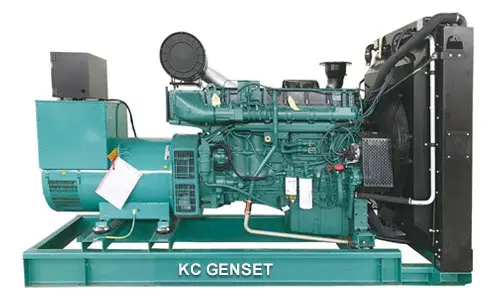
Verify Response Time Compliance
Confirm the generator’s startup/load transfer time meets occupancy requirements (e.g., 10 seconds for healthcare, 60 seconds for offices). Request test reports from the manufacturer.
Assess Load Capacity & Redundancy
Calculate the building’s critical load (e.g., elevators, HVAC, IT systems) and ensure the generator’s rated power (kVA) exceeds this by ≥20% for redundancy. Verify support for parallel operation (e.g., N+1 configurations) for scalable power.
Review Emissions & Noise Standards
For urban commercial areas, verify compliance with local emissions (EPA Tier 4, EU Stage V) and noise regulations (≤65 dB(A) at 7 meters). Noise attenuation enclosures are often required for commercial emergency power supply systems near residential zones.
Note: Performance data is measured at 25°C ambient temperature and 100% rated load. Actual performance may vary based on altitude, temperature, and maintenance practices.
Selection Reference: Commercial Building Backup Power
Key factors to evaluate for commercial building backup power systems include:
High-rise Offices: Prioritize fast response time (≤15 seconds), load management (elevator/HVAC compatibility), and remote monitoring.Healthcare Facilities: Focus on NFPA 110 compliance, redundancy (N+1), and clean power (≤5% THD) for medical equipment.
Data Centers: Verify power density (kW/m²), fuel efficiency, and UPS compatibility for seamless transition.
When selecting a standby diesel generator for commercial emergency backup, consult a qualified engineer to align specifications with the building’s operational needs and local regulations.
Final Recommendation
To ensure business continuity, commercial building owners should prioritize standby diesel generator systems that balance regulatory compliance, technical performance, and operational efficiency. Partnering with a trusted manufacturer (e.g., Jiangsu Kaichen Power Equipment Co, which offers NFPA 110-compliant standby generators with fast response times and redundant configurations) can help align solutions with unique facility requirements.
Actual performance may vary based on installation environment, usage, and maintenance.