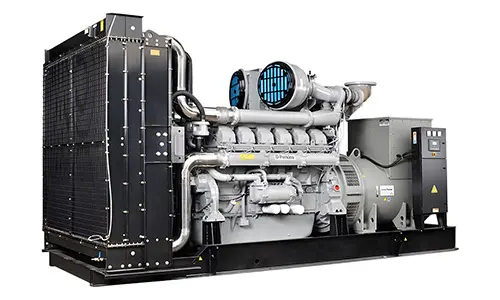

Residential backup power demand continues to grow, with Statista’s 2026 Home Energy Report noting an 8% annual increase in home generator installations. This trend reflects rising concerns about grid reliability and extreme weather events. This article outlines a data - driven approach to sizing a silent diesel generator for home use, covering load calculation, technical considerations, and market - relevant selection factors.
Industry Landscape: Home Generator Capacity Trends in 2026
The demand for home diesel generator capacities is evolving, driven by changes in household energy needs and regulatory standards. According to the National Fire Protection Association (NFPA) 110 - 2026, the typical capacity range for home standby generators has expanded from 5–10 kW (2020) to 7–15 kW (2026). This shift is largely due to the growing use of high - power appliances such as heat pumps and electric vehicle chargers.
1. Building Code and Noise Regulations
Most residential areas enforce strict noise limits (e.g., 55–65 dB(A) at 7 meters, per local building codes like California’s Title 24). These regulations have led to the development of quiet generator models with advanced sound - dampening enclosures, ensuring compliance while minimizing disruption to neighbors.
2. Technical Specification Shifts
Third - party market analysis (e.g., from PowerTech Research 2026) shows that the demand for home diesel generators in the 7–12 kW range has grown by 22% year - over - year. This aligns with the U.S. Department of Energy’s data on rising household peak demand (up 15% since 2020) due to the increasing adoption of smart home devices and electric heating systems.
3. Market Data on Home Generator Capacities
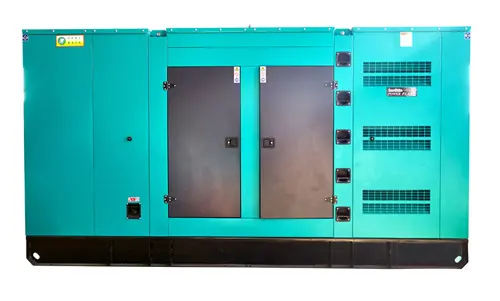
Statista’s 2026 Home Backup Power Report reveals that 62% of new home generator installations fall within the 7–12 kW range, with 30% in the 12–15 kW segment. This indicates a trend toward “future - proofing” systems to accommodate evolving energy needs, such as adding electric vehicle chargers or home energy storage.
Technical Reference: Step - by - Step Sizing Process
Sizing a home diesel generator requires a systematic approach based on electrical engineering principles and industry best practices.
1. Calculate Critical Loads
List the wattage of essential appliances (e.g., refrigerator: 800W, well pump: 1,500W, HVAC: 3,000W, lighting: 500W) and sum their running watts. For example, a typical home’s essential loads might total 800 + 1,500 + 3,000 + 500 = 5,800W (5.8 kW).
2. Account for Starting Surge
Motor - driven loads (e.g., HVAC, pumps) require 2–3x their running wattage during startup (per NEC Article 445). Using the example above, the HVAC’s startup wattage (3,000W × 3 = 9,000W) becomes the peak demand. Total peak load: 800 + 1,500 + 9,000 + 500 = 11,800W (11.8 kW).
3. Add Future Capacity Buffer
Industry recommendations (per ASHRAE 2026) suggest a 20% buffer for future loads (e.g., adding an EV charger). For 11.8 kW, a 20% buffer (11.8 × 1.2 = 14.16 kW) means a 15 kW generator would be optimal.
Note: These calculations assume standard household voltage (120/240V) and ambient conditions (25°C, sea level). Actual performance may vary based on installation altitude, temperature, and appliance efficiency.
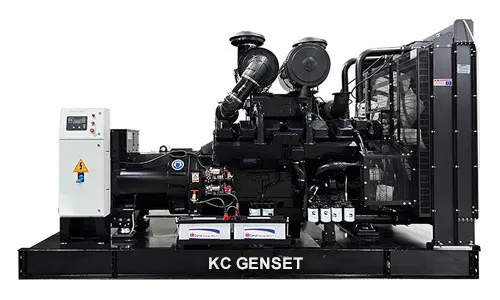
Selection Reference: Key Factors for Home Use
Critical Considerations
Load Type and Quantity: Prioritize critical loads (e.g., medical devices, refrigeration) and account for their combined wattage, including startup surges.Noise and Emission Standards: Verify the generator meets local noise limits (e.g., 60 dB(A) at 7 meters) and emission regulations (e.g., EPA Tier 3 for home generators).
Scenario - Based Recommendations
Typical Home Backup (Essential Loads Only): For loads like a refrigerator, lights, and a well pump, a 7–10 kWsilent diesel generator for home is sufficient. Whole - Home Backup (Including HVAC): A 10–15 kW unit is recommended, with a 20% buffer for future electrical needs (e.g., adding an EV charger).
Use a load calculator or consult a licensed electrician to finalize your requirements. A properly sized silent diesel generator for home ensures reliable power without unnecessary expense or inefficiency, while meeting noise and safety standards for residential use.