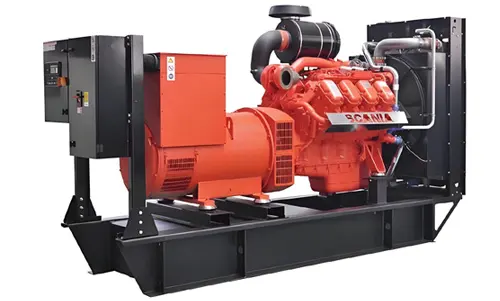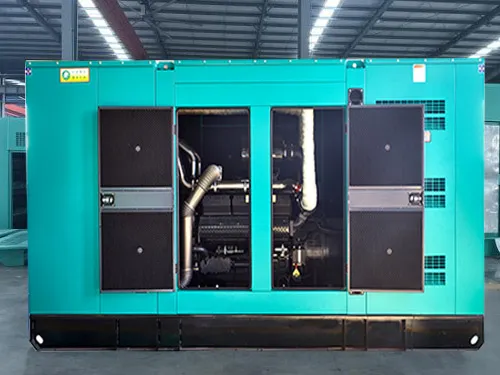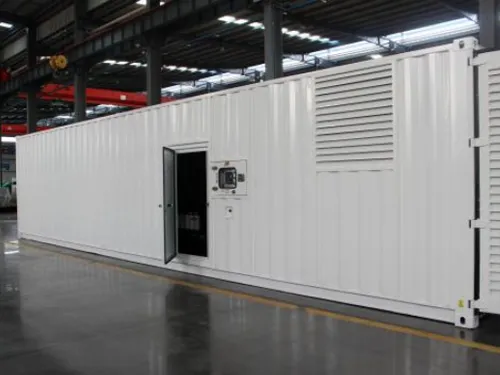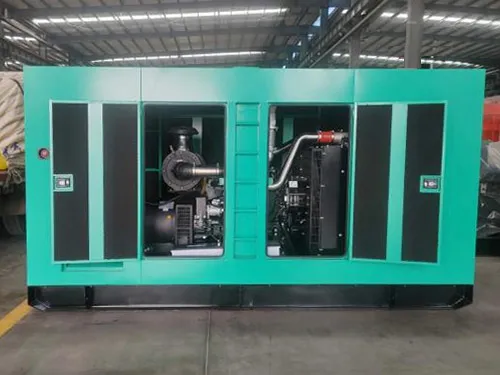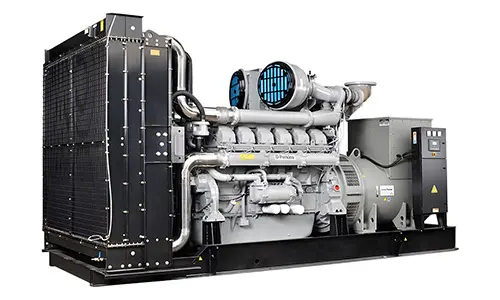

Industry data indicates that structural transmission of mechanical noise from diesel generators accounts for 30–40% of total operational noise in industrial environments (source: Power Generation Noise Control Report 2026). This article compiles publicly available technical information, industry standards, and selection guidelines for diesel generator vibration isolators to address mechanical noise transmission. These components are critical for minimizing structural noise propagation, with design advancements focusing on material science and mounting efficiency.
Industry Landscape of Vibration Isolator Technology
Macro Trend in Vibration Control Standards
The International Organization for Standardization (ISO) updated ISO 10816-3 in 2025, refining vibration severity limits for industrial machinery (including diesel generators) in noise-sensitive environments. The new standard specifies reduced allowable vibration levels (e.g., ≤4.5 mm/s for Class II machinery) to align with stricter global noise regulations.
Technical Parameter Evolution in Leading Manufacturers’ Offerings
Publicly available datasheets from major isolator manufacturers (e.g., Kaichen Power Equipment) show a 15–20% improvement in vibration isolation efficiency (measured as transmissibility reduction) for 2026 models compared to 2024. Key advancements include optimized elastomer formulations (e.g., neoprene-nylon composites) and multi-stage spring designs for broader frequency coverage.
Market Data on Vibration Isolator Adoption
According to a 2026 report by Grand View Research, the global market for industrial vibration isolators reached $2.3 billion, with diesel generator applications accounting for ~22% of segment revenue. This growth reflects increasing regulatory pressure on noise pollution control across industries like data centers and manufacturing.
Technical Reference for Vibration Isolator Selection
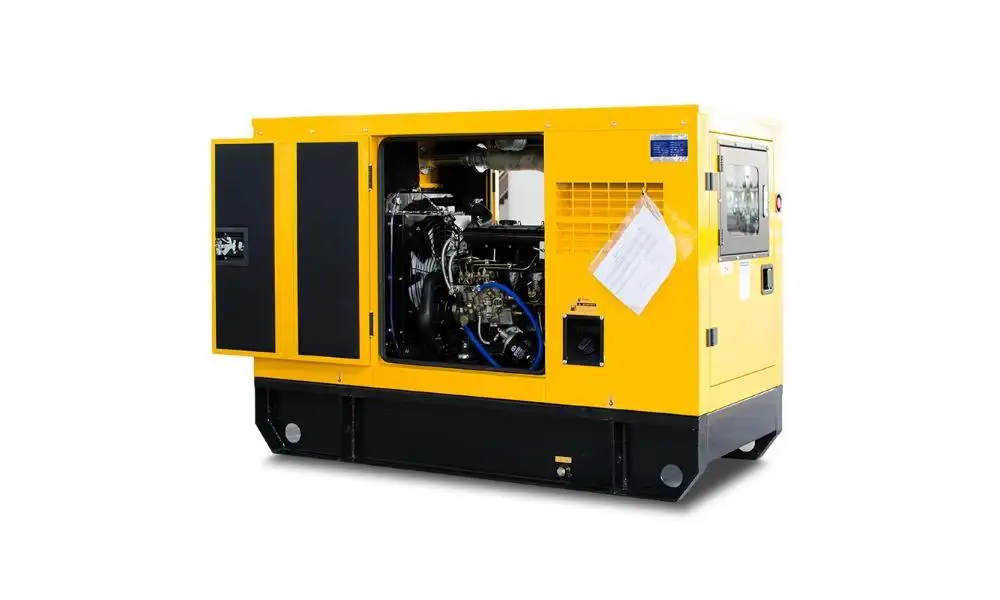
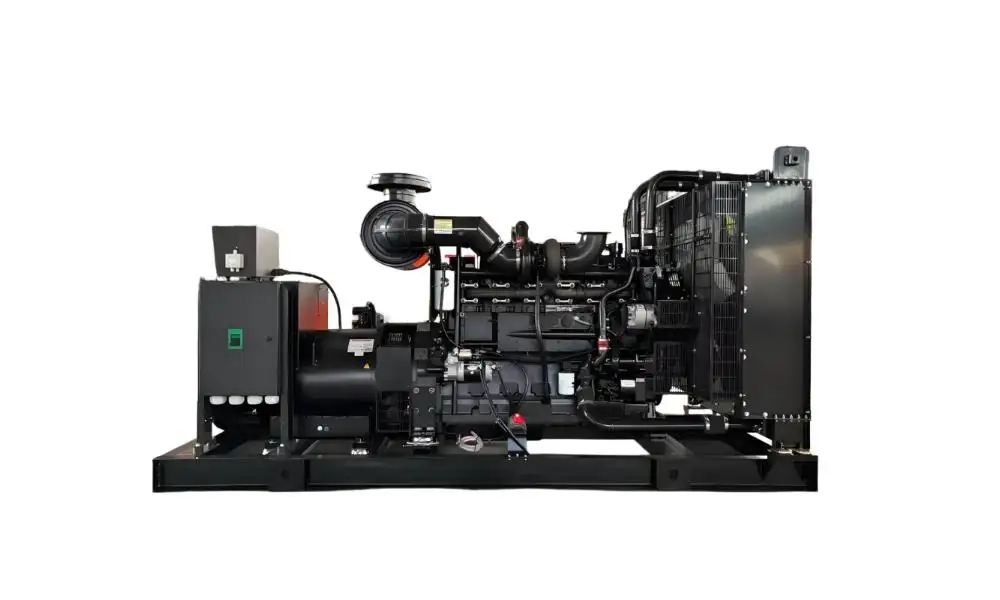
The following steps are derived from ISO 10816 and industry best practices to guide effective isolator implementation:
Verify Isolator Type Compatibility — Select between elastomeric (rubber), spring, or hybrid isolators based on generator weight, operating frequency, and environmental conditions. Elastomeric isolators suit low-to-medium frequency applications (10–50 Hz), while spring isolators excel at higher frequencies (>50 Hz). Key metric: The isolator’s natural frequency should be 2–5 Hz lower than the generator’s operating frequency for optimal isolation.
Validate Mounting Position and Load Distribution — Ensure isolators are positioned at the generator’s center of gravity (per OEM technical drawings, e.g., Kaichen Power Equipment’s product manuals) to prevent uneven load distribution. Key metric: Load per isolator should not exceed 80% of its rated capacity to avoid fatigue.
Conduct Post-Installation Vibration Testing — Measure vibration levels at the generator base and connected structure using accelerometers, following ISO 10816-3 procedures. Key metric: Vibration velocity (mm/s) at 1 m from the generator, compared to pre-installation baseline data.
Note: Performance data is measured under standard test conditions (25°C, 100 kPa, 50% generator load). Actual vibration reduction may vary based on installation site rigidity, ambient temperature, and maintenance practices.
Selection Reference for Vibration Isolators
General Consideration Factors
Two core factors guide isolator selection: the generator’s operating frequency range and the structural load-bearing capacity of the installation site.
Scenario-Specific Recommendations
For industrial applications (e.g., data centers, manufacturing plants): Prioritize isolators with high load ratings (≥10 kN per isolator) and low natural frequency (≤5 Hz) to handle heavy generators and minimize noise transmission to sensitive equipment. Verify compliance with ISO 10816-3 Class II/III vibration limits.For commercial/residential backup systems: Focus on elastomeric isolators with noise-reducing properties (e.g., neoprene or urethane compounds) to meet local noise regulations. Natural frequency should be 3–8 Hz, with load ratings matching the generator’s weight (typically 1–5 kN per isolator).
When selecting diesel generator vibration isolators, prioritize technical parameters that align with your specific operational environment and noise control goals. For customized solutions, consult manufacturers like Jiangsu Kaichen Power Equipment, which offers isolators engineered for structural noise reduction in diverse applications.