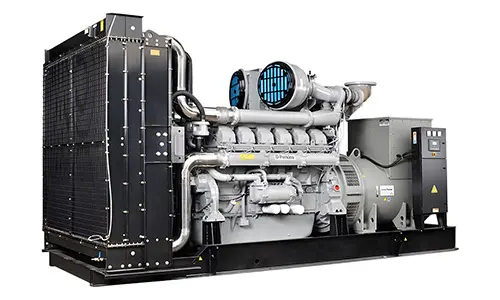


Industry data from power equipment maintenance reports (e.g., records from ISO 8528 - compliant service providers) indicate that black exhaust smoke remains a common issue in diesel generator operations. This article compiles publicly available technical documentation and industry observations to outline potential causes and diagnostic approaches for this phenomenon. Black smoke from a diesel generator typically relates to incomplete combustion processes, which can stem from multiple interrelated factors.
Industry Context: Black Smoke Trends in Diesel Generators
With the implementation of stricter emission standards (e.g., EPA Tier 4, EU Stage V), modern diesel generators are engineered to minimize visible smoke. However, legacy equipment or units operating outside optimal conditions still face higher risks of black smoke production.
1. Fuel Quality Deviations
According to ASTM D975 standards for diesel fuel, deviations in sulfur content, viscosity, or contamination levels can disrupt combustion. For instance, fuel with excessive water content (above 500 ppm, per ISO 4259) can cause uneven burning, leading to black smoke. Poor - quality fuel (e.g., off - specification diesel from unregulated suppliers) is a frequent contributor to incomplete combustion.
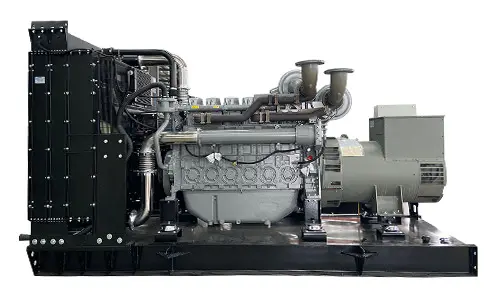
2. Air Supply Deficiencies
Publicly available technical manuals (e.g., from Cummins, Perkins) note that a clogged air filter or restricted intake can reduce oxygen supply to the engine. A 20% reduction in airflow (measured against the engine’s rated air requirement) is often sufficient to trigger incomplete combustion, visible as black smoke. In dusty environments (e.g., construction sites, mining operations), air filter clogs occur more frequently, exacerbating this issue.
3. Engine Component Wear
Over time, components like injectors, pistons, or turbochargers may degrade. For example, a faulty fuel injector (delivering fuel outside the optimal spray pattern) can cause fuel to accumulate in the combustion chamber, burning incompletely. Industry surveys show that injector - related issues account for ~30% of black smoke complaints in generators older than 5 years. Worn piston rings or a malfunctioning turbocharger can also reduce combustion efficiency.
Technical Diagnostic Steps for Black Smoke Issues
The following diagnostic steps are based on engineering principles and OEM - recommended practices for diesel generator maintenance:
Inspect Fuel System Integrity
Verify fuel quality against ASTM D975 or local standards. Use a fuel test kit (e.g., water - sensing paste, electronic tester) to check for water contamination. If contamination is detected, drain the fuel tank and replace the fuel with clean, specification - compliant diesel. Additionally, inspect fuel lines for blockages or leaks that could disrupt fuel delivery.
Evaluate Air Intake System
Examine the air filter for clogs, damage, or excessive dirt buildup. Measure airflow resistance using a manometer (target: < 1.5 kPa at rated engine speed, per OEM guidelines). Replace or clean the filter if resistance exceeds limits. In environments with high particulate levels, consider upgrading to a high - efficiency air filtration system.
Assess Fuel Injection Components
Inspect injectors for proper spray pattern (using a test bench or diagnostic tool). A faulty injector may require cleaning, calibration, or replacement. Additionally, check the injection pump timing (adjust if outside the manufacturer’s specified range, e.g., ±2° crankshaft angle for many diesel engines). For turbocharged engines, verify the turbocharger’s boost pressure to ensure adequate air - fuel mixing.
Prevention & Selection Recommendations
To minimize the risk of black smoke, consider these factors when selecting or maintaining a diesel generator:
For Industrial Applications: Prioritize generators with advanced fuel filtration systems (e.g., dual - stage filters) and electronic fuel injection (EFI) technology, which helps maintain precise fuel delivery. Verify compliance with current emission standards (e.g., EPA Tier 4 Final, EU Stage V) to ensure optimized combustion design.For Standby Power (e.g., Data Centers, Hospitals): Select units with integrated air intake monitoring systems (e.g., differential pressure sensors) to detect airflow restrictions early. Opt for generators with robust maintenance tracking capabilities (e.g., digital logs for filter changes, fuel quality checks).
Routine maintenance, including fuel system cleaning, air filter replacement, and injector calibration, remains critical to preventing black smoke. When evaluating diesel generators, prioritize models with design features that support clean combustion and easy diagnostic access.
Image Alt Text Recommendations (for on - page visuals)
“Diesel generator black smoke troubleshooting - fuel system inspection”“Diesel generator air intake system maintenance for smoke reduction”
(All technical data and recommendations are subject to variation based on generator model, operating conditions, and fuel quality. Actual performance may differ according to specific use cases.)