
Executive Summary: The Critical Shift in Philippine Power Resilience
The Philippines faces a unique energy paradox. As a rapidly growing economy with booming sectors in BPO (Business Process Outsourcing), semiconductor manufacturing, and tourism, the demand for uninterrupted power is absolute. Yet, the nation’s grid remains vulnerable to extreme weather events (typhoons), geological activity, and aging infrastructure, leading to frequent brownouts and voltage fluctuations.
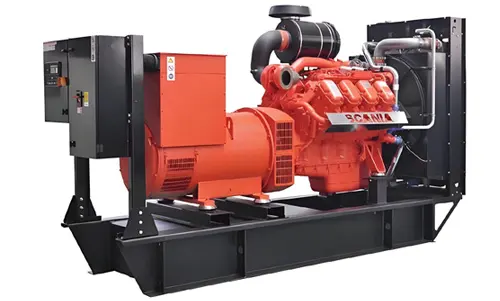
Historically, Filipino businesses relied on loud, open-frame diesel generators. However, this approach is becoming unsustainable due to two converging factors:
Environmental Regulation: Stricter enforcement of Presidential Decree No. 1152 (Philippine Environment Code) and local government unit (LGU) noise ordinances in dense urban centers like Metro Manila, Cebu City, and Davao.
Operational Reality: The need for generators that can withstand high-salinity coastal air, tropical humidity, and flash floods without failing.
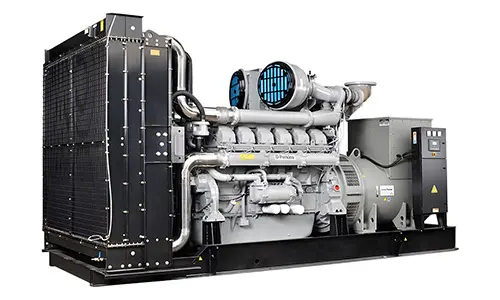
This article summarizes how Silent Generators (Quiet Gensets) have evolved from a luxury amenity into a critical industrial necessity for the Philippines. By integrating advanced acoustic engineering with tropical-hardened durability, these units solve the dual crisis of regulatory compliance and climate resilience, ensuring that Philippine industries can operate continuously, regardless of external chaos.
1. The Philippine Context: Why "Loud" is No Longer an Option
To understand the value of a silent generator, one must analyze the specific failures of traditional units in the Philippine setting:
The Urban Squeeze: In Metro Manila and Cebu, industrial zones are increasingly surrounded by residential condominiums and commercial hubs. A standard 85+ dB(A) generator triggers immediate complaints, leading to LGU-issued cease-and-desist orders that halt production.
The Typhoon Factor: The Philippines averages 20 typhoons annually. Standard generators often suffer from water ingress during heavy rains or fail to start due to moisture-induced electrical shorts after long periods of idleness.
The Salinity Challenge: As an archipelago, salt spray corrodes standard steel enclosures rapidly, especially in port areas (e.g., Subic, Batangas) and island resorts (e.g., Boracay, Palawan), leading to premature equipment failure.
The Core Insight: For Philippine businesses, a generator that is loud or prone to rust is not just an inconvenience; it is a single point of failure that threatens legal standing and operational survival.
2. The Silent Generator Solution: Engineered for the Archipelago
A true Silent Generator for the Philippines is defined by three engineering pillars that directly address local vulnerabilities:
A. Acoustic Compliance & Community Harmony
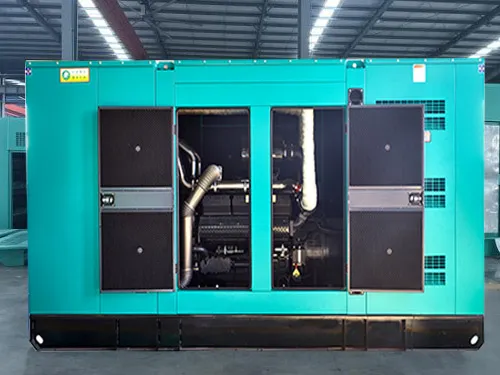
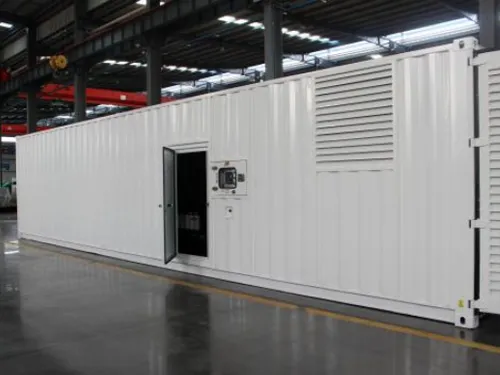
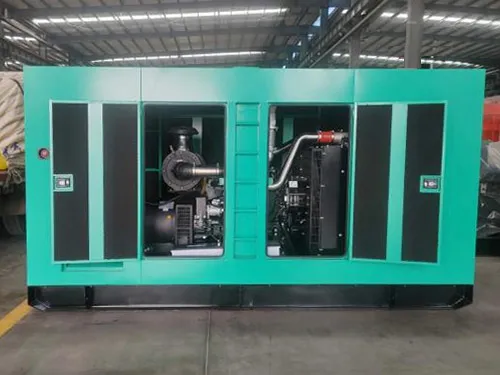
Two-Stage Silencing Technology: Utilizing high-density acoustic foam and resonator-based exhaust mufflers, modern quiet gensets reduce noise output to 60-65 dB(A) at 1 meter. This is comparable to normal conversation levels.
Labyrinth Airflow Design: Specialized intake and exhaust ducts muffle engine noise while maintaining optimal cooling, crucial for operating in the Philippines’ high ambient temperatures (35°C+) without overheating.
Impact: Facilities can operate 24/7 in mixed-use zones (common in BGC, Makati, and IT parks) without violating DENR Administrative Order 2000-81 (Noise Standards) or disturbing neighbors.
B. Tropical & Coastal Hardening
Corrosion Resistance: Premium silent gensets feature canopies made of 2mm cold-rolled steel with marine-grade epoxy powder coating and 304 Stainless Steel hardware (hinges, locks). This creates an impenetrable barrier against the salty, humid air that destroys standard units in coastal provinces.
Anti-Condensation Heaters: Internal thermostatically controlled heaters prevent moisture buildup on windings during idle periods. This ensures reliable startups even after weeks of grid stability—a critical feature for hospitals and data centers facing sudden typhoon-induced outages.
IP54+ Weatherproofing: Sealed joints and elevated designs protect critical components from flash floods and torrential monsoon rains.
C. Fuel Efficiency & Grid Independence
Smart Load Management: Digital controllers optimize fuel injection based on real-time load, preventing "wet stacking" (unburnt fuel) common in generators running at low loads. This is vital given the volatility of diesel prices in the Philippines.
Voltage Stability: Advanced AVR (Automatic Voltage Regulation) systems protect sensitive electronics (servers, CNC machines) from the frequent voltage sags and spikes characteristic of the local grid.
3. Industry Impact: Transforming Key Philippine Sectors
The adoption of silent generator technology provides transformative benefits across the nation’s most vital industries:
🏢 BPO & IT Parks (Metro Manila, Cebu, Davao)
The Need: 100% uptime for voice/data operations; strict noise control in high-rise buildings and business districts.
The Solution: Silent gensets allow for installation in basements or rooftop terraces of office towers without violating building codes or disturbing tenants. They provide seamless switchover (<10 seconds), ensuring call centers never drop a call during a brownout.
🏭 Manufacturing & Semiconductors (Laguna, Cavite, Clark)
The Need: Protection against voltage fluctuations that ruin sensitive production lines; operation in industrial estates bordering residential areas.
The Solution: By eliminating noise violations, factories avoid shutdowns. The corrosion-resistant build ensures longevity in the humid lowlands, reducing maintenance downtime and protecting multi-million dollar production batches.
🏨 Tourism & Resorts (Boracay, Palawan, Siargao)
The Need: Uninterrupted power for guest comfort; preservation of the "tranquil island" brand image.
The Solution: A roaring generator destroys the resort experience. Silent gensets ensure backup power is invisible to guests, maintaining 5-star ratings. Their salt-proof construction is essential for survival in beachfront locations.
🏥 Healthcare & Critical Infrastructure
The Need: Absolute reliability during emergencies (typhoons, earthquakes); operation in densely populated city centers.
The Solution: Anti-condensation features guarantee startup reliability during critical moments. Low noise ensures patient recovery is not compromised during prolonged outages.
🛒 Retail & Malls (Nationwide)
The Need: Continuous power for HVAC, lighting, and elevators during peak hours; customer comfort.
The Solution: Silent operation prevents customer discomfort and panic during grid failures, allowing malls to remain open and safe even when the national grid fails.
4. Economic & Regulatory ROI
Investing in a Silent Generator offers a compelling Return on Investment (ROI) for Philippine businesses:
Regulatory Safety: Full compliance with DENR and LGU noise ordinances eliminates the risk of fines, legal battles, and forced shutdowns.
Asset Longevity: Tropical-proofing (anti-rust, anti-moisture) extends the generator's lifespan by 2-3x compared to standard units, significantly lowering Total Cost of Ownership (TCO).
Operational Continuity: Reliable power prevents revenue loss from production halts, data corruption, or mall closures during frequent brownouts.
Brand Reputation: For hotels and BPOs, maintaining a quiet, professional environment protects brand equity and client retention.
5. Conclusion: Silence as a Strategic Asset
The Philippines’ path to economic resilience requires infrastructure that can withstand the twin challenges of a volatile climate and dense urbanization. The era of accepting loud, rust-prone, and unreliable generators is over.
In an archipelago prone to typhoons and grid instability, the Silent Generator has emerged as the definitive solution. It solves the climate challenge through superior corrosion and moisture protection. It solves the regulatory challenge through advanced acoustic engineering. And most importantly, it solves the business challenge by ensuring uninterrupted productivity in the face of adversity.
For Philippine industries—from the skyscrapers of BGC to the beaches of Palawan—adopting quiet genset technology is no longer optional. It is the strategic imperative for sustainable, compliant, and resilient growth. By choosing silence, Filipino businesses choose reliability.