
Executive Summary
Thailand’s economy rests on two pillars: world-class manufacturing (automotive, electronics) and global tourism. Both sectors face a critical vulnerability: grid instability caused by peak demand surges and seasonal monsoons. Historically, businesses relied on loud, open-frame diesel generators. However, in modern Thailand, this approach is failing. Stricter enforcement by the Pollution Control Department (PCD), rising urban density in Bangkok and Chonburi, and the high expectations of tourists in Phuket and Samui have made noise a liability.
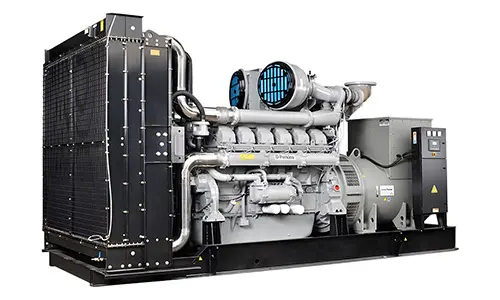
This article summarizes how Silent Generators (Quiet Gensets) are no longer just an accessory but a core strategic solution for Thai industries. By organizing our analysis around the key themes of Regulatory Compliance, Tropical Durability, and Sector-Specific Reliability, we demonstrate how silent power solutions directly address local pain points, ensuring business continuity while preserving Thailand’s reputation for hospitality and industrial efficiency.
1. Keyword: Regulatory Compliance (The Legal Shield)
The Local Challenge:
Thailand has tightened its environmental laws under the Enhancement and Conservation of National Environmental Quality Act. In mixed-use zones—where factories in Rayong border housing, or hotels in Pattaya sit next to condos—noise complaints can lead to immediate cease-and-desist orders from local municipalities. The standard limit often hovers around 70 dB(A), which traditional generators easily exceed.
The Silent Generator Solution:
Acoustic Engineering: Modern quiet gensets utilize multi-layer sound attenuation (high-density foam + resonator mufflers) to drop noise levels to 60-65 dB(A) at 1 meter.
Business Impact: This ensures full compliance with PCD regulations, eliminating the risk of fines, legal battles, or forced shutdowns. It grants businesses the "Social License to Operate" in dense urban and semi-urban areas, allowing 24/7 production without disturbing the community.
2. Keyword: Tropical Durability (The Climate Shield)
The Local Challenge:
Thailand’s climate is unforgiving: 90%+ humidity, temperatures soaring above 35°C, and the annual monsoon season bringing flash floods. Standard generators suffer from rapid corrosion (especially in coastal zones like Laem Chabang), condensation-induced electrical shorts, and water ingress during heavy rains.
The Silent Generator Solution:
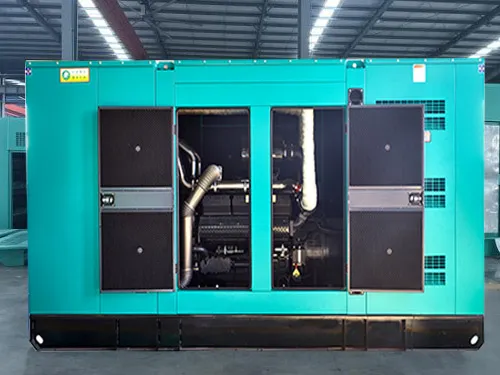
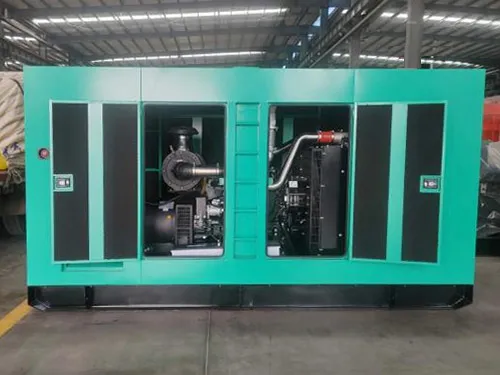
Marine-Grade Protection: Silent generators feature canopies made of 2mm cold-rolled steel with epoxy powder coating and 304 Stainless Steel hardware, creating a rust-proof barrier against salt spray and humidity.
Anti-Condensation Tech: Integrated space heaters keep windings dry during idle periods, guaranteeing a successful start even after weeks of inactivity.
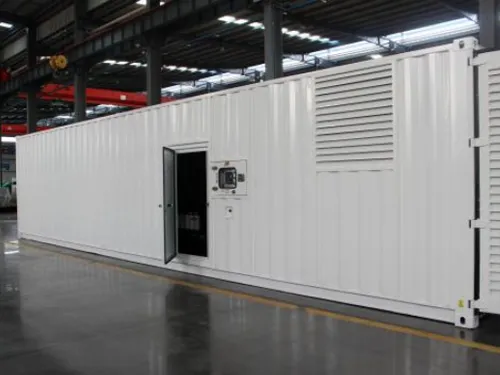
Flood Resilience: IP54+ rated enclosures with elevated base frames prevent water ingress during monsoon floods, ensuring the unit works precisely when the grid fails.
3. Keyword: Tourism Integrity (The Brand Shield)
The Local Challenge:
For Thailand’s hospitality sector, ambiance is the product. A roaring generator ruins the serene experience of a luxury resort in Koh Samui or a boutique hotel in Chiang Mai. Noise complaints from guests lead to negative reviews, lower occupancy rates, and damaged brand reputation.
The Silent Generator Solution:
Invisible Power: Quiet gensets operate at conversation levels, making backup power undetectable to guests.
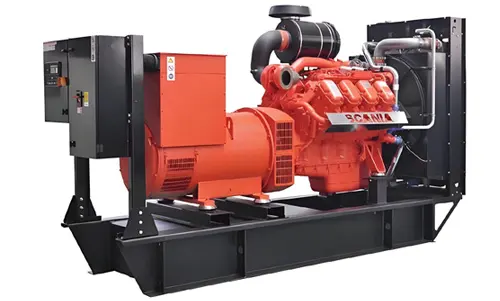
Business Impact: This preserves the "tranquil" brand promise of Thai tourism. Hotels can maintain 5-star standards during blackouts, protecting revenue and guest loyalty. The aesthetic design of silent canopies also blends seamlessly into tropical landscaping, unlike industrial open-frame units.
4. Keyword: Industrial Precision (The Production Shield)
The Local Challenge:
Thailand is the "Detroit of Asia" and a hub for electronics. Manufacturing lines in Ayutthaya and Chonburi rely on sensitive robotics and CNC machines that cannot tolerate voltage sags or frequency dips. Furthermore, industrial estates are increasingly surrounded by residential areas, making noise an operational bottleneck.
The Silent Generator Solution:
Stable Power Quality: Advanced AVR (Automatic Voltage Regulation) in silent units provides clean, stable power, preventing costly production errors or equipment damage.
Shift Flexibility: Low noise allows factories to run night shifts without triggering neighborhood complaints, maximizing asset utilization and meeting tight export deadlines.
5. Keyword: Economic Efficiency (The ROI Shield)
The Local Challenge:
With fluctuating diesel prices and high maintenance costs due to climate wear, the Total Cost of Ownership (TCO) for standard generators is rising. Frequent breakdowns and short lifespans drain capital.
The Silent Generator Solution:
Fuel Optimization: Smart controllers in silent generators adjust fuel injection based on load, reducing consumption and preventing "wet stacking."
Longevity: The superior corrosion protection extends the equipment lifespan by 2-3 years compared to standard units in Thai conditions, significantly lowering long-term CAPEX and OPEX.
Conclusion: Silence is the New Standard for Thailand
The narrative for backup power in Thailand has shifted. It is no longer about simply "having electricity"; it is about having electricity that is compliant, resilient, and harmonious.
For Regulators: Silent generators represent compliance and environmental responsibility.
For Engineers: They represent durability against humidity and floods.
For Business Owners: They represent uninterrupted revenue and brand protection.
By adopting Silent Generator technology, Thai industries—from the automotive giants of the Eastern Economic Corridor (EEC) to the resorts of the Andaman Sea—are future-proofing their operations. In a country where "sanuk" (fun) and harmony are cultural cornerstones, the quiet genset is the only logical choice to power progress without disrupting the peace.