
Introduction
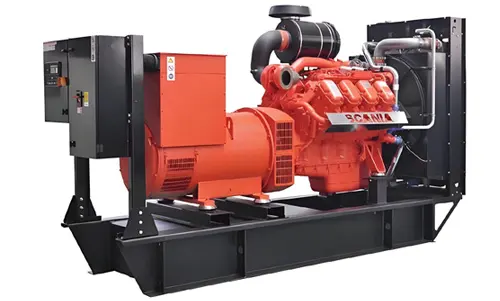
According to the Associated General Contractors of America (AGC) 2026 Field Practices Report, over 85% of construction sites rely on portable power solutions to operate tools, machinery, and temporary facilities—especially in remote or grid - inaccessible areas. Portable diesel generators are a cornerstone of on - site power, delivering the flexibility to run equipment across excavation, structural, and finishing phases. This article outlines the typical tools, machinery, and systems a portable diesel generator can power, based on industry standards and technical specifications.
Industry Landscape: Power Demands in Construction
Construction projects—from residential builds to large - scale infrastructure—depend on portable power for efficiency and productivity. The U.S. Department of Energy’s 2025 Construction Energy Use Report notes that portable generators used on - site typically range from 10 kW to 100 kW (with larger projects sometimes requiring units up to 500 kW).
Power Needs by Project Phase:
Excavation & Foundation Work: Hydraulic excavators (needing 15–30 kW for starting and 10–20 kW for continuous operation) and concrete mixers (5–15 kW) rely on generator power in areas without grid access.Structural Construction: Tower cranes (30–50 kW continuous power) and welding machines (5–15 kW) use portable generators for mobility, especially in multi - level builds.
Finishing & Interior Work: Light tools like circular saws (1–3 kW), air compressors (3–10 kW), and LED site lighting (0.5–5 kW per fixture) are commonly powered by portable units.
Temporary Site Facilities:
Portable generators also energize temporary offices, worker trailers, and safety systems (e.g., security cameras, emergency lighting). A 20 - person trailer typically needs 5–10 kW to run lighting, HVAC, and office equipment.
Technical Reference: Equipment Compatibility by Power Rating
A portable diesel generator’s output (measured in kilowatts, kW) dictates which tools and machinery it can support. Generators are rated for continuous power (steady operation) and peak power (to handle motor startup surges, typically 2–3 times the running wattage).
1. Small Generators (10–20 kW):
Ideal for light - duty tasks:
Temporary systems: A 10 kW unit can run a 10 - person trailer (lighting + HVAC) or 2–3 tools simultaneously.
2. Mid - Sized Generators (30–50 kW):
Suitable for medium - duty equipment:
Machinery: Small excavators (15–30 kW) or concrete pumps (10–20 kW).Multi - tool setups: A 30 kW generator can power a saw, compressor, and lighting, or a 20 - person trailer with HVAC.
3. Large Generators (50–100+ kW):
Designed for heavy - duty needs:
Heavy machinery: Tower cranes (30–50 kW) or welding stations (10–20 kW).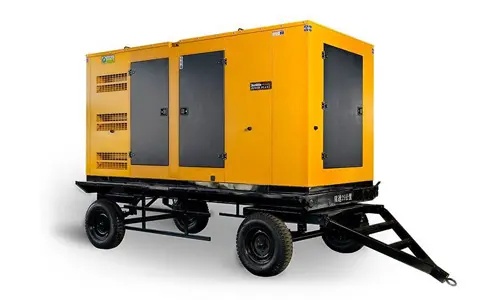
Selection Reference: Choosing the Right Generator
To ensure compatibility, match the generator’s capacity to your equipment’s power demands:
Key Considerations:
Starting vs. Running Power: Electric motors (e.g., compressors, pumps) need 2–3 times their running wattage to start. Ensure the generator’s peak power exceeds the total startup load.Fuel Efficiency: Diesel generators offer 8–24 hours of runtime per tank—critical for extended site work.
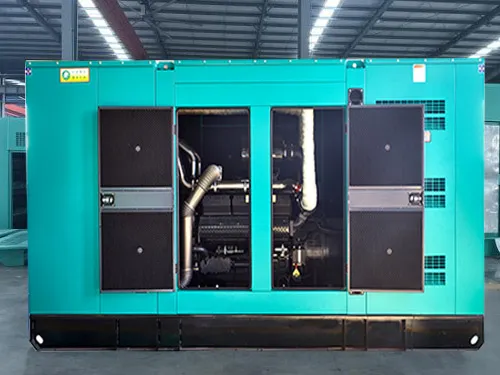
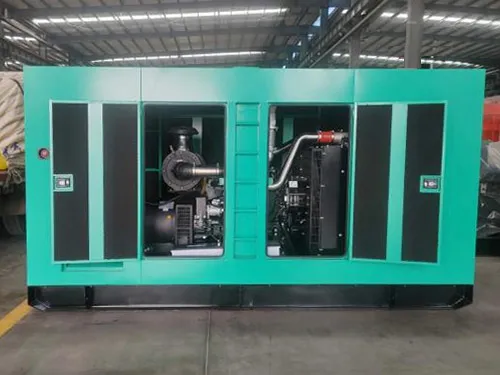
Regulatory Compliance: Choose models with sound - dampening enclosures (e.g.,
silent portable diesel generator) and Tier 4/EU Stage V emissions compliance to meet job site noise and environmental rules. Project - Specific Recommendations:
Small - Scale Projects (Residential/ Light Commercial): A 10–20 kW generator works for tools, lighting, and a small office.Medium - Scale Projects (Commercial/ Industrial): A 30–50 kW unit supports heavier machinery (e.g., excavators) and multiple tools.
Large - Scale Projects (Infrastructure/ High - Rise): A 50+ kW generator is necessary for site - wide power, including cranes, temporary facilities, and safety systems.
Portable diesel generators from manufacturers like [Ltd] (e.g., Kacen Power) offer durable, efficient power for construction sites. Always verify equipment power requirements (starting and running watts) and choose a generator with a continuous rating 20–30% higher than the total load to ensure reliability.