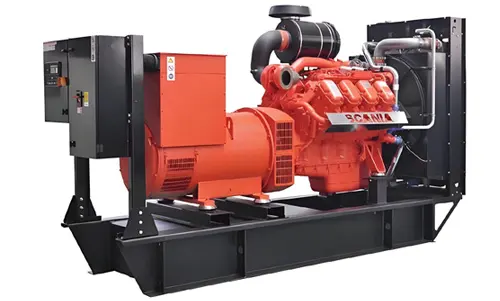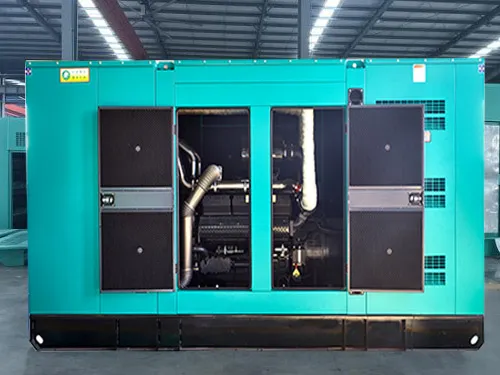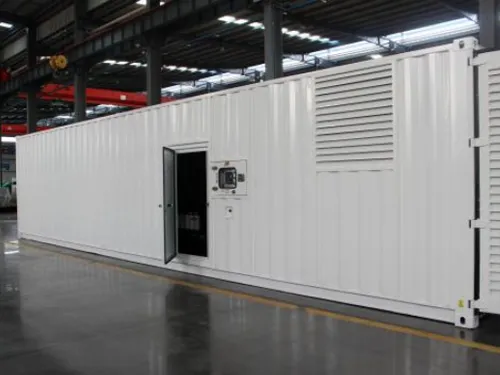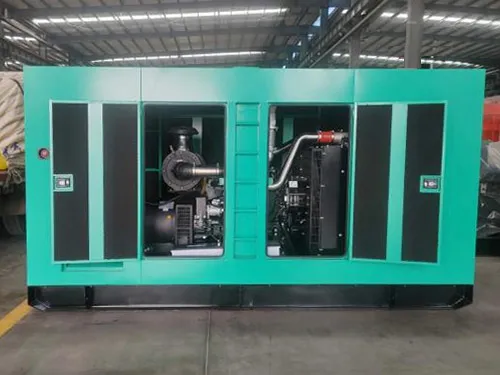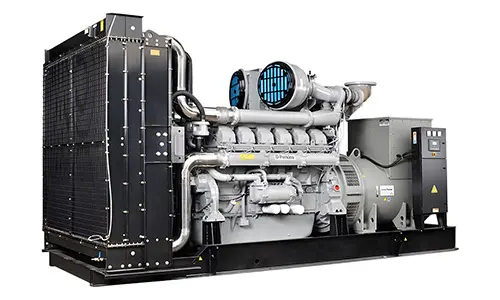

Industry data from the Power Equipment Trade Association (PETRA) 2026 Q2 report indicates a 12% year - over - year increase in portable diesel generator procurement for construction job sites. This growth reflects rising demand for reliable, mobile power solutions across infrastructure projects. This article compiles publicly available technical specifications, performance data, and selection considerations for portable diesel generators, focusing on job site applicability. Key factors influencing the choice of a portable diesel generator include power output, noise control, emissions compliance, and durability under rugged conditions.
Industry Landscape of Portable Diesel Generators for Job Sites
Stringent Emissions Regulations
Global emissions standards, such as EPA Tier 4 (U.S.) and EU Stage V (Europe), now require portable diesel generators to meet stricter particulate matter and NOₓ limits. According to PETRA’s 2026 compliance report, over 65% of new models in the 10 - 50 kVA range now incorporate diesel particulate filters (DPFs) or selective catalytic reduction (SCR) systems, increasing upfront costs by 8 - 15% compared to non - compliant units.
Published Price Ranges for Portable Diesel Generators
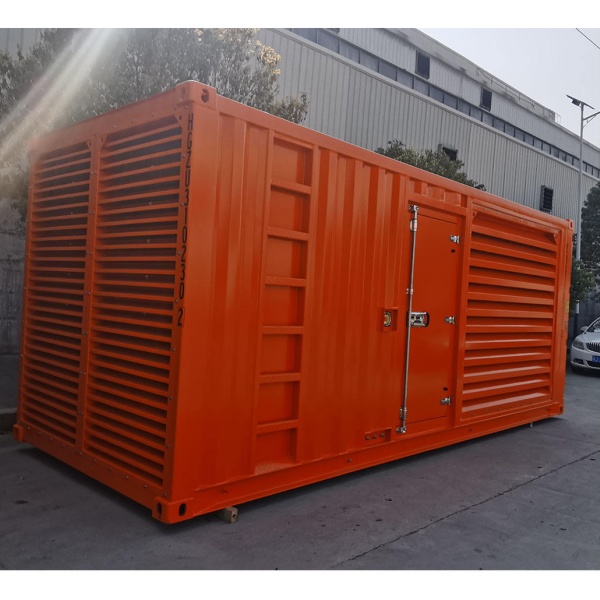
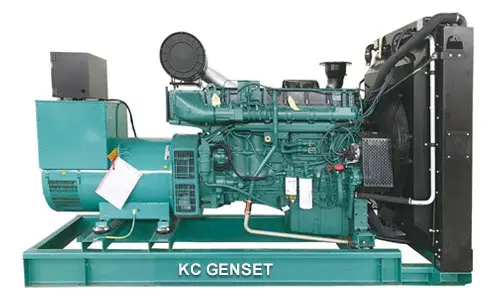
Publicly listed prices for portable diesel generators in 2026 span $3,500 - $25,000 USD, depending on power output and features. A 2026 survey by Construction Equipment Review found that a 10 kVA unit averages $4,200, while a 50 kVA model with Tier 4 compliance and soundproofing costs approximately $22,000. These prices exclude additional accessories like fuel tanks or remote monitoring systems.
Technical Parameter Trends
Job site operators increasingly prioritize noise reduction and fuel efficiency. Portable gensets now commonly feature sound - dampening enclosures, with published noise levels (measured at 7 meters, 50% load) ranging from 65 - 78 dB(A) under ISO 8528 - 10 standards. Fuel consumption for mid - range models (20 - 30 kVA) averages 0.28 - 0.35 gallons per hour at 50% load, per manufacturer data sheets.
Technical Reference for Job Site Generator Selection
The following three steps are derived from ISO 8528 standards and industry best practices for selecting a portable diesel generator.
Calculate Power Requirements
List all tools and equipment needing power (e.g., welders, air compressors, lighting) and sum their starting and running wattages. Job sites with intermittent heavy loads (e.g., concrete mixers) may require a generator with 20 - 30% extra capacity to handle surges. For example, a site with a 5 kW welder and 3 kW air compressor needs at least an 8 - 10 kVA generator (accounting for start - up spikes).
Verify Noise and Emissions Compliance
Check the generator’s noise rating against local job site regulations (e.g., urban sites often limit noise to 70 dB(A) during daytime). Ensure the unit meets regional emissions standards (e.g., EPA Tier 4 for U.S. projects, EU Stage V for European sites). Non - compliant units may face fines or project delays.
Assess Durability and Portability
Look for features like a rugged steel frame, large pneumatic tires, and a weather - resistant enclosure. A portable genset should weigh under 1,500 lbs (for 50 kVA) for manageable transport, with a fuel tank capacity of at least 8 hours at 50% load to minimize refueling interruptions.
Note: Performance data is based on 25°C ambient temperature, 100% rated load, and sea - level conditions. Actual fuel consumption and noise levels may vary based on altitude, temperature, and maintenance practices.
Selection Reference for Job Site Generators
Consider these factors based on job site size and equipment needs:
For large industrial job sites (e.g., high - rise construction): Prioritize generators with 30 - 50 kVA capacity, Tier 4/EU Stage V compliance, and remote monitoring capabilities. Verify fuel efficiency (≤0.35 gal/h at 50% load) and noise levels (≤75 dB(A) at 7 meters).For small to medium job sites (e.g., residential renovations): A 10 - 20 kVA portable diesel generator with soundproofing (≤70 dB(A)) and a compact design (≤800 lbs) is typically sufficient. Ensure it has a 4 - 6 hour fuel tank and easy - start features.
The right portable diesel generator balances power, compliance, and mobility. Evaluate publicly available specifications from generator manufacturers, focusing on load capacity, noise control, and durability to match your job site’s unique demands.