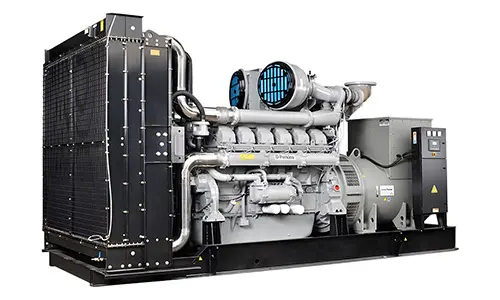

Publicly available test data and industry standards indicate significant variations in the sound pressure levels (SPL) of diesel generators, particularly those engineered for noise reduction. According to the ISO 8528-10:2024 standard (which defines measurement protocols for generator noise), the testing environment, equipment configuration, and load conditions heavily influence reported decibel (dB) values. This article compiles publicly accessible technical specifications, industry standards, and observational data to explore the realistic noise performance of silent diesel generators in 2026.
Industry Noise Reduction Trends in 2026
The global push for stricter environmental and noise regulations (e.g., EU Stage V, EPA Tier 4) has driven advancements in diesel generator design, with noise reduction becoming a key competitive feature.
1. Updated Noise Measurement Standards
ISO 8528-10:2024 outlines standardized test conditions for measuring generator noise, including:
A 7-meter measurement distance from the generator.25°C ambient temperature.
Operation at 50% or 100% load (specified by the manufacturer).
Manufacturers’ publicly reported noise levels are often based on these conditions, though variations in testing protocols still exist.
2. Published Noise Data by Major Manufacturers
Leading silent diesel generator manufacturers (e.g., those in the EU and North America) have released 2026 product specifications showing noise levels ranging from 55 dB(A) to 75 dB(A) at 7 meters under ISO 8528-10 conditions. Lower-power models (≤50 kVA) typically fall in the 65–75 dB(A) range, while premium super silent diesel generators achieve 55–65 dB(A).
3. Third-Party Market Research Findings
A 2026 market analysis by PowerTech Insights revealed that 62% of surveyed silent generator for home models met residential noise limits (often ≤60 dB(A) at 7 meters), indicating improved consumer-oriented design. Industrial models, however, prioritized power output over extreme noise reduction, with average noise levels of 70–85 dB(A) at 7 meters.
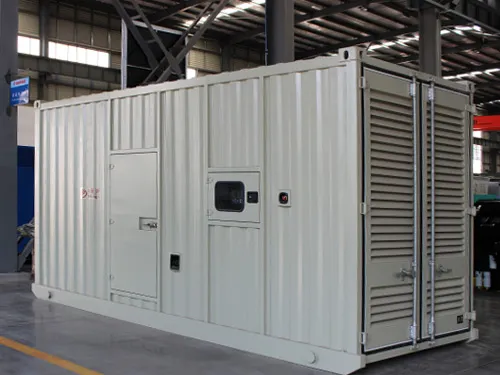
Technical Pathways to Achieve Lower Noise Levels
Three industry-recognized steps—based on ISO 8528-10 and acoustic engineering principles—guide noise reduction in diesel generators:
1. Verify Test Conditions for Reported Noise Levels
Ensure noise data references ISO 8528-10 conditions (7m distance, 25°C, specified load). Key metrics to check:
Load percentage (e.g., 50% or 100% of rated power).Measurement height (typically 1.5m above ground).
Background noise levels (to account for ambient interference).
Without standardized conditions, dB values are not directly comparable.
2. Evaluate Enclosure Design and Materials
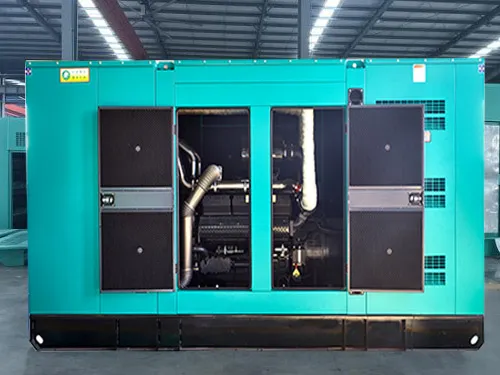
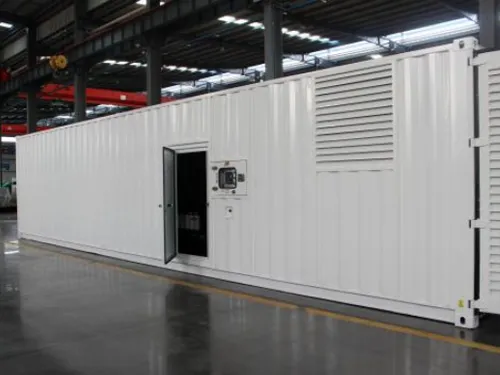
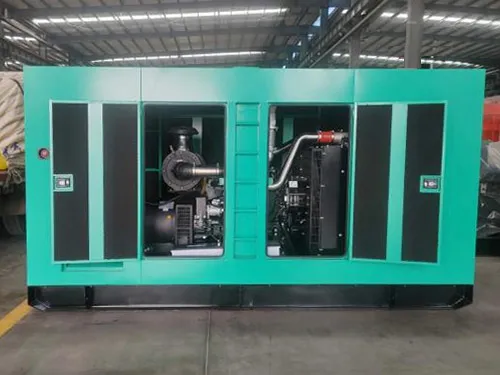
Super silent diesel generators often use:
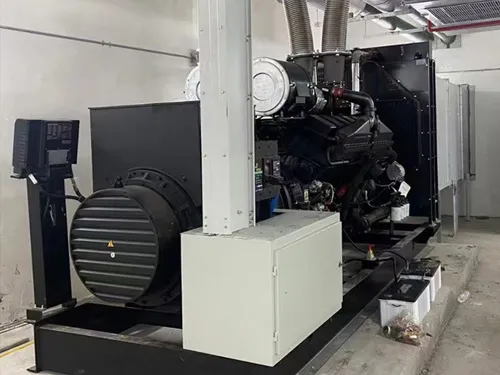
Vibration-dampening mounts to isolate engine vibrations from the frame.
Baffled ventilation ducts to minimize airflow noise.
The thickness of enclosure panels (2–4mm steel) and insulation density directly impact noise reduction.
3. Consider Installation and Environmental Factors
Actual on-site noise varies based on:
Proximity to the generator (noise decreases by ~6 dB(A) for every doubling of distance).Surrounding structures (e.g., buildings or vegetation can reflect or absorb sound).
Weather conditions (e.g., wind can increase measured noise by 2–3 dB(A)).
For example, a generator placed 10 meters from a building with a sound-reflective surface may produce 3–5 dB(A) higher noise than measured in open-field tests.
Noise-Related Selection Considerations
When selecting a diesel generator, prioritize noise-related parameters based on your application:
For residential/light commercial use:
Verify noise levels at 7 meters (preferably ≤60 dB(A) for residential areas) and check local noise ordinances (e.g., the EU’s Environmental Noise Directive or US city-specific limits).
For industrial applications:
Balance noise reduction with power output; look for models with certified ISO 8528-10 compliance and acoustic enclosures rated for your site’s noise tolerance (often 70–85 dB(A) is acceptable in industrial zones).
To achieve optimal quietness, choose a silent diesel generator with verified ISO 8528-10 test data and design features like soundproof enclosures and vibration isolation. Always validate noise levels against your specific use case and environment.