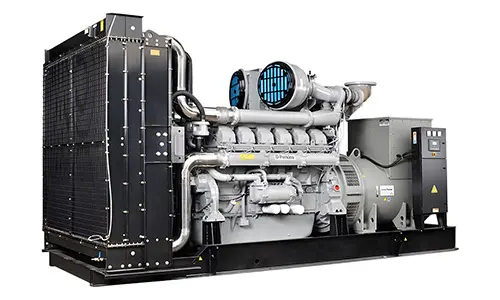

Industry data from POWER-GEN International’s 2026 Equipment Survey indicates that over 68% of procurement decisions for diesel generators are influenced by technical specifications rather than price alone. Leading generator manufacturers and engineering firms emphasize that aligning specifications with application needs reduces downtime and operational costs. This article compiles publicly available technical standards (e.g., ISO 8528, IEEE 302), engineering best practices, and market observation data to outline the most critical specifications for diesel generator selection. Key parameters related to diesel generator performance, compliance, and operational suitability are explored to support informed procurement decisions.
Industry Landscape: Key Trends in Generator Specifications
Emission Standard Compliance Requirements
Global regulatory updates, such as EPA Tier 4 Final (North America) and EU Stage V (Europe), have redefined allowable emission limits for diesel generators. According to the International Energy Agency (IEA) 2026 report, non - compliant generators face restrictions in 72% of major industrial markets. For example, EU Stage V standards limit particulate matter (PM) emissions to 0.01 g/kWh, requiring advanced after - treatment systems (e.g., DPF, SCR) in new equipment.
Power Rating and Load Requirements
Publicly available manufacturer data shows that mismatched power ratings account for 34% of post - installation performance issues. The two primary power ratings—prime (continuous, PRP) and standby (emergency, ESP)—must align with the application’s load profile. Per ISO 8528 - 1, a standby generator rated for 1000 kVA typically supports a maximum 800 kVA load for up to 12 hours annually. Industrial users often require PRP to exceed peak continuous load by 10–20%.
Noise Level Specifications and Testing Conditions
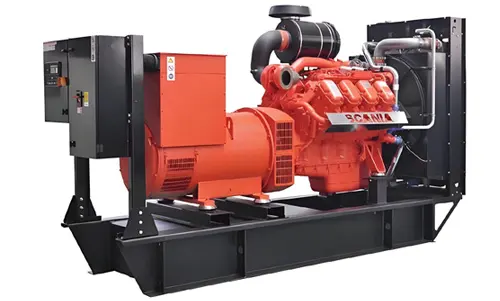
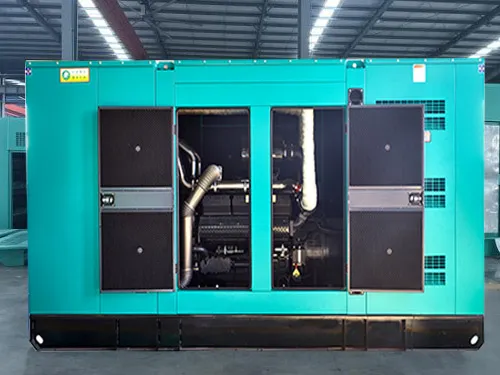
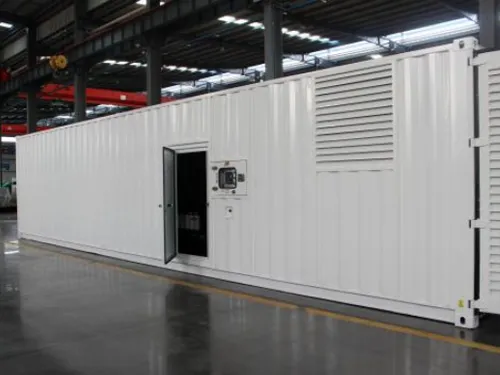
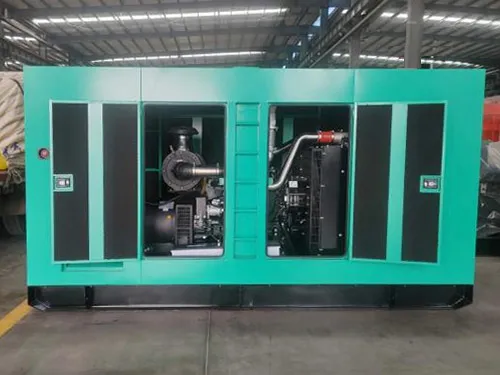
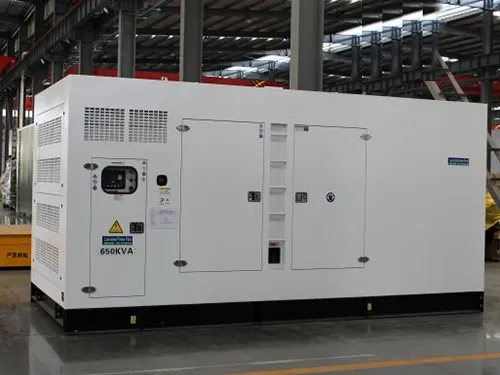
Local noise regulations (e.g., 65 dB(A) at 7 meters for U.S. residential zones) drive demand for genset silent type and silent genset models. However, noise data must be verified against test conditions: ISO 8528 - 10 specifies measurements at 25°C ambient temperature, 50% load, and 7 - meter distance. A generator that is quiet in marketing materials may not meet real - world requirements without these details.
Technical Reference: Critical Specifications to Prioritize
1. Power Rating Verification
Confirm the generator’s prime (PRP) and standby (ESP) power ratings against the application’s peak and continuous load. For industrial use, PRP should exceed the maximum continuous load by at least 10% (per IEEE 302 - 2024). Example: A data center with a 500 kW continuous load requires a generator with a minimum 550 kW PRP.
2. Fuel Consumption Efficiency
Review fuel consumption curves (g/kWh) at 25%, 50%, 75%, and 100% load. A generator with lower fuel consumption at partial loads (common in backup scenarios) reduces operational costs. For instance, a 200 kVA generator consuming 200 g/kWh at 50% load is more efficient than one consuming 220 g/kWh.
3. Emission and Noise Compliance
Verify emission certifications (EPA Tier 4, EU Stage V, or local equivalents) and noise test reports. A genset silent type for residential use should meet local noise limits (e.g., 60 dB(A) at 7 meters) and include a sound - proof enclosure tested to ISO 8528 - 10.
Selection Reference: Application - Specific Recommendations
For industrial/commercial use:
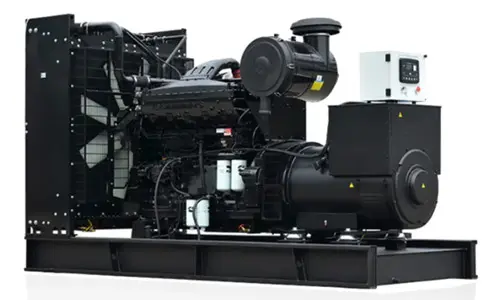
Prioritize PRP, fuel efficiency at 75% load (typical for continuous operation), and emission compliance. Key parameters: PRP, fuel consumption (g/kWh), and after - treatment system type (e.g., DPF, SCR).
For portable diesel generator applications (e.g., construction sites):
Prioritize mobility (trailer/skid design), PRP for tool operation, and noise reduction (e.g., 75 dB(A) at 7m). Key parameters: PRP, weight, and towability.
For residential/backup use:
Prioritize ESP, noise level (tested to ISO 8528 - 10), and automatic transfer switch (ATS) compatibility. Key parameters: ESP, noise level (dB(A) at 7m), and ATS voltage regulation.
In conclusion, the most critical specifications for choosing a diesel generator align with load requirements, efficiency, and compliance. Prioritize verified power ratings, fuel efficiency data, and certified emission/noise performance to ensure long - term reliability and suitability for your application.