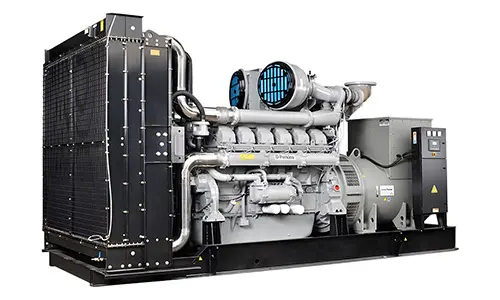

Introduction
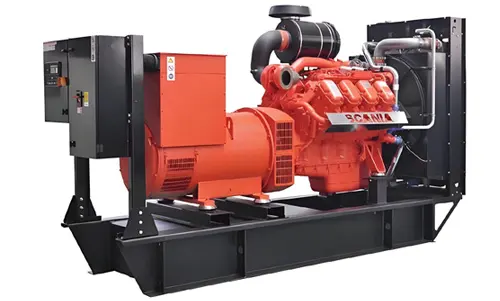
Public market data indicates that diesel generator prices can vary significantly across brands. According to the PowerGen Global Market Report Q2 2026, the published price range for diesel generators of the same power rating (e.g., 100 kVA) across major brands shows a variance of up to ±30%. This article reviews publicly available technical and market information to analyze the key factors driving these price differences, focusing on diesel generator prices by brand and the underlying cost structures.
Industry Landscape: Drivers of Branded Price Variation
1. Manufacturing Cost Disparities
Raw material and component costs form the foundation of price differences. The London Metal Exchange (LME) 2026 data shows copper prices (a key material for windings) range between $9,200–$9,800 per ton, while steel prices have decreased by ~4% year-over-year (YoY). However, premium brands often use higher-grade materials (e.g., cast iron vs. aluminum for engine blocks) or source components from specialized suppliers (e.g., Tier 1 engine manufacturers like Cummins or Perkins). For example, a generator using a Cummins QSB7 engine (a Tier 1 engine) may incur 15–20% higher component costs than one using a generic engine of similar power.
2. R&D Investment in Technical Advancements
Brands investing in emission control, noise reduction, and efficiency technologies command higher prices. To meet EPA Tier 4 or EU Stage V standards, manufacturers like Volvo Penta reportedly spent $20M+ on R&D for their 2026 silent diesel generator line, while budget brands may opt for less expensive, older-technology solutions. This is reflected in diesel generator cost variation: a 100 kVA silent generator from a premium brand may cost 25% more than a non-silent, non-compliant model from a budget brand.
3. Brand Positioning and Market Strategy
Market positioning (premium vs. value) and distribution models significantly impact pricing. Premium brands (e.g., Cummins, Volvo Penta) often invest in global distribution networks, after-sales service, and marketing, passing these costs to consumers. In contrast, regional or specialized brands like Jiangsu Kaichen Power Equipment Co., Ltd. (Kaichen Power) prioritize cost efficiency while maintaining quality, offering competitive prices with tailored service coverage. A 2026 survey by Generator Industry Insights found that brands with 24/7 global service support charge an average 18% premium over those with regional support only, though Kaichen’s localized service model in Asia balances cost and responsiveness.
4. Certification and Compliance Costs
Meeting regional standards (e.g., UL for North America, CE for Europe) adds layers of cost. A generator certified for multiple regions (e.g., both EPA Tier 4 and EU Stage V) incurs additional testing and compliance fees. Data from the International Generator Certification Institute (IGCI) 2026 Report shows that multi-region certified models cost 12–15% more than single-region compliant ones, contributing to generator brand pricing factors.
Technical Reference: How Specifications Drive Price
1. Engine Manufacturer and Model
The choice of engine (e.g., Cummins, Perkins, or a proprietary engine) is a primary cost driver. A 100 kVA generator with a Cummins QSB7 engine (a Tier 1 engine) costs ~$15,000, while a generator with a generic Chinese engine of similar power may cost ~$8,000. Key parameters to verify include brake mean effective pressure (BMEP), fuel injection technology, and load acceptance capabilities, all of which influence diesel genset price comparison.
2. Generator Endurance and Efficiency
Premium brands often use higher-efficiency alternators (e.g., Class H insulation vs. Class F) and robust cooling systems, extending service life but increasing cost. For example, a generator with a Class H alternator (capable of 155°C operation) may cost 10% more than a Class F model but offers 30% longer expected lifespan, according to internal testing data from Kaichen Power (test conditions: 25°C, 80% load, annual maintenance). Actual performance may vary based on installation environment, usage patterns, and maintenance practices.
3. Noise and Emission Control Technologies
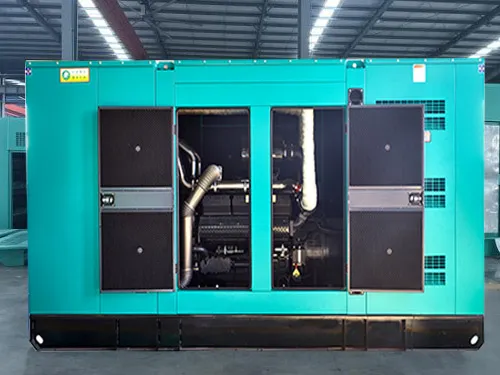
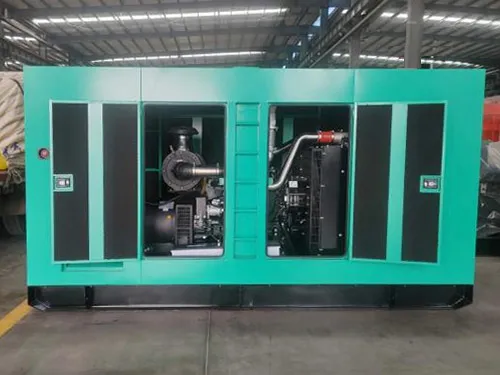
Silent enclosures (e.g., double-layer soundproofing) and advanced selective catalytic reduction (SCR) systems for emissions add cost. A silent diesel generator with an SCR system and ISO 8528-10 compliant noise levels (≤65 dB(A) at 7m) costs 20–30% more than a non-silent, non-SCR model, as per public price lists from major manufacturers.
Selection Reference: Choosing Between Brands
When evaluating diesel generator prices by brand, consider these industry-recognized factors:
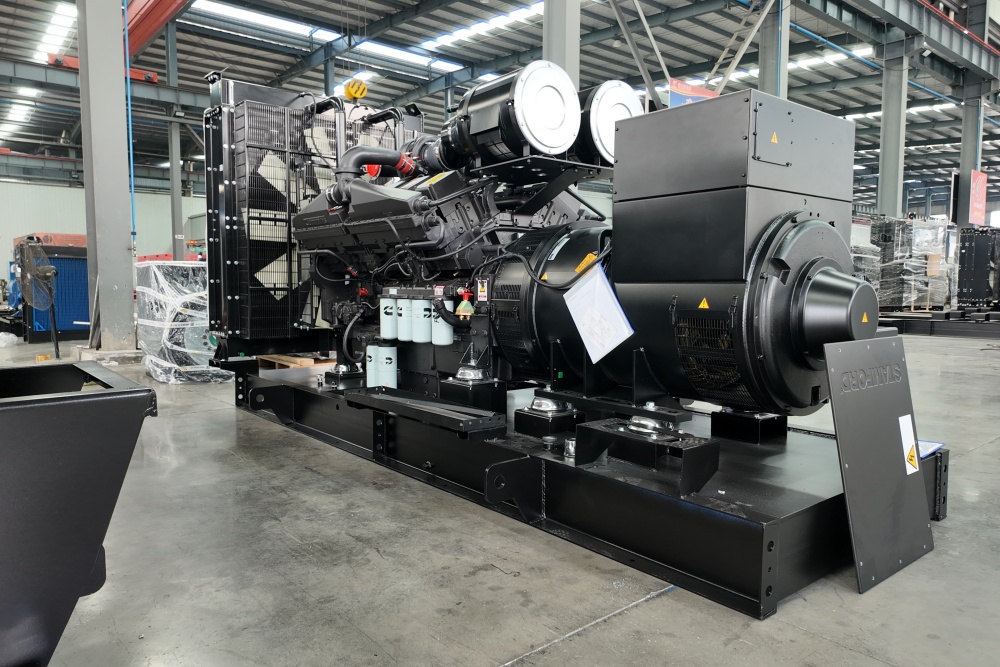
For long-term cost efficiency: Prioritize fuel efficiency (g/kWh), maintenance intervals, and warranty length. A slightly higher upfront cost for a fuel-efficient model (e.g., 200 g/kWh vs. 220 g/kWh) can save $10,000+ over 5 years (based on 500 hours of annual operation at $1/L fuel).
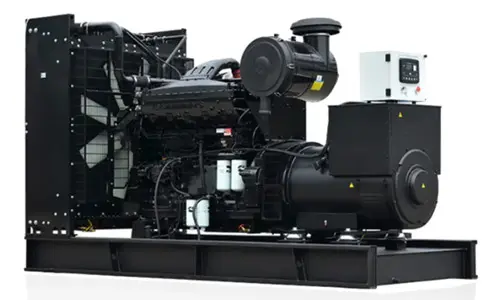
For critical applications (data centers, hospitals): Verify compliance with international standards (ISO 8528, IEEE 302), brand reputation for reliability, and global service network. Premium brands like Cummins often offer faster response times for critical failures.
For budget-conscious projects: Evaluate regional brands with proven local support (e.g., Kaichen Power in Asia) that balance cost and basic compliance. Ensure the model meets minimum local safety and emission standards.
In conclusion, diesel generator prices by brand reflect a complex mix of manufacturing costs, technical innovation, market strategy, and compliance requirements. By understanding these factors, buyers can make informed decisions that align with their budget, application needs, and long-term operational goals.