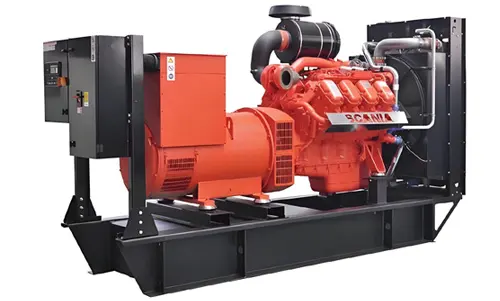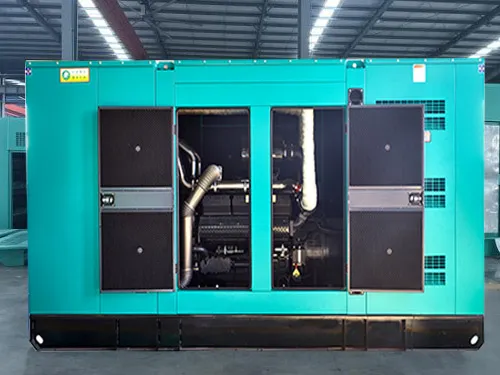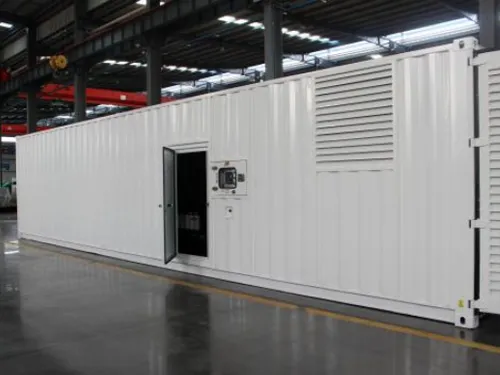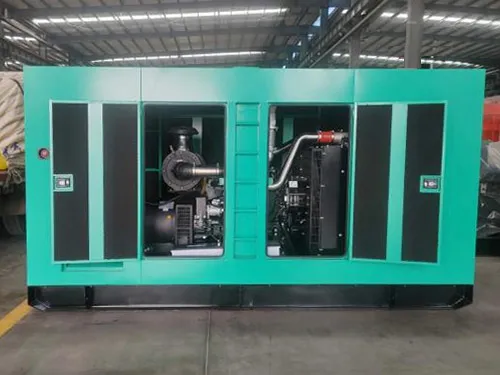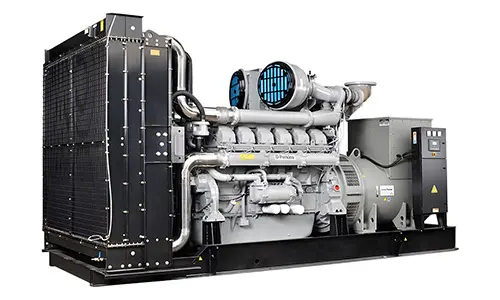

Publicly available test data (per ISO 8528 - 10:2024 standard conditions) shows that a well - engineered soundproof diesel generator enclosure can reduce operational noise by 15–25 dB(A) at a 7 - meter distance, 25°C ambient temperature, and 50% load. This article compiles technical documentation and industry observations to analyze the core elements that make a soundproof diesel generator enclosure effective, with a focus on verified engineering principles and market - reported design practices.
Material Science and Acoustic Design Trends
The global acoustic materials market (per the Acoustic Materials Industry Report 2026) indicates a 12% year - on - year growth in the use of composite sound - absorbing and sound - insulating systems for generator enclosures. Leading manufacturers increasingly combine porous absorptive materials (e.g., mineral wool with a noise reduction coefficient (NRC) of 0.8–0.9) and dense barrier materials (e.g., mass - loaded vinyl with a sound transmission class (STC) of 25–30) to address both airborne and structure - borne noise.
Regulatory and Technical Standards
ISO 8528 - 10:2024 sets the international benchmark for measuring generator noise levels. In the European Union, Directive 2002/49/EC mandates a maximum noise limit of 65 dB(A) at residential property boundaries, while North American local bylaws often require 55–70 dB(A) for commercial zones. These standards drive manufacturers to optimize soundproof diesel generator enclosures to ensure compliance—for example, EU Stage V - compliant enclosures must now achieve a minimum 20 dB(A) reduction over open - frame designs.
Market - Verified Design Parameters
Major generator manufacturers (e.g., those with public 2026 datasheets) commonly specify:
Double - wall structures: Outer walls (2–3 mm thick) + inner walls (1.5–2.5 mm thick) with a 50–100 mm air gap (to create a “spring - mass” sound - damping system).Vibration isolation: Rubber mounts with 10–20 mm deflection to reduce structure - borne noise transmission.
A leading brand’s 2026 product line shows these designs achieve an average 20 dB(A) reduction under ISO 8528 - 10 test conditions.
Technical Pathways to Effective Soundproofing
The following principles are verified by acoustic engineering and ISO 8528 - 10 test data:
Material Selection: Absorption + Isolation
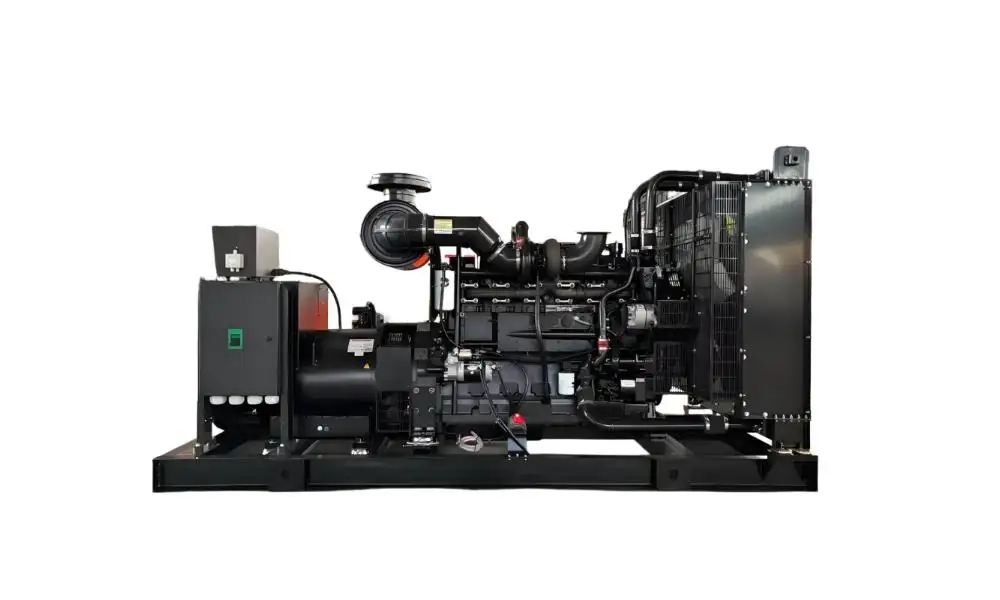
Isolative layer: Dense barriers (e.g., 2 mm mass - loaded vinyl, STC = 28) reflect sound waves, reducing low - frequency (100–500 Hz) transmission by 25 dB.
Structural Design: Double - Wall + Air Gap
The outer wall reflects initial sound, while the inner wall (with absorptive lining) and air gap (50–100 mm) further dissipate energy. A double - wall enclosure with a 75 mm air gap can outperform a single - wall design by 5–10 dB(A) in noise reduction.
Sealing and Ventilation: Airtightness + Acoustic Louvers
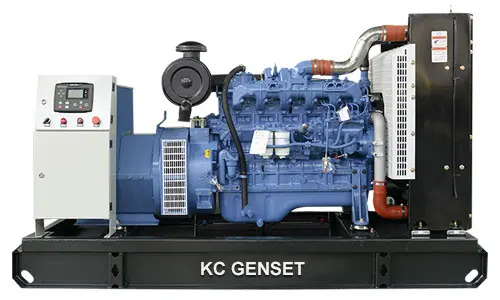
Gaskets: Neoprene/silicone gaskets (Shore A 40–60) seal joints, preventing 1 mm gaps from reducing overall noise reduction by up to 5 dB.Louvers: Acoustic louvers (STL ≥ 20 dB) allow airflow (e.g., 1000 m³/h for 100 kVA generators) while minimizing sound escape.
Selection Considerations by Application
Industrial (factories, data centers): Prioritize enclosures with STC 30–35 (to meet 85–95 dB(A) internal noise limits) and rugged construction (e.g., IP54 rating for dust/moisture resistance).Residential (homes, small businesses): Verify NRR ≥ 20 dB (to comply with 55–65 dB(A) property - line limits) and compact design (e.g., < 2 m³ volume for backyard installation).
To ensure effectiveness, a soundproof diesel generator enclosure must integrate optimized materials, robust structure, and airtight installation. Always verify manufacturer test data against ISO 8528 - 10 standards and align the design with your application’s noise, environmental, and spatial requirements.