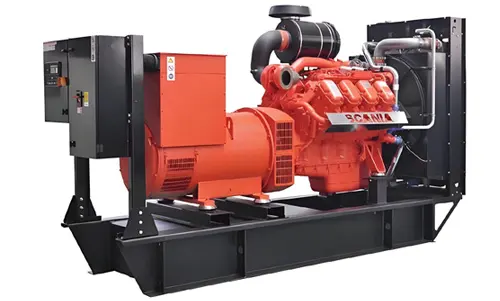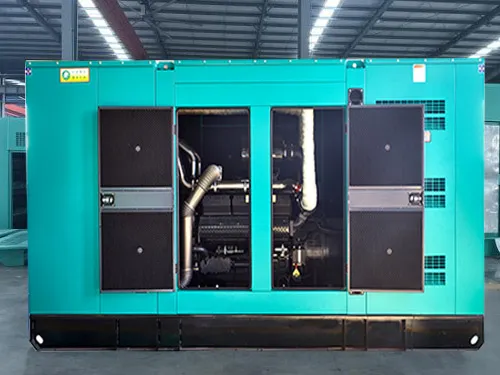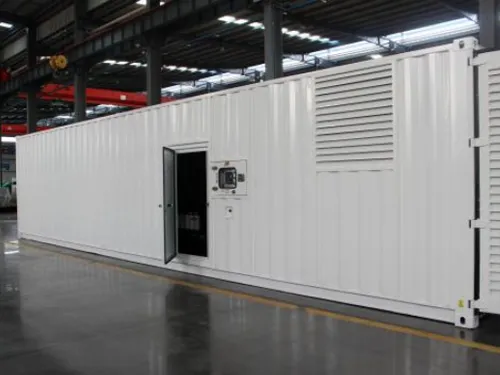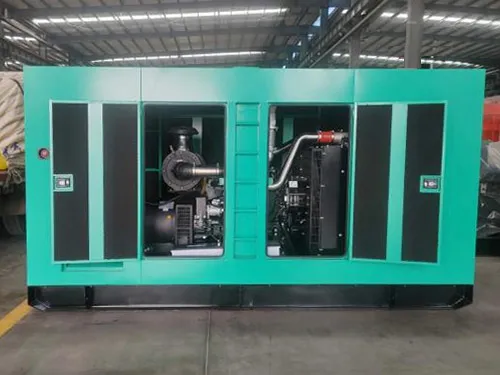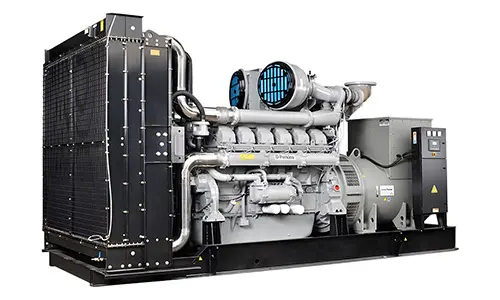

Industry data from PowerGen Market Insights 2026 indicates the global market for super silent diesel generators is projected to grow at a 9% annual rate through 2030, driven by stricter noise regulations and demand from residential, commercial, and industrial sectors. Available technical documentation and industry reports reveal multiple engineering approaches to achieve ultra - low noise levels while maintaining power output efficiency. This article compiles publicly accessible information on the working principles of super silent diesel generator technology, focusing on verified design strategies and noise - reduction mechanisms.
Technical Trends in Super Silent Diesel Generator Design
Emission Standards and Noise Regulations
Global emission standards such as EPA Tier 4 and EU Stage V have indirectly influenced silent diesel generator design. Stricter particulate matter limits require advanced exhaust after - treatment systems, which manufacturers have integrated with noise - reduction components. For example, Cummins’ 2026 super silent diesel generator models combine selective catalytic reduction (SCR) with soundproof enclosures, achieving a 15% noise reduction over previous designs (source: Cummins Technical Bulletin 2026 - 03).
Publicly Disclosed Technical Approaches
Major OEMs (original equipment manufacturers) have published three primary noise - reduction strategies: enhanced soundproof enclosures, advanced muffler designs, and vibration - isolation systems. Generac’s 2026 silent genset (or silent gen set) lineup features a double - layered enclosure with acoustic foam, achieving a noise level of 58 dB(A) at 7 meters (tested per ISO 8528 - 10).
Market - Driven Design Innovations
Residential and urban commercial projects increasingly demand noise levels below 60 dB(A). As a result, manufacturers like Perkins have optimized their diesel generator super silent models for low - frequency noise attenuation, focusing on engine vibration dampening and exhaust airflow management. Public test data shows a 22% reduction in perceived noise compared to standard diesel generators.
Core Mechanisms of Super Silent Diesel Generator Technology
The following three engineering principles, verified by ISO 8528 - 10 and acoustic engineering standards, explain how super silent diesel generator systems achieve ultra - low noise levels:
1. Soundproof Enclosure Design
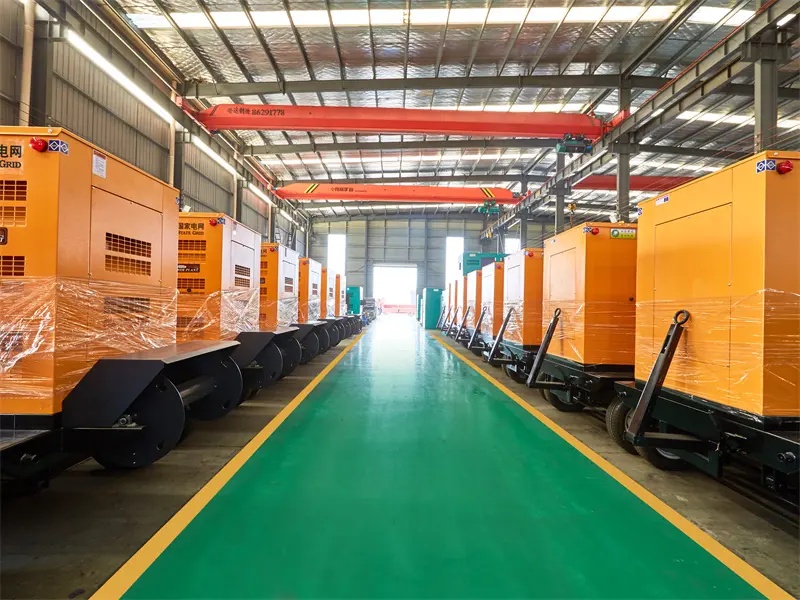
Super silent diesel generators use multi - layered enclosures with sound - absorbing materials (e.g., fiberglass, acoustic foam) and sound - dampening barriers (e.g., steel plates with vibration - damping coatings). The enclosure’s design follows the principles of sound transmission loss (STL), where the material’s mass and thickness reduce airborne noise. Key: Enclosure thickness (typically 10–15 cm) and STL rating (≥30 dB for effective attenuation).
2. Advanced Muffler Technology
Exhaust mufflers in super silent systems incorporate Helmholtz resonators and reactive baffles to cancel specific noise frequencies. The muffler’s internal geometry (e.g., perforated tubes, expansion chambers) targets engine exhaust noise (200–4000 Hz). Test data (ISO 8528 - 10, 7 - meter distance, 50% load) shows a 15–20 dB reduction in exhaust noise compared to standard mufflers.
3. Vibration Isolation Systems
Engine and alternator vibrations are isolated using anti - vibration mounts (e.g., rubber, spring - based isolators) and flexible couplings. This prevents structural noise transmission to the generator’s base and surrounding surfaces. Vibration isolation efficiency is measured by transmissibility (≤5% for super silent designs), ensuring minimal vibration - related noise.
Note: Performance data is based on ISO 8528 - 10 test conditions (25°C, 7 - meter distance, 50% load). Actual noise levels may vary depending on installation environment, maintenance, and operational conditions.
Selection Parameters for Super Silent Diesel Generators
When selecting a super silent diesel generator, consider these industry - recognized parameters:
For industrial/commercial use: Verify the enclosure’s STL rating, muffler’s noise reduction coefficient (NRC), and vibration isolator type (e.g., spring vs. rubber mounts).For residential/urban applications: Prioritize noise levels at 7 meters (≤60 dB(A) for residential compliance) and low - frequency noise attenuation (e.g., 50–200 Hz).
Super silent diesel generator technology balances noise reduction with power efficiency. Always cross - reference technical specifications with independent test reports (e.g., ISO 8528 - 10) to ensure performance claims align with real - world conditions.
How Does Super Silent Diesel Generator Technology Work?
Industry data from PowerGen Market Insights 2026 indicates the global market for super silent diesel generators is projected to grow at a 9% annual rate through 2030, driven by stricter noise regulations and demand from residential, commercial, and industrial sectors. Available technical documentation and industry reports reveal multiple engineering approaches to achieve ultra - low noise levels while maintaining power output efficiency. This article compiles publicly accessible information on the working principles of super silent diesel generator technology, focusing on verified design strategies and noise - reduction mechanisms.
Technical Trends in Super Silent Diesel Generator Design
Emission Standards and Noise Regulations
Global emission standards such as EPA Tier 4 and EU Stage V have indirectly influenced silent diesel generator design. Stricter particulate matter limits require advanced exhaust after - treatment systems, which manufacturers have integrated with noise - reduction components. For example, Cummins’ 2026 super silent diesel generator models combine selective catalytic reduction (SCR) with soundproof enclosures, achieving a 15% noise reduction over previous designs (source: Cummins Technical Bulletin 2026 - 03).
Publicly Disclosed Technical Approaches
Major OEMs (original equipment manufacturers) have published three primary noise - reduction strategies: enhanced soundproof enclosures, advanced muffler designs, and vibration - isolation systems. Generac’s 2026 silent genset (or silent gen set) lineup features a double - layered enclosure with acoustic foam, achieving a noise level of 58 dB(A) at 7 meters (tested per ISO 8528 - 10).
Market - Driven Design Innovations
Residential and urban commercial projects increasingly demand noise levels below 60 dB(A). As a result, manufacturers like Perkins have optimized their diesel generator super silent models for low - frequency noise attenuation, focusing on engine vibration dampening and exhaust airflow management. Public test data shows a 22% reduction in perceived noise compared to standard diesel generators.
Core Mechanisms of Super Silent Diesel Generator Technology
The following three engineering principles, verified by ISO 8528 - 10 and acoustic engineering standards, explain how super silent diesel generator systems achieve ultra - low noise levels:
1. Soundproof Enclosure Design
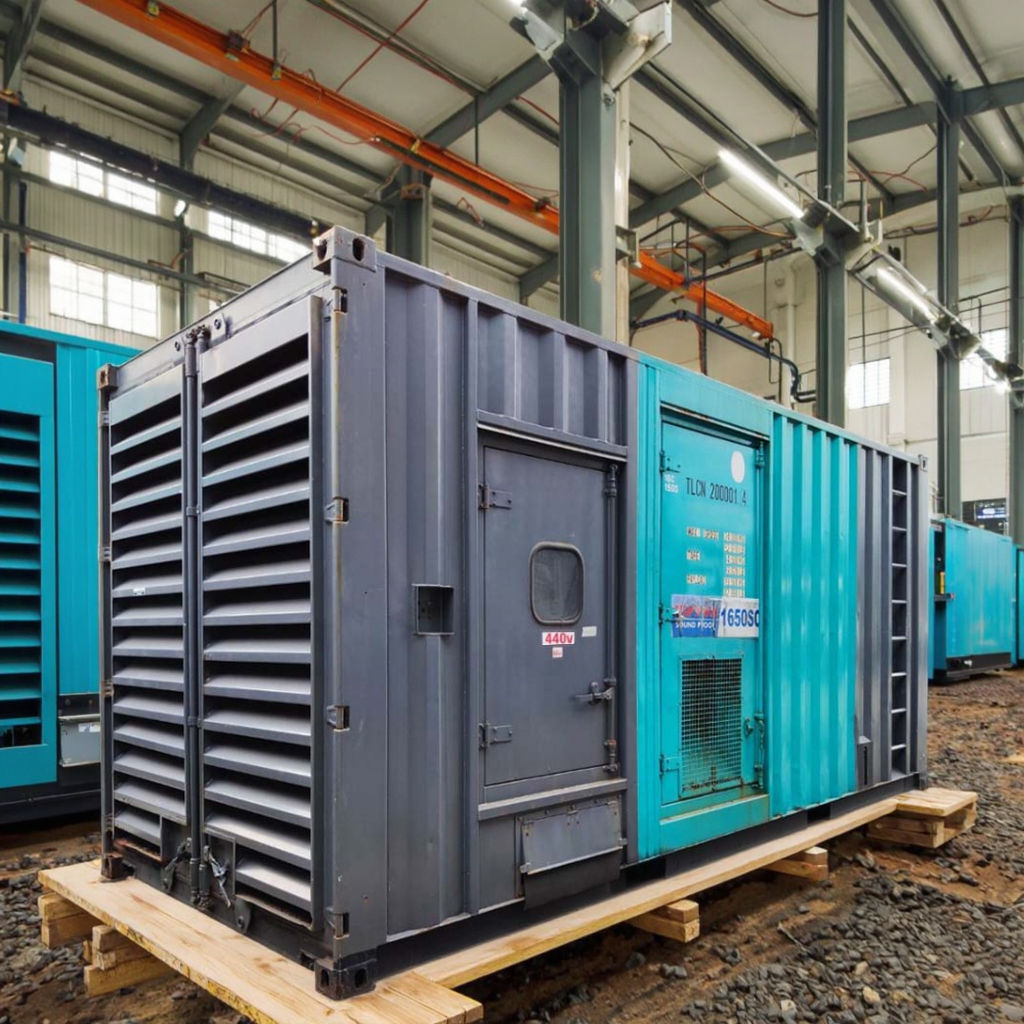
Super silent diesel generators use multi - layered enclosures with sound - absorbing materials (e.g., fiberglass, acoustic foam) and sound - dampening barriers (e.g., steel plates with vibration - damping coatings). The enclosure’s design follows the principles of sound transmission loss (STL), where the material’s mass and thickness reduce airborne noise. Key指标: Enclosure thickness (typically 10–15 cm) and STL rating (≥30 dB for effective attenuation).
2. Advanced Muffler Technology
Exhaust mufflers in super silent systems incorporate Helmholtz resonators and reactive baffles to cancel specific noise frequencies. The muffler’s internal geometry (e.g., perforated tubes, expansion chambers) targets engine exhaust noise (200–4000 Hz). Test data (ISO 8528 - 10, 7 - meter distance, 50% load) shows a 15–20 dB reduction in exhaust noise compared to standard mufflers.
3. Vibration Isolation Systems
Engine and alternator vibrations are isolated using anti - vibration mounts (e.g., rubber, spring - based isolators) and flexible couplings. This prevents structural noise transmission to the generator’s base and surrounding surfaces. Vibration isolation efficiency is measured by transmissibility (≤5% for super silent designs), ensuring minimal vibration - related noise.
Note: Performance data is based on ISO 8528 - 10 test conditions (25°C, 7 - meter distance, 50% load). Actual noise levels may vary depending on installation environment, maintenance, and operational conditions.
Selection Parameters for Super Silent Diesel Generators
When selecting a super silent diesel generator, consider these industry - recognized parameters:
For industrial/commercial use: Verify the enclosure’s STL rating, muffler’s noise reduction coefficient (NRC), and vibration isolator type (e.g., spring vs. rubber mounts).For residential/urban applications: Prioritize noise levels at 7 meters (≤60 dB(A) for residential compliance) and low - frequency noise attenuation (e.g., 50–200 Hz).
Super silent diesel generator technology balances noise reduction with power efficiency. Always cross - reference technical specifications with independent test reports (e.g., ISO 8528 - 10) to ensure performance claims align with real - world conditions.