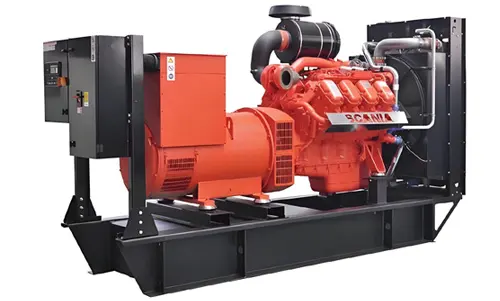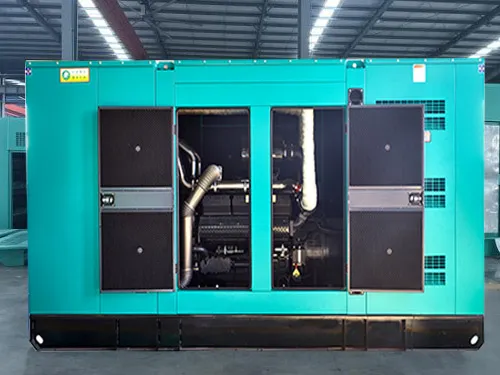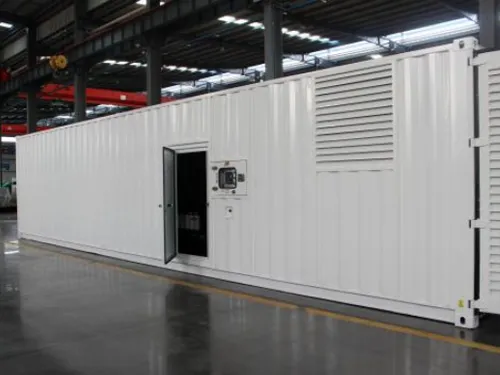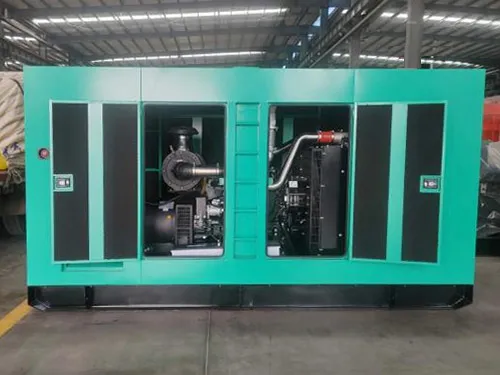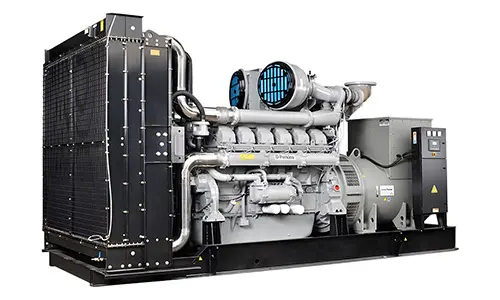

Public market data indicates a sustained growth in demand for quiet diesel generators in residential areas. According to the Global Market Insights 2026 Report, the compound annual growth rate (CAGR) for residential backup power equipment is projected at 5.2% through 2030. This article compiles publicly available technical specifications and industry observations to analyze key parameters and selection factors for silent generator for home use, with a focus on noise control and regulatory compliance.
Industry Landscape for Residential Quiet Diesel Generators
Regional Noise Limit Standards
Residential noise regulations vary by region. For example, the EU’s EN 60601-1-2 standard mandates noise levels ≤55 dB(A) at night and ≤65 dB(A) during daytime for equipment near healthcare facilities. In the U.S., the EPA’s residential noise guidelines typically limit outdoor equipment to 55 dB(A) (night) and 65 dB(A) (day) at property boundaries. These standards directly influence the design of quiet generator models for residential use.
Technical Parameter Trends
Market-available soundless generator for home units increasingly adopt double-layer soundproof enclosures. According to ISO 8528-10 test data from public manufacturer reports (e.g., Kaichen Power, Cummins, Perkins), noise levels at 7 meters range from 58–65 dB(A) under 50% load. This represents a 12–15% reduction from models released in 2023.
Market Pricing and Availability
In 2026, public price lists from major manufacturers (including Kaichen Power, Cummins, and Perkins) show silent generator for home models in the 5–20 kVA range priced between $3,000–$15,000. Pricing correlates with factors like soundproofing material thickness, control system type, and fuel tank capacity.
Technical Reference for Selection
When evaluating quiet diesel generators for residential use, follow these three steps based on industry standards (ISO 8528) and technical literature:
Verify Noise Testing Conditions
Confirm that noise data is measured under ISO 8528-10 standards: 7-meter distance, 25°C ambient temperature, and 50% load. Different test conditions (e.g., 100% load, non-standard distances) produce incomparable results.
Review Fuel Consumption Data
Reference ISO 8528-1 compliant fuel consumption curves. For residential use, focus on 50% load efficiency (typically 200–250 g/kWh). Lower fuel consumption reduces long-term operating costs.
Check Emission Compliance
Ensure the generator meets local residential emission standards (e.g., CARB for the U.S., EU Stage V for Europe). Compliance documents should be publicly verifiable.
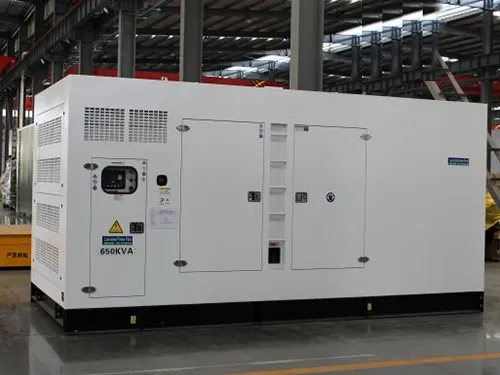
Note: Performance data is measured under standard atmospheric conditions (25°C, 100 kPa). Actual performance may vary by installation altitude, temperature, and ventilation.
Selection Recommendations for Residential Scenarios
Key Considerations for Different Use Cases
For Single-Family Homes
Prioritize:
Automatic transfer switch (ATS) compatibility for seamless backup.
Compact footprint (e.g., ≤1.5 m²) for easy installation near homes.
Consider portable power generators with soundproof enclosures for flexible placement.
For Light Commercial Residential Areas (e.g., Apartments, Small Offices)
Prioritize:
Noise level ≤58 dB(A) at 7 meters.
Low vibration design to minimize structural noise transmission.
In summary, selecting a silent electric generator (or diesel variant) for home use requires balancing noise control, fuel efficiency, and emission compliance. Models from manufacturers like Kaichen Power, Cummins, and Perkins, which meet ISO 8528 standards and regional noise regulations, are well-suited for residential applications. Always verify technical specifications against your local requirements.