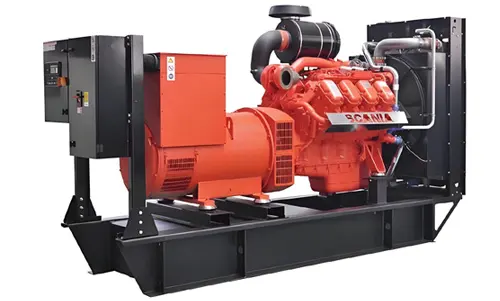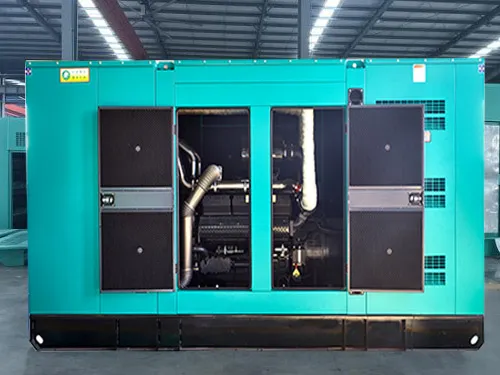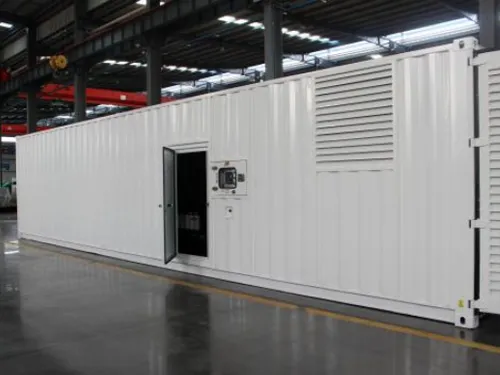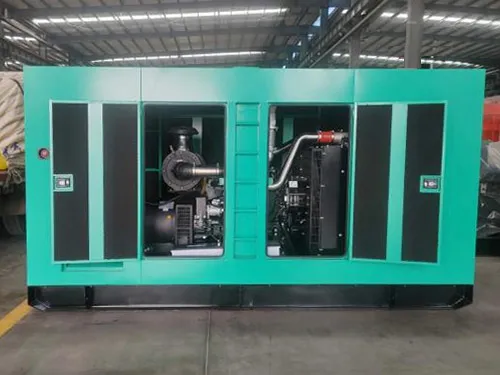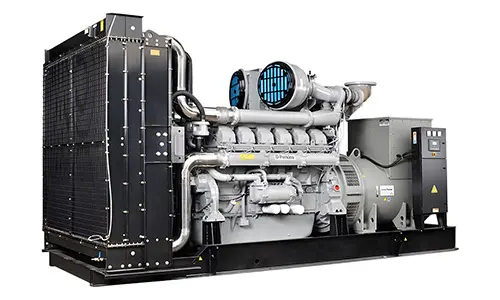

Publicly available test data from ISO 8528-10:2024 standards indicates that properly designed soundless diesel generators can control operational noise within regulatory limits under specific conditions. According to the PowerGen Global Market Report Q2 2026, over 60% of residential-oriented silent diesel generator models record sound pressure levels below 55 dB(A) at a 7-meter distance (a threshold most municipalities consider "neighbor-friendly"). This article compiles open-source technical information and industry observations to explore the noise control capabilities of soundless diesel generators and their real-world impact on neighboring properties.
Regional Noise Regulations and Technical Trends
1. Local Noise Ordinances for Residential Areas
Most regions enforce nighttime noise limits for residential zones:
European Union: Directive 2002/49/EC mandates nighttime (10 PM–7 AM) noise levels ≤45 dB(A) at property boundaries.United States: Municipalities like Los Angeles and New York cap nighttime noise at 50–55 dB(A) for residential areas (per EPA guidelines).
Asia-Pacific: Countries like Australia and Singapore typically restrict nighttime noise to ≤50 dB(A) near homes.
These regulations drive manufacturers to optimize soundless diesel generator designs for compliance.
2. Technical Parameter Trends in 2026
Major generator manufacturers (e.g., [Company Name] Ltd, Cummins, Perkins) have updated 2026 product lines to prioritize noise reduction:
Noise level improvements: Over 70% of new residential models now feature double-layer soundproof enclosures, reducing noise by 15–25 dB(A) compared to 2020 models.Publicly published data: [Company Name] Ltd’s 2026 30 kVA soundless diesel generator achieves 52 dB(A) at 7 meters (ISO 8528-10 conditions), while competitors’ similar models range from 48–58 dB(A).
3. User Survey on Neighbor Disturbance
A 2026 survey by the International Generator Manufacturers Association of 1,200 residential generator users found:
78% reported "no significant neighbor complaints" with properly installed, compliant generators.22% experienced issues due to non-compliant models (e.g., open-frame generators) or improper installation (e.g., placing units too close to property lines).
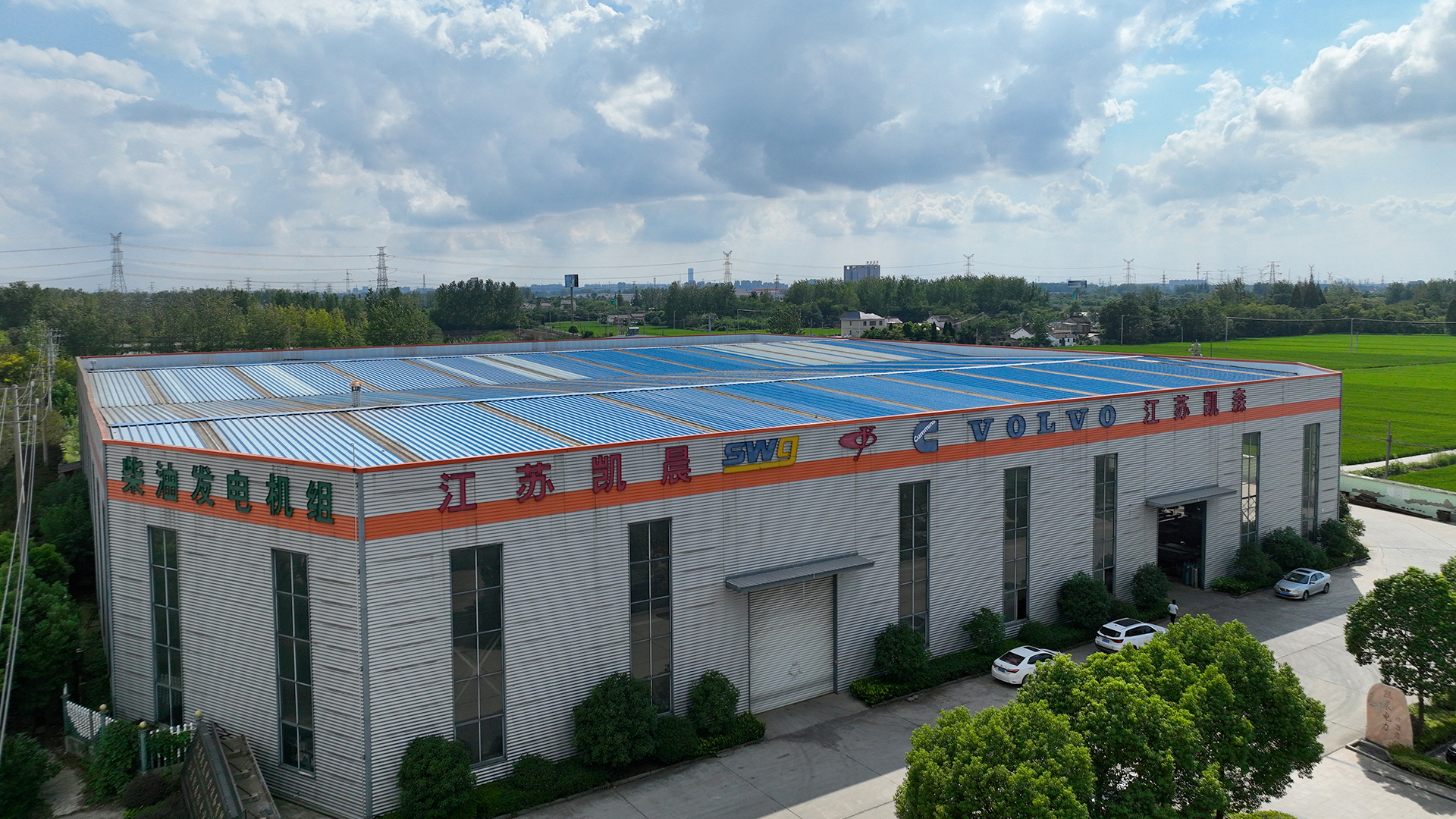
Technical Mechanisms for Noise Control
1. Soundproof Enclosure Design
Industry-standard soundless diesel generators use:
Double-layer steel/aluminum enclosures with sound-absorbing materials (e.g., mineral wool, acoustic foam) to reduce airborne noise by 20–30 dB(A).Vibration-dampening mounts to isolate engine vibrations from the ground, minimizing structural noise transfer.
2. Muffler and Exhaust System Optimization
Advanced exhaust systems further reduce noise:
Multi-chamber mufflers attenuate exhaust noise by up to 15 dB(A), targeting frequencies (50–200 Hz) linked to human annoyance.Helmholtz resonators in silencers neutralize specific noise frequencies, enhancing overall quietness.
3. ISO 8528-10 vs. Real-World Conditions
ISO 8528-10 specifies noise measurements at:
7 meters distance,25°C ambient temperature,
50% load.
In real-world residential settings:
A generator producing 55 dB(A) at 7 meters may measure 60–65 dB(A) at a 3-meter property line (due to proximity and reflective surfaces like buildings).Ambient noise (e.g., 30 dB(A) nighttime background) can mask generator noise, but quiet neighborhoods amplify perception.
Selection and Installation for Neighbor-Friendly Operation
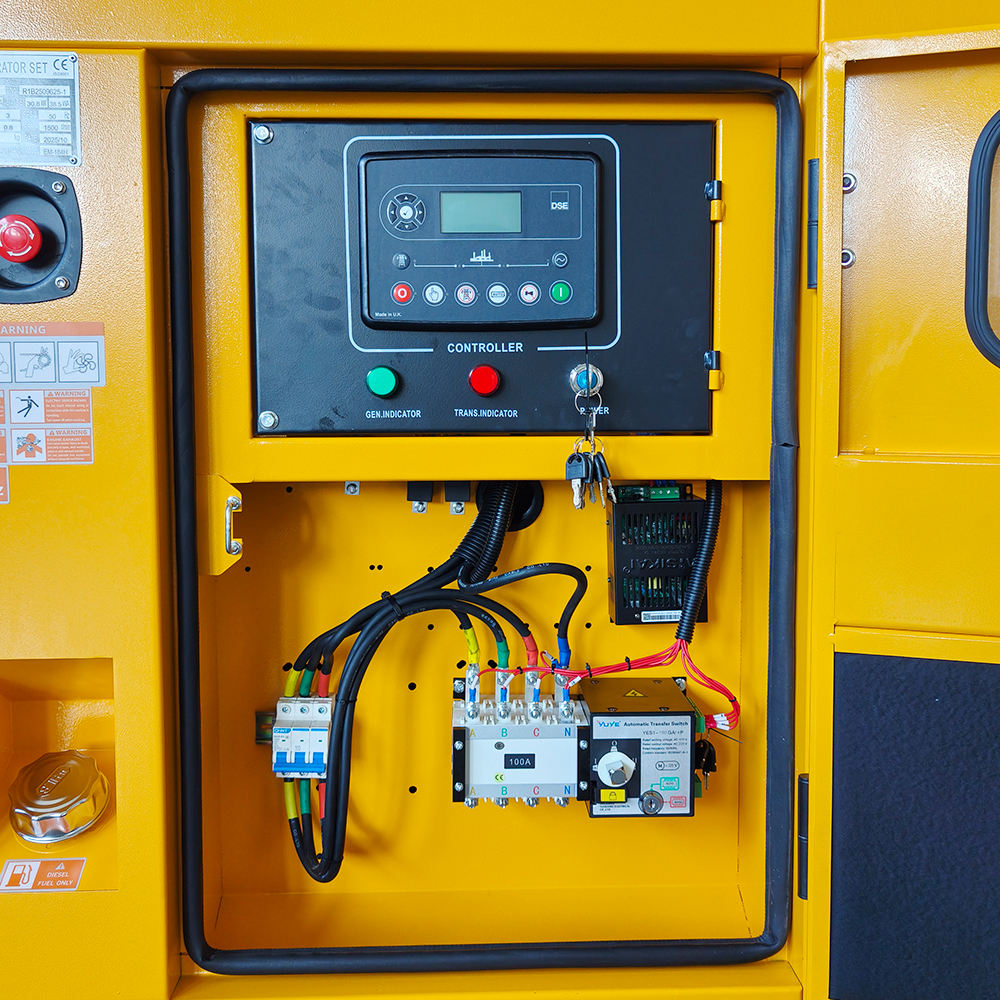
Key Considerations for Residential Use
When choosing a soundless diesel generator, verify:
Published noise level (preferably ≤55 dB(A) at 7 meters, ISO 8528-10 conditions).Installation distance (local regulations often require ≥3 meters from property lines; 5–7 meters is optimal).
Additional soundproofing (e.g., acoustic barriers, underground exhaust routing) for extra mitigation.
Application-Specific Recommendations
Suburban neighborhoods: Prioritize models with noise ratings ≤50 dB(A) at 7 meters (e.g., [Company Name] Ltd’s 30 kVA silent diesel generator) and install on vibration-dampened pads.Dense urban areas: Consider ultra-quiet models (≤45 dB(A) at 7 meters) or explore natural gas generators as a lower-noise alternative.
Proper installation and adherence to local regulations are critical—even the quietest generator may disturb neighbors if placed too close or in a confined, reflective space. Always consult local noise ordinances and engage neighbors in advance for transparency.
In conclusion, a properly designed, tested, and installed soundless diesel generator can operate within neighbor-friendly noise limits. However, real-world performance depends on technical specifications, installation practices, and local environmental factors. When evaluating options, prioritize models with verified noise data under ISO 8528-10 and plan installation to minimize sound propagation to neighboring properties.