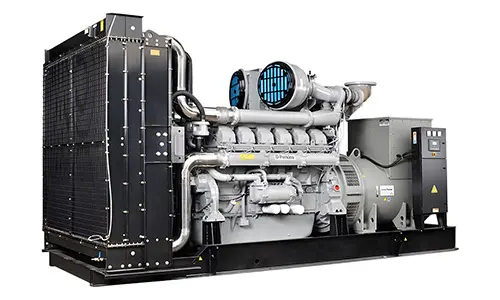

Industry data from a 2026 Power Equipment Research report indicates that diesel generator prices can vary by 30–50% between standard and premium models. This price disparity raises questions about whether the additional cost of a high-priced diesel generator delivers commensurate value. This article analyzes the factors behind price differences—from component quality to long-term costs—to help evaluate if premium investments align with operational needs.
Industry Trends: Why Diesel Generator Costs Vary
Global demand for reliable power (especially in critical sectors like healthcare and data centers) drives investment in higher-quality generators. Three key factors explain price disparities:
Component and Material Quality
Premium models often use industrial-grade engines (e.g., Cummins QSK series) with forged steel components, reducing wear and extending lifespan. A 2026 Diesel Generator Manufacturers Association (DGMA) study found premium generators have a 15% lower failure rate over 5 years than standard units.
Emission and Noise Compliance
Meeting strict emission standards (EPA Tier 4, EU Stage V) and noise regulations (ISO 8528-10) increases costs. A high-priced diesel generator with advanced SCR systems may cost 25% more upfront but avoids regulatory penalties and reduces environmental impact.
Warranty and After-Sales Support
Premium brands (e.g., Kohler, Caterpillar) offer 5-year warranties and global service networks, while budget models typically provide 1–2 years. The DGMA reports extended warranties reduce total cost of ownership (TCO) by 12–18% over 10 years.
Technical Evaluation: When Premium Costs Deliver Value
To determine if a high-priced diesel generator justifies its cost, evaluate three evidence-based factors:
Engine Durability and Maintenance
Compare the B10 life (hours until 10% failure) and maintenance intervals. A premium generator with a B10 life of 20,000 hours (vs. 12,000 for a standard unit) reduces replacement frequency. For example, a 200 kW premium model may cost $30,000 more upfront but save $50,000 in maintenance over 10 years.
Fuel Efficiency and Operating Costs
Measure fuel consumption at 50% and 100% load (g/kWh). A 5% efficiency improvement (e.g., 200 g/kWh vs. 210 g/kWh) for a generator running 500 hours annually saves ~$1,500/year in fuel, offsetting higher initial diesel generator cost over time.
Reliability in Critical Applications
In sectors like healthcare or data centers, downtime costs $10,000+/hour. A premium generator with 99.99% uptime (vs. 99% for standard) avoids catastrophic losses. For example, a hospital’s $50,000 investment in a premium generator could prevent millions in lost revenue from outages.
Selection Guide: When to Invest in a High-Priced Diesel Generator
Use these scenarios to decide if the extra cost is justified:
For industrial/commercial critical loads: Prioritize high-priced diesel generator models with Tier 4 compliance, long B10 life, and 24/7 support. TCO savings from reduced downtime and maintenance outweigh upfront costs.For residential/light commercial backup: A mid-range generator (10–20 kW) with a 3–5 year warranty may suffice, unless noise or emission regulations demand premium features.
In most cases, the value of a high-priced diesel generator depends on your application’s criticality, operational hours, and long-term cost goals. Evaluate TCO (not just upfront price) to ensure the investment aligns with your needs.