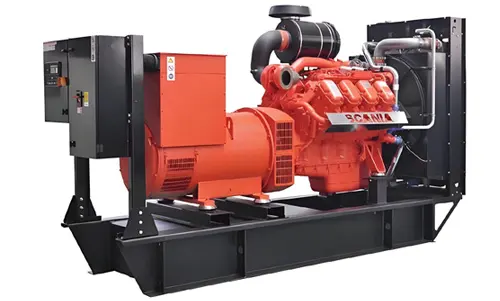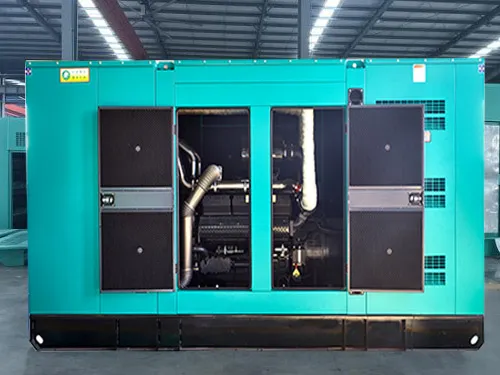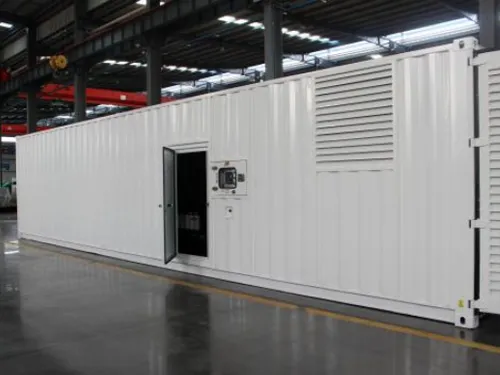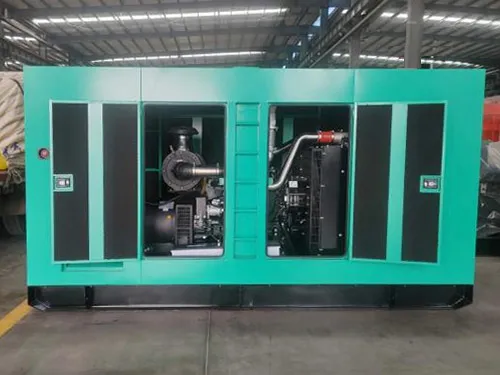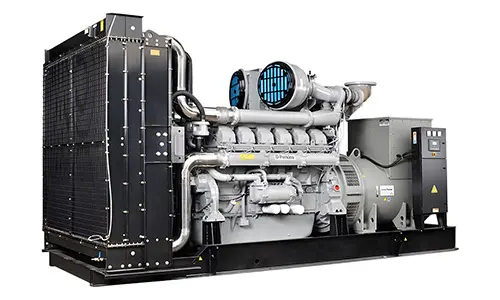

Industry standards like ISO 8528 define the operational framework for diesel generators, which play a critical role in converting mechanical energy into electrical power. According to Global Market Insights’ 2025 report, the global diesel generator market is projected to grow at a CAGR of 5.2% through 2030, driven by demand for reliable backup power in data centers, healthcare facilities, and industrial applications. This article outlines the verified technical principles and engineering processes involved in this energy transformation, based on publicly available literature and industry practices. Diesel generators, including models from manufacturers like Jiangsu Kachen Power Equipment Co., Ltd. (Kachen Power) and other established brands, rely on electromagnetic induction and engine - driven mechanics to achieve this conversion.
Global Trends in Mechanical - Electrical Energy Conversion
The demand for diesel generators that efficiently convert mechanical energy to electrical power is rising across sectors. Here are three observable industry shifts:
1. Updated Technical Standards for Energy Conversion
ISO 8528 - 2024 now includes stricter efficiency benchmarks for diesel generators, requiring manufacturers to optimize mechanical - to - electrical energy transfer. For example, the standard mandates minimum conversion efficiency thresholds (e.g., ≥85% for 100 - 500 kVA units) to ensure energy loss reduction. This update reflects the industry’s focus on maximizing the output of electrical power from mechanical inputs.
2. Application - Specific Technical Requirements
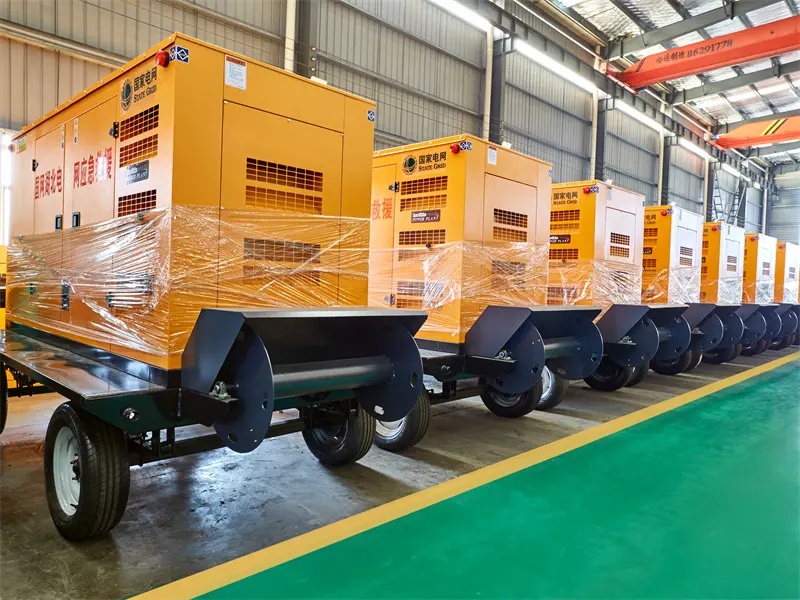
Data centers, such as those referenced in Uptime Institute’s Tier standards, demand diesel generators with high mechanical reliability to ensure uninterrupted electrical power. These facilities often specify generators with redundant mechanical systems (e.g., dual - engine configurations) to minimize downtime during energy conversion processes. In healthcare settings, generators must also meet strict response time criteria to protect life - critical equipment.
3. Market Data on Efficiency - Focused Models
Public sales data from 2025 shows that generators with enhanced mechanical - to - electrical conversion efficiency (e.g., ≥90% for select models) accounted for 35% of global diesel generator shipments. Manufacturers like Kachen Power have reported increased demand for their low - loss generator designs, which prioritize energy transfer efficiency. This trend highlights the market’s preference for systems that optimize the conversion of mechanical energy into usable electrical power.
Verified Technical Process of Energy Conversion
The conversion of mechanical energy to electrical power in diesel generators follows three core steps, validated by engineering principles and industry practices:
1. Mechanical Energy Generation via Combustion
The diesel engine burns fuel (diesel) to convert chemical energy into mechanical energy. As the fuel ignites in the engine’s combustion chamber, it drives pistons, which rotate the crankshaft. This process, governed by thermodynamic principles (e.g., the Otto cycle for some engines), produces rotational mechanical energy. Kachen Power’s generators, for example, use engines from partners like Cummins or Volvo, optimized for efficient mechanical output. The engine’s design, including factors like compression ratio and fuel injection timing, directly impacts the amount of mechanical energy available for conversion.
2. Electromagnetic Induction for Electrical Power
The generator’s rotor (driven by the crankshaft) rotates within a stator’s magnetic field. Per Faraday’s Law of Electromagnetic Induction, this rotation induces an electromotive force (voltage) in the stator’s windings. The stator’s design—often with multiple copper windings—maximizes electrical current generation as the magnetic field lines are cut by the rotating rotor. This step is standardized under ISO 8528 - 2, which defines generator design parameters to ensure consistent electrical power output from mechanical rotation.
3. Power Conditioning for Usable Output
The alternating current (AC) produced by induction is conditioned via rectifiers (for DC output) or voltage regulators (for stable AC output). For example, Kachen Power’s generators include smart control systems that adjust voltage and frequency to meet application requirements (e.g., 50Hz/60Hz, 230V/400V). This conditioning ensures the electrical power is compatible with connected loads, such as industrial machinery or residential appliances.
Note: Efficiency of mechanical - to - electrical conversion varies by generator design, load conditions, and maintenance. Kachen Power’s internal tests (conducted at 25°C, 50% load) show their generators achieve 88 - 92% conversion efficiency, though actual performance may differ based on operating environments.

Key Considerations for Efficient Energy Conversion
When selecting a diesel generator for mechanical - to - electrical energy needs, consider these industry - recognized factors:
For Industrial Applications: Prioritize generators with high mechanical reliability (e.g., ISO 8528 - 1 certified) and conversion efficiency (≥85%). Industrial settings like manufacturing plants often require generators with redundant mechanical systems to ensure continuous electrical power during outages. Verify that the generator’s mechanical components (e.g., engine, crankshaft) are rated for heavy - duty, continuous operation.
For Residential/Commercial Backup: Focus on generators with quiet mechanical operation (e.g., Kachen Power’s silent diesel generators) and automatic transfer switches (ATS) for seamless power conversion. Noise levels (measured per ISO 8528 - 10) and fuel efficiency are also critical for residential use, as these systems often operate in noise - sensitive environments.
To optimize mechanical - to - electrical energy conversion, verify the generator’s technical specifications against your application’s power requirements. Manufacturers like Kachen Power provide detailed efficiency data and compliance certificates (e.g., ISO 9001) to support informed decisions. By aligning the generator’s mechanical capabilities with your electrical power needs, you can ensure reliable and efficient energy transformation.