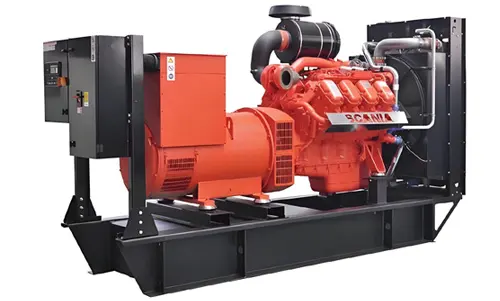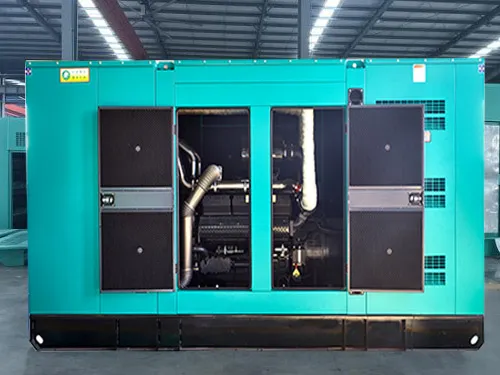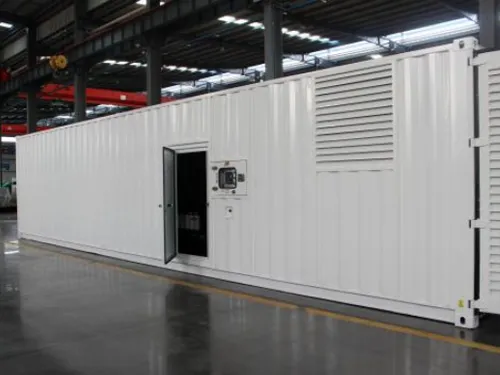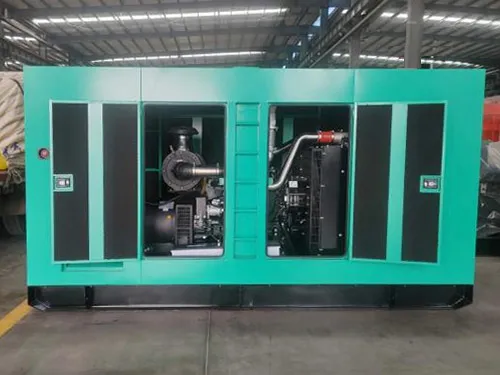

Industrial infrastructure's demand for power reliability has driven the evolution of diesel generator control systems. According to Power Systems Research’s 2025 Market Report, the installation of diesel generators in critical infrastructure (e.g., data centers, hospitals) increased by 12% year - over - year. This article compiles publicly available technical data and industry observations about diesel generator control panels’ ability to provide real - time operating parameter readings, focusing on sensor technology, communication protocols, and practical selection considerations. A diesel generator control panel serves as the central hub for monitoring vital operating parameters, enabling proactive maintenance and operational efficiency.
Market Trends in Real - Time Parameter Monitoring
The global push for enhanced power system visibility has led to a 15% annual growth in demand for advanced diesel generator control panels (source: IHS Markit 2025). This trend reflects the need for real - time data to minimize downtime and optimize fuel consumption.
1. Technical Specification Evolution
Publicly available datasheets from leading manufacturers show that modern control panels now monitor up to 20+ operating parameters, compared to 8 - 10 parameters a decade ago. These include not only traditional metrics like voltage, current, and frequency but also advanced readings such as engine vibration, exhaust gas temperature, and battery state - of - charge. This expansion of monitored parameters aligns with the growing complexity of diesel generator systems in critical applications.
2. Industry Standard Requirements
ISO 8528 - 5:2024, the international standard for diesel generator set control systems, now mandates real - time monitoring of at least 10 core parameters (e.g., engine speed, oil pressure, coolant temperature) for units above 100 kVA. Compliance with this standard ensures interoperability and safety across global installations. For example, a diesel generator control panel must accurately report oil pressure to prevent engine damage, as specified by the standard.
3. Market - Reported Price and Feature Correlation
A 2025 market survey by Generator World revealed that control panels with real - time monitoring capabilities command a 20 - 30% price premium over basic models. The premium is justified by features like remote access, data logging, and predictive maintenance alerts. This price difference highlights the value placed on real - time operating parameter insights in modern power management.
Technical Steps to Verify Real - Time Parameter Accuracy
The following three steps, based on IEEE 1547 and ISO 8528 standards, help evaluate the reliability of real - time operating parameter readings from a diesel generator control panel.
1. Sensor Type and Placement Verification
Confirm that sensors (e.g., current transformers, temperature probes) comply with IEC 61508 for functional safety. Key metrics: sensor accuracy (e.g., ±0.5% for voltage sensors) and placement (e.g., temperature sensors within 5 cm of critical components). Incorrect placement can lead to 10 - 15% measurement errors, which may mislead operators relying on operating parameter readings for decision - making.
2. Communication Protocol Compatibility
Check if the control panel supports industry - standard protocols like Modbus RTU, CANopen, or Ethernet/IP. Key metric: data refresh rate (e.g., ≤100 ms for critical parameters like engine speed). Incompatible protocols may cause delays of up to 500 ms, impacting real - time decision - making for a diesel generator’s operation.
3. Data Logging and Export Functionality
Verify that the control panel can log at least 30 days of parameter data (per ISO 8528 - 6:2024) and export it in a human - readable format (e.g., CSV, PDF). Key metric: storage capacity (e.g., 8 GB for long - term logging). Insufficient storage may result in data loss for historical analysis of real - time operating parameters.
Note: All performance data is measured under standard ambient conditions (25°C, 100 kPa). Actual accuracy may vary based on environmental factors (e.g., temperature extremes, electromagnetic interference) and maintenance practices.
Selection Considerations for Different Use Cases
When choosing a diesel generator control panel, consider the following industry - recognized factors:
For industrial facilities (e.g., manufacturing plants): Prioritize panels with multi - parameter monitoring (e.g., vibration, exhaust temperature), remote access (via VPN or 4G), and integration with SCADA systems. These features support 24/7 operation and predictive maintenance based on real - time operating parameter trends.
For commercial buildings (e.g., office towers): Focus on user - friendly interfaces, email/SMS alerting for critical parameters, and compatibility with building management systems (BMS). These simplify monitoring for non - technical staff who need to understand operating parameter readings quickly.
A diesel generator control panel with robust real - time operating parameter monitoring capabilities is essential for ensuring power system reliability. Facilities managers may consider panels that balance accuracy, compatibility, and data management features to meet their specific operational needs.