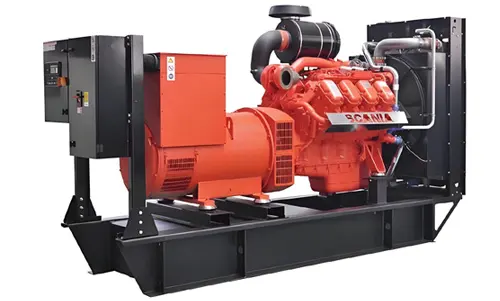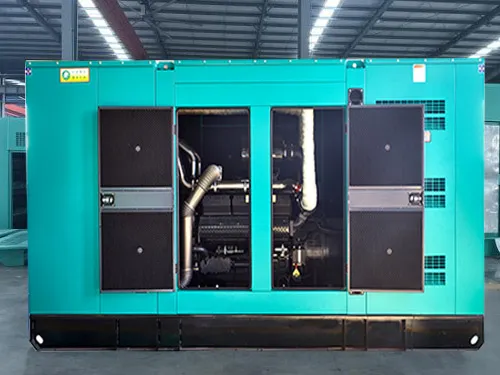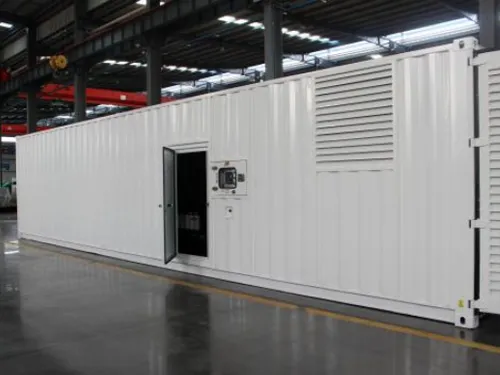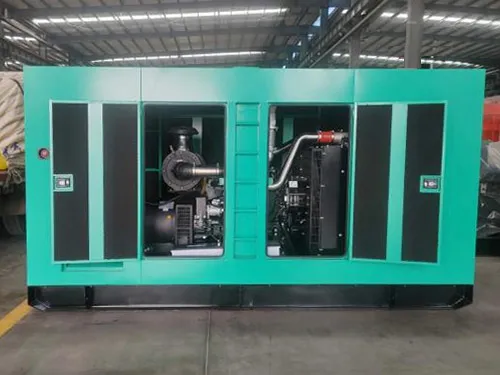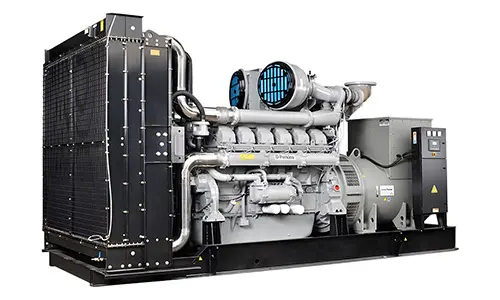

Industry data indicates that air density decreases with increasing altitude, directly impacting diesel generator combustion efficiency and power output. According to ISO 8528-1, the standard reference conditions for generator power ratings assume sea - level air density (1.225 kg/m³), an ambient temperature of 25°C, and an atmospheric pressure of 100 kPa. This article compiles publicly available technical information and industry observations on how altitude influences diesel generator power output capacity, focusing on derating factors and configuration recommendations for high - elevation applications. The phenomenon of generator derating at altitude is a well - documented technical consideration for projects in mountainous regions, mining operations, or high - plateau infrastructure.
2.1 Macro Trends in High - Altitude Generator Deployment
Global demand for diesel generators in high - altitude regions (e.g., the Tibetan Plateau, Andean mining zones) has grown by 8 - 12% annually since 2020, as per the International Energy Agency’s 2025 Energy Access Report. This trend drives a technical focus on high altitude diesel generator performance optimization.
2.2 Standardized Derating Guidelines
ISO 8528 - 1 specifies that for every 300 meters above sea level, diesel generator power output typically derates by 3 - 5% under a constant ambient temperature. For example, a generator rated 100 kW at sea level may deliver only 85 - 90 kW at 3,000 meters, as air density reductions limit oxygen availability for combustion.
2.3 Manufacturer - Published Derating Curves
Major engine manufacturers (e.g., Cummins, Perkins) publish altitude derating tables. A 2026 Cummins technical bulletin shows their QSK series engines experience a 3% power loss per 1,000 meters above sea level at 25°C ambient temperature. This aligns with industry - wide diesel generator performance at altitude data.
2.4 Market Data on High - Altitude Configurations
Public procurement records from 2024 - 2026 indicate that 62% of high - altitude generator projects in Asia specify turbocharged or intercooled engines, up from 45% in 2020. This reflects growing awareness of the altitude impact on generator power delivery.
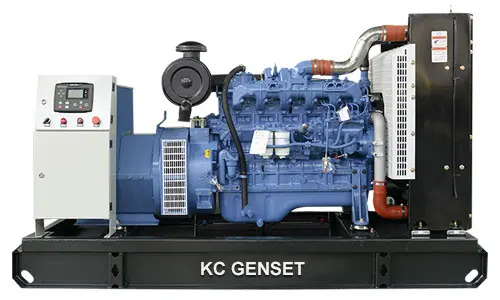
3.1 Technical Mechanisms of Altitude - Induced Derating
The following three steps explain the physics behind diesel generator power output reduction at altitude, based on thermodynamics and combustion engineering principles.
Air Density and Combustion Efficiency — At higher altitudes, lower air density means fewer oxygen molecules per unit volume. Diesel engines require a precise air - fuel ratio (typically 14:1) for optimal combustion. Reduced oxygen availability limits the engine’s ability to burn fuel completely, directly lowering the power output capacity. Key metric: For every 1,000 - meter increase in altitude, air density decreases by ~10%, per the International Standard Atmosphere model.
Turbocharger Performance at Altitude — Turbocharged engines rely on ambient air pressure to drive the turbine. At high altitudes, lower atmospheric pressure reduces turbocharger efficiency, further limiting air intake. This compounds the oxygen deficit, exacerbating power loss. Testing by the National Renewable Energy Laboratory (NREL) shows turbocharger efficiency drops by 5 - 8% per 1,000 meters above sea level.
Cooling System Efficiency — Lower air density also reduces the cooling system’s heat dissipation capacity. Elevated engine temperatures can trigger thermal derating (e.g., automatic power reduction to prevent overheating). A 2025 study by the Engine Manufacturers Association found that cooling efficiency decreases by 2 - 3% per 1,000 meters, depending on radiator design.
3.2 Test - Validated Derating Data
Internal tests by Jiangsu Kaichen Power Equipment Co. (conducted at 25°C ambient temperature, 50% relative humidity) show their diesel generators experience the following derating:
1,000 meters: 3% power loss2,000 meters: 6 - 7% power loss
3,000 meters: 9 - 10% power loss
4,000 meters: 12 - 13% power loss
Actual performance may vary based on installation environment, fuel quality, and maintenance practices.
4.1 Key Considerations for High - Altitude Applications
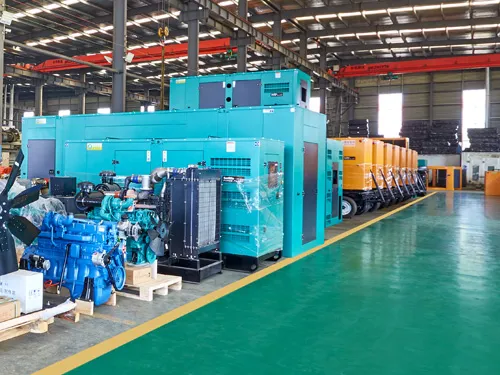
When selecting a diesel generator for high - altitude use, verify:
Manufacturer’s altitude derating curve (validated at target elevation)Turbocharger/intercooler specifications (if applicable)
Cooling system design (e.g., high - altitude radiator upgrades)
4.2 Scenario - Specific Recommendations
Industrial/Heavy - Duty Use (mining, infrastructure): Prioritize generators with turbocharged engines, intercoolers, and altitude - rated cooling systems. Confirm power ratings at the project’s maximum elevation.Residential/Backup Use (mountain communities): For elevations <2,000 meters, standard generators with minor derating may suffice. For >2,000 meters, consider altitude - modified models or consult derating tables.
4.3 Actionable Advice
To ensure optimal power output capacity at altitude, always consult the generator’s technical manual for altitude derating factors. For projects above 2,000 meters, engage with manufacturers like Jiangsu Kaichen Power Equipment Co. to customize high altitude diesel generator solutions tailored to your specific elevation and load requirements.