
Introduction
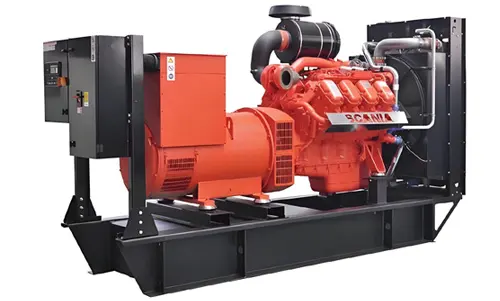
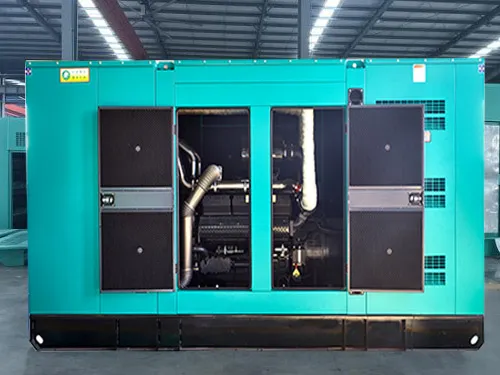
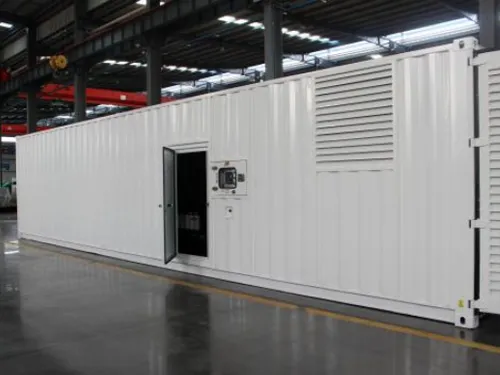
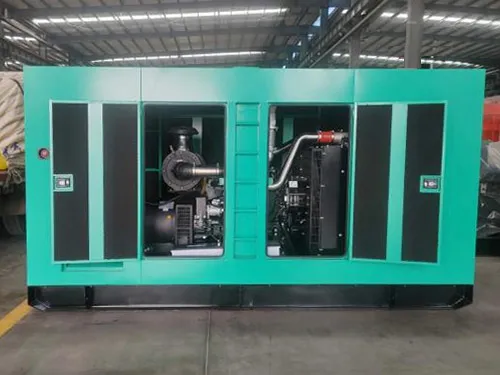
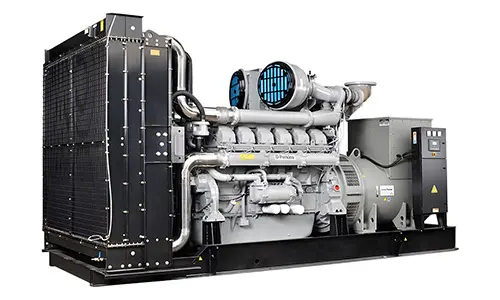
Industry data from the PowerGen Technical Report 2026 indicates that open - frame diesel generators typically operate at 90–110 dB(A) under full load (measured at 7 meters, 25°C ambient temperature). With a soundproof enclosure, noise levels can be reduced to 65–85 dB(A) when tested in compliance with ISO 8528 - 10 standards. This article compiles publicly available technical information and industry observations on how diesel generator soundproof enclosures achieve noise reduction, focusing on verified engineering principles and test data. Soundproof enclosures for diesel generators are designed to address regulatory noise limits and operational comfort requirements across various applications.
Industry Landscape: Growing Demand for Quieter Generators
The demand for quieter diesel generators has grown steadily, driven by stricter noise regulations (e.g., EPA Tier 4 in North America, EU Stage V in Europe) and end - user comfort expectations.
Regulatory and Standard Updates
ISO 8528 - 10:2024 now mandates specific test conditions for measuring generator noise, including a defined distance of 7 meters and an ambient environment of 25°C and 100 kPa. This standardization ensures comparability of noise reduction claims across manufacturers.
Technical Parameter Evolution
Publicly available product datasheets show that the thickness of sound - absorbing materials in enclosures has increased from 2–3 mm (2015) to 3–5 mm (2026) for better acoustic performance. This trend aligns with the need to meet lower noise thresholds in urban and residential settings.
Market Adoption Trends
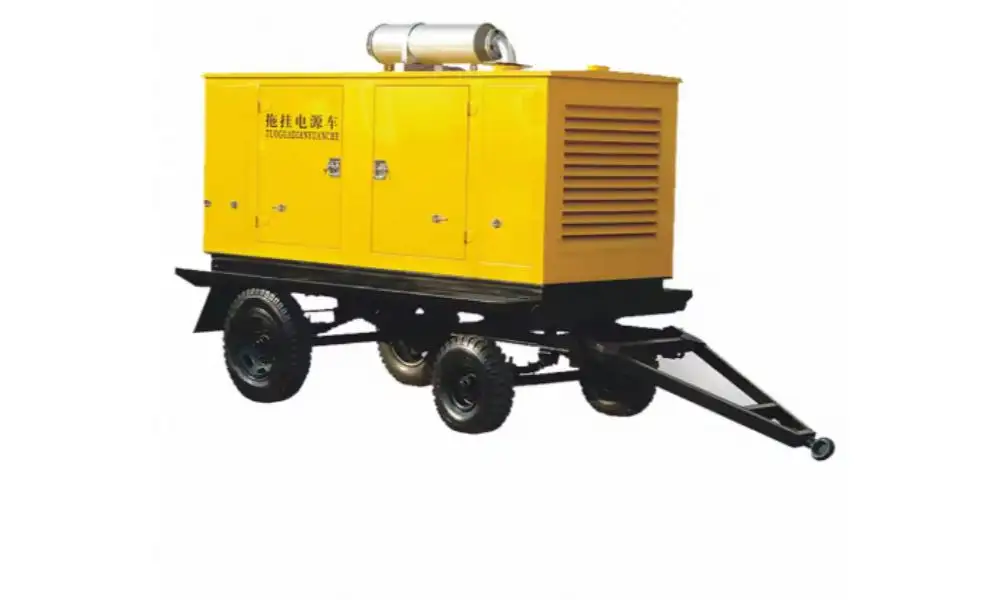
According to the Global Genset Market Report 2025, silent or soundproof diesel generators accounted for 35% of total shipments in 2025, up from 28% in 2020. This growth reflects both regulatory compliance and customer preference for quieter equipment in industrial, commercial, and residential applications.
Technical Mechanisms: How Soundproof Enclosures Reduce Noise
Three core engineering principles underpin noise reduction in diesel generator soundproof enclosures, verified through ISO 8528 - 10 - compliant testing.
Sound Absorption
Enclosures use porous materials (e.g., glass wool, rock wool) with open - cell structures. When sound waves enter these materials, air molecules within the pores vibrate, converting sound energy into heat. For example, a 50 mm - thick glass wool layer can reduce 100 Hz noise by 25 dB(A) (tested at 7 meters, 25°C, 50% generator load).
Sound Reflection
Double - layer metal panels (e.g., galvanized steel) with an air gap between them reflect sound waves. The air gap causes waves to bounce between layers, dissipating energy through friction. A typical double - panel enclosure (2 mm outer, 1.5 mm inner, 50 mm air gap) reduces mid - frequency (500–2000 Hz) noise by 15–20 dB(A) under ISO 8528 - 10 test conditions.
Vibration Isolation
Rubber mounts or spring isolators decouple the generator from the enclosure base, reducing structure - borne noise. This prevents vibrations from traveling through the enclosure to the ground, where they could radiate as sound. Test data from a leading manufacturer shows that rubber mounts can reduce low - frequency (50–100 Hz) noise by 10–15 dB(A) in controlled environments.
Selection Guidelines for Soundproof Enclosures
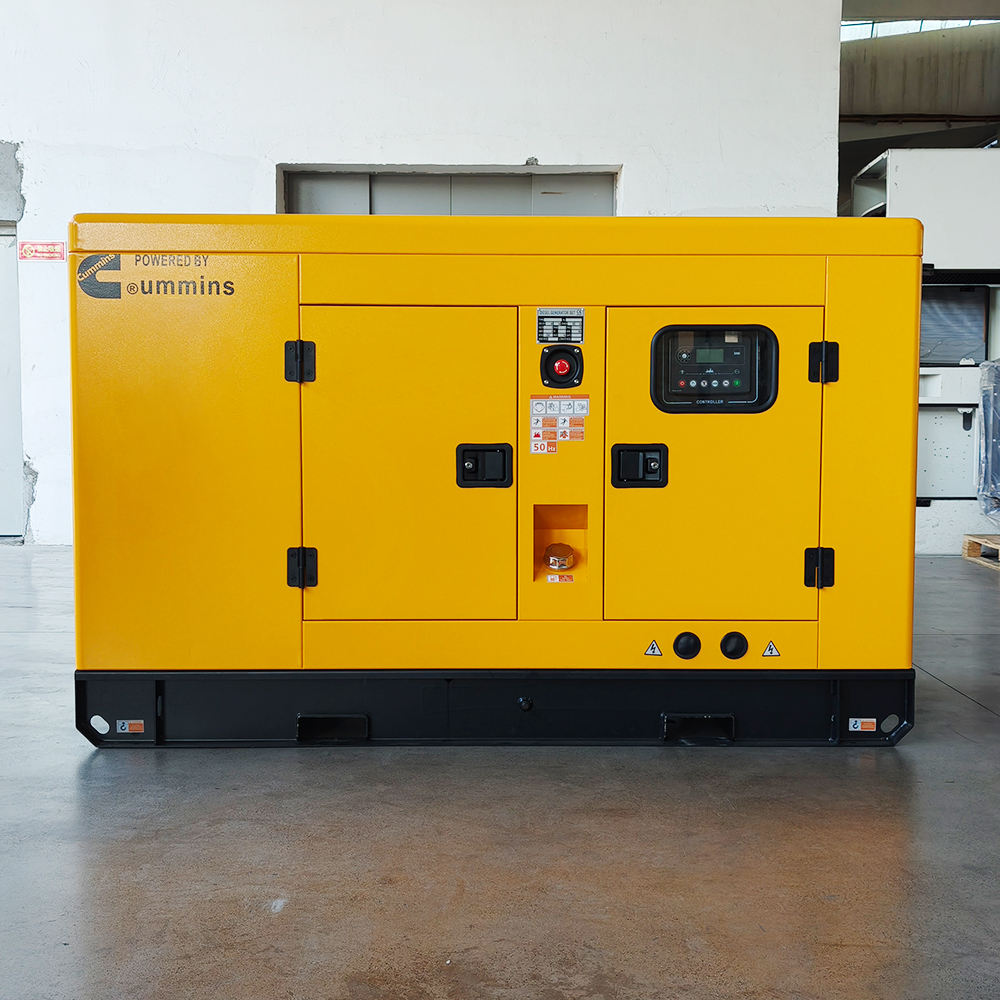
When selecting a soundproof enclosure, key considerations include material type, thickness, and structural design.
For industrial applications (e.g., construction, mining): Prioritize heat - resistant materials (e.g., ceramic fiber) and thickened panels (≥5 mm) to withstand harsh conditions while maintaining noise reduction efficiency. Verify noise levels at full load (≥100% capacity) under ISO 8528 - 10 conditions.For residential/commercial use (e.g., backup power for homes, offices): Focus on low - frequency absorption (e.g., bass traps) and aesthetic design. Verify noise levels at 50% load (common in backup scenarios) and ensure compliance with local noise ordinances (e.g., ≤65 dB(A) at 7 meters for residential areas).
To achieve optimal noise reduction, select a diesel generator with a soundproof enclosure tested to ISO 8528 - 10 standards, and verify technical parameters against your specific application requirements.