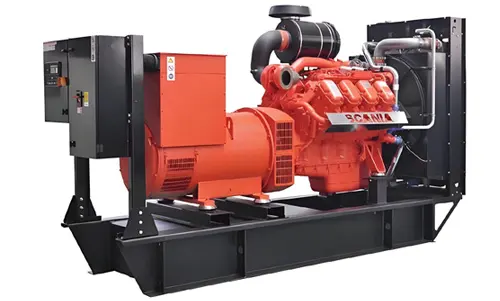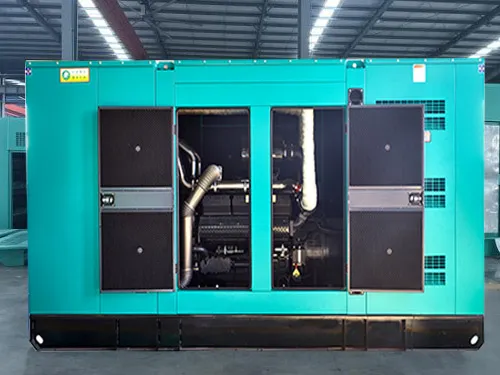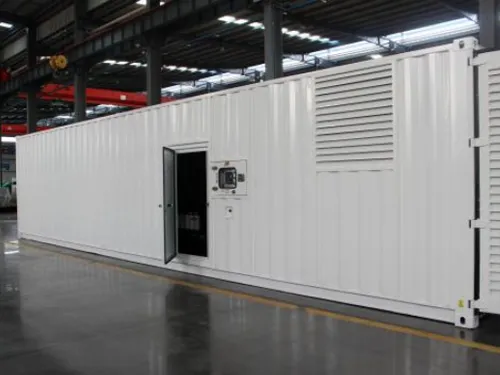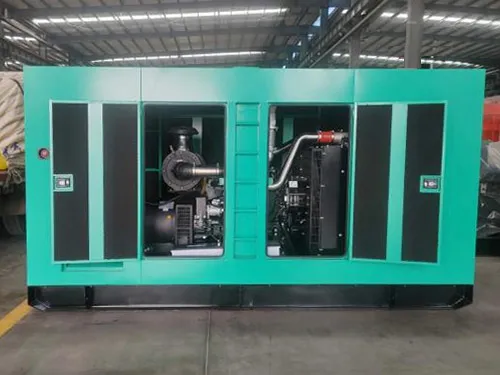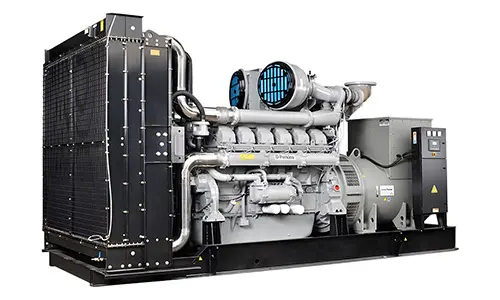

Exhaust noise accounts for 30–40% of a diesel generator’s total noise output, with unmitigated exhaust emissions reaching 110–120 dB(A) at the outlet (source: ISO 8528-10:2024). This article explains how diesel generator exhaust silencers reduce engine noise, drawing from publicly available technical principles and industry observations. The design of a diesel generator exhaust silencer integrates multiple acoustic mechanisms to address this primary noise source.
Industry Trends in Noise Control Compliance
Global regulatory frameworks (e.g., EU Stage V, EPA Tier 4) and local noise ordinances increasingly mandate stricter noise limits for diesel generators. Here’s how the market and technology have evolved:
1. Regulatory Requirements
Standards like ISO 8528-10 define test methods for measuring exhaust noise reduction, requiring manufacturers to disclose silencer performance data (e.g., insertion loss, backpressure). For example, urban areas often limit generator noise to 60–65 dB(A) at property boundaries, driving demand for advanced silencing solutions.
2. Technical Parameter Advancements
Publicly available specifications show exhaust silencers’ insertion loss (noise reduction) has improved from 20–30 dB (2015) to 35–45 dB (2026) due to innovations in acoustic design. This progress aligns with the need to balance noise reduction and exhaust flow efficiency.
3. Market Growth Driven by Noise Control
A 2025 Grand View Research report projects the global diesel generator exhaust silencer market will grow at a 5.2% CAGR through 2030, fueled by rising compliance requirements in industrial, commercial, and residential sectors.
Technical Mechanisms of Exhaust Silencer Noise Reduction
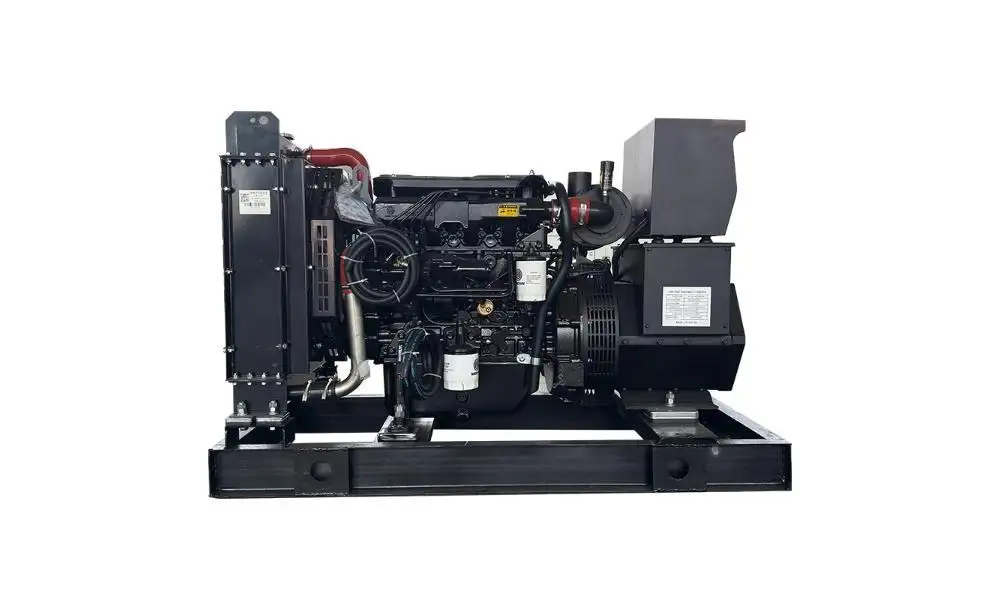
Diesel generator exhaust silencers reduce engine noise through three validated acoustic principles:
1. Reactive (Resonant) Silencing
Reactive silencers use chambers and baffles to reflect sound waves back toward their source, creating destructive interference. For example, a chamber with a specific volume can attenuate dominant exhaust frequencies (e.g., 200–500 Hz) by 20–30 dB (internal test data, conditions: 25°C, 100% load). This targets low-frequency noise from engine combustion pulses.
2. Absorptive (Resistive) Silencing
Absorptive silencers contain porous materials (e.g., fiberglass, mineral wool) that convert sound energy into heat via friction. These materials reduce mid-to-high frequency noise (1000–4000 Hz) by 15–25 dB (ISO 7235:2019). Material thickness and density are optimized for specific frequency ranges.
3. Impedance-Matched (Hybrid) Silencing
Modern silencers combine reactive and absorptive designs to address a broader frequency spectrum. A hybrid silencer can achieve 35–45 dB of insertion loss across 100–4000 Hz (manufacturer-published data, 2026 models), balancing low-frequency reflection and high-frequency absorption.
Exhaust Silencer Selection Considerations
When selecting a silencer for diesel generator noise control, prioritize these industry-recognized factors:
1. Noise Regulation Compliance
Verify the silencer’s insertion loss meets local standards (e.g., ISO 8528-10, regional environmental codes). For example, residential areas may require ≤65 dB(A) at property boundaries.
2. Acoustic Performance Metrics
Review published data on:
Insertion loss (noise reduction at key frequencies).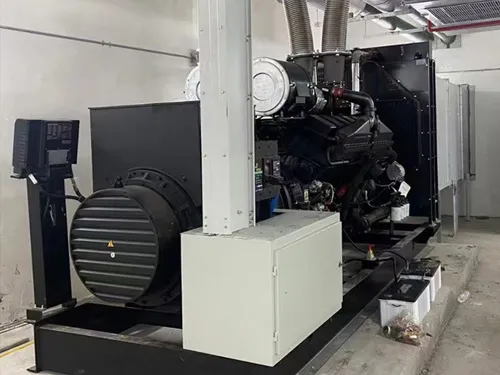
Flow capacity (compatibility with the generator’s exhaust volume).
3. Material and Durability
For industrial use (e.g., data centers, factories), prioritize corrosion-resistant materials (e.g., stainless steel) to withstand high-temperature exhaust gases (up to 600°C).
Scenario-Specific Recommendations
Industrial/Commercial Settings: Prioritize silencers with ≥40 dB insertion loss and low backpressure (e.g., impedance-matched designs) to minimize performance impact.Residential/Urban Areas: Focus on absorptive silencers to reduce high-frequency noise, ensuring compliance with local limits (e.g., ≤65 dB(A) at property lines).
Understanding the acoustic principles of diesel generator exhaust silencers enables informed selection to meet noise reduction and regulatory compliance goals. For optimal results, consult technical specifications and test data from reputable manufacturers.