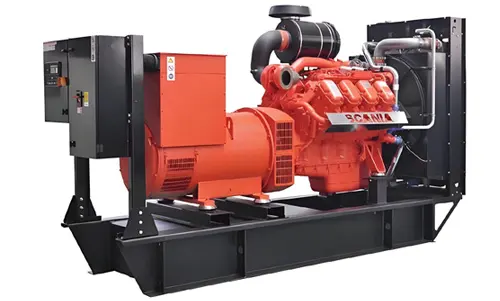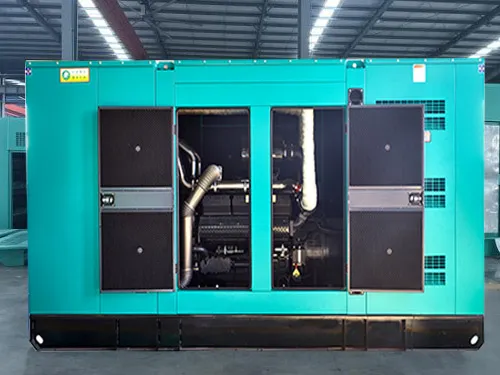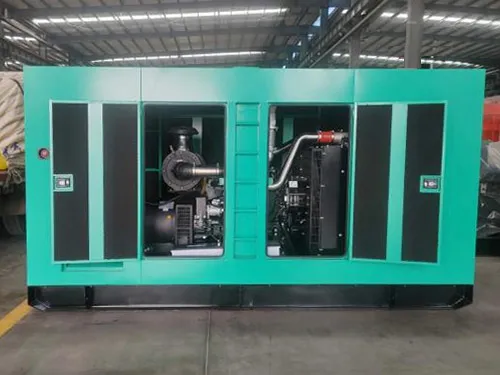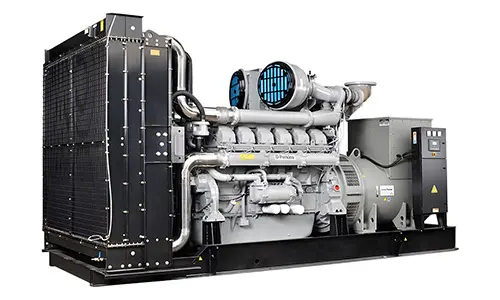

EPA Tier 4 emission standards have become a critical benchmark for diesel generator sets in North American markets. According to the EPA’s 2026 Regulatory Update, over 85% of newly manufactured diesel generator sets are required to meet Tier 4 requirements for non - road diesel engines. This article compiles publicly available technical information and industry observations on how modern diesel generator sets achieve EPA Tier 4 emission compliance. Modern diesel generator sets increasingly integrate design features to meet EPA Tier 4 emission standards, addressing environmental regulations and operational efficiency demands.
Industry Landscape of EPA Tier 4 Compliance
Across North American industrial sectors, compliance with EPA Tier 4 has shifted from a regulatory requirement to a market expectation.
Regulatory Standard Evolution
The EPA Tier 4 final stage mandates a 90% reduction in nitrogen oxides (NOₓ) and particulate matter (PM) emissions compared to Tier 3 for non - road diesel engines (source: EPA 40 CFR Part 1039). This has driven design changes in modern diesel generator sets, such as the adoption of advanced after - treatment systems.
Technical Parameter Shifts
Modern generator sets commonly use selective catalytic reduction (SCR), diesel particulate filters (DPF), or exhaust gas recirculation (EGR) to meet Tier 4. According to Cummins’ 2026 Technical Manual, SCR - equipped units consume urea at a rate of 2–5% of fuel consumption. These systems add complexity but enable compliance with strict emission limits.
Market Adoption Trends
PowerGen Market Report 2026 data shows that EPA Tier 4 - compliant diesel generator sets accounted for 92% of North American shipments in 2026, up from 45% in 2020. This reflects both regulatory pressure and end - user demand for cleaner power solutions.
Technical Reference for Compliance Verification
The following three steps are based on EPA regulations and industry best practices to verify Tier 4 compliance:
Verify Emission Control System Type
Identify if the unit uses SCR, DPF, or EGR. Key criteria: Units <75 kW often use DPF + diesel oxidation catalyst (DOC), while >75 kW units typically integrate SCR + DOC (source: EPA Certification Database).
Check Certification Documentation
Validate the EPA certificate number via the official EPA database (https://www.epa.gov/). Ensure the engine model and generator set configuration match the certified specifications.
Review Maintenance Requirements
Consult the manufacturer’s maintenance manual. For example, DPF cleaning intervals typically range from 2,000–5,000 hours, and SCR systems require regular urea quality checks. All emission data is measured at standard atmospheric conditions (25°C, 100 kPa); actual performance may vary with altitude, temperature, and load.
Selection Reference for Tier 4 - Compliant Sets
General Considerations
Prioritize emission compliance documentation, maintenance complexity, and fuel efficiency.
Application - Specific Recommendations
For industrial applications: Focus on continuous - duty compliance, DPF/SCR service accessibility, and load - based emission performance.For commercial backup power: Evaluate low - load emission control (e.g., EGR performance at partial loads) and space - efficient after - treatment systems.
When selecting modern diesel generator sets, prioritize models with transparent EPA Tier 4 certification and proven after - treatment system reliability to ensure regulatory compliance and operational efficiency.