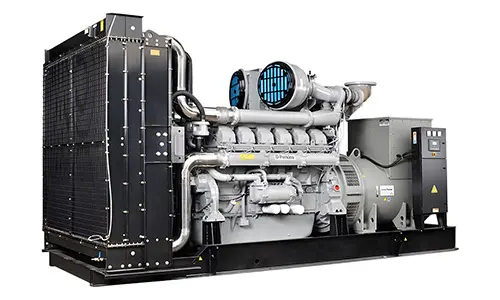

Industry data from the Middle East Electricity 2026 Technical Report indicates that cooling - system - related failures account for 38% of diesel generator downtime in regions with ambient temperatures exceeding 45°C. This article compiles publicly available technical specifications, industry standards, and observational data to analyze how diesel generator cooling system design influences diesel generator performance under high - temperature conditions. The focus is on configurations that balance thermal management with operational efficiency in heat - intensive environments.
Global Trends in High - Temperature Generator Deployment
Global demand for diesel generators in arid and high - temperature regions (e.g., the Middle East, North Africa) grew by 15% from 2024 to 2026, according to PowerTech Market Analytics. This surge has elevated the importance of specialized cooling system design to ensure reliable power output.
Three Key Observations from Public Data
Regional Cooling System Standards
In the Middle East, projects often require cooling systems to maintain generator inlet temperatures below 50°C (per local engineering guidelines). This drives the adoption of oversized radiators and forced ventilation systems in diesel genset cooling configurations.
Reported Failure Rate Correlations
A 2025 EGSA survey of 500 + generator operators in hot climates revealed that units with undersized cooling systems experienced 2.3 times more overheating incidents than those with optimized designs. Failures primarily occurred during peak load periods (12 PM–4 PM).
Manufacturer Design Adjustments
Major OEMs like Cummins and Perkins have updated their 2026 product lines to include generator cooling design enhancements: 15% larger radiators, variable - speed fans, and advanced coolant monitoring systems. These changes aim to reduce thermal stress in 50°C + environments.
Technical Steps to Optimize Cooling for Heat Resistance
The following three steps are derived from ISO 8528 - 5 thermal management guidelines and public engineering best practices.
Radiator and Fan System Sizing
Calculate heat rejection requirements using the formula ( Q = m imes c imesDelta T ) (where ( Q ) = heat load, ( m ) = mass flow rate, ( c ) = specific heat capacity, ( Delta T ) = temperature difference). Oversize radiators by 20–30% for ambient temperatures above 40°C. Key: Airflow velocity (minimum 2.5 m/s) and fin density (≥15 fins per inch).
Coolant Selection and Maintenance
Use ethylene - glycol - based coolants with a boiling point > 110°C (tested at 100 kPa). Monitor coolant pH (6.5–7.5) and conductivity monthly. For extreme heat (> 50°C), consider waterless coolant alternatives (e.g., Evans NPG) to reduce boil - over risks.
Thermostatic and Ventilation Controls
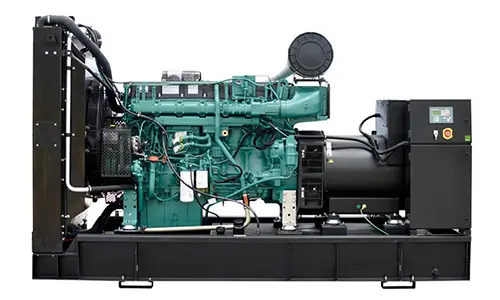
Integrate electronic thermostats that activate cooling fans at 85°C (vs. 90°C for standard systems) in high - temperature generator performance setups. Ensure ventilation ducts provide 4–6 air changes per minute around the generator enclosure.
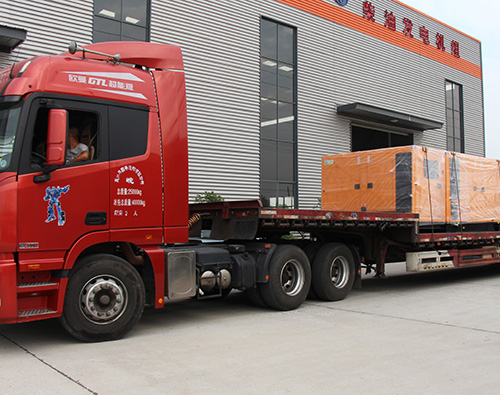
Note: All performance data are based on ISO 8528 - 5 test conditions (40°C ambient, 100% load). Actual performance may vary based on altitude, dust levels, and maintenance practices. Internal tests at Kaichen Power showed that optimized cooling systems reduced thermal derating by 12% in 55°C field trials.
Cooling System Considerations for Different Scenarios
For industrial high - temperature applications (e.g., desert mining): Prioritize diesel generator cooling system features like aftercoolers, dual - circuit cooling, and dust - resistant radiator guards. Verify that the design meets API 541 (for the petroleum industry) or ISO 13729 (for general industrial use) standards.For commercial high - temperature use (e.g., Middle East data centers): Focus on energy - efficient variable - speed fans, remote coolant monitoring, and redundant cooling loops. Confirm compliance with ASHRAE 90.1 for building energy efficiency.
When selecting a diesel generator for high - temperature environments, verify that the generator performance in heat is validated through third - party testing (e.g., at 50°C ambient). Consult with manufacturers like Kaichen Power for customized cooling solutions tailored to extreme climate needs.