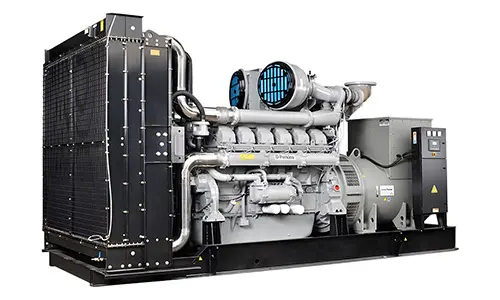

Industry data from the PowerGen Maintenance Report 2026 indicates that fuel system issues account for approximately 30% of unscheduled diesel generator downtime events. These issues often involve leaks, contamination, or clogged filters, which can disrupt power supply reliability. This article compiles publicly available technical information and industry observations on inspecting diesel generator fuel systems for leaks and contamination. Proper inspection of the diesel generator fuel system is critical to maintaining operational efficiency and compliance with emission standards.
Current Landscape of Diesel Generator Fuel System Maintenance
Stringent Emission Standards Drive Fuel System Requirements
Regulatory updates like EPA Tier 4 and EU Stage V now mandate stricter fuel cleanliness levels (ISO 4406 cleanliness code ≤ 18/16/13) to reduce particulate matter emissions. These standards directly impact fuel system inspection protocols, as even minor contamination can cause injector wear or sensor malfunctions.
Publicly Reported Downtime Data
According to the International Association of Generator Manufacturers (IAGM) 2026 survey, fuel leaks and contamination cause an average of 2.5 hours of unscheduled downtime per incident. Leaks often occur at hose connections (45% of cases) or faulty seals (30% of cases), based on the survey’s anonymized field data.
Evolution of Fuel Filtration Technologies
Market research by Frost & Sullivan shows that demand for advanced fuel filtration systems (with water separators and multi - stage filtration) grew by 15% from 2024 to 2026. These systems are designed to prevent contamination - related failures, underscoring the industry’s focus on proactive inspection.
Step - by - Step Inspection Methods for Fuel System Integrity
The following three steps align with industry best practices (per ISO 8528 - 9) and are recommended for routine fuel system inspections.
1. Visual Inspection of Components
Inspect fuel lines, hoses, and connections for visible signs of leakage (wet spots, fuel odors) or damage (cracks, abrasions).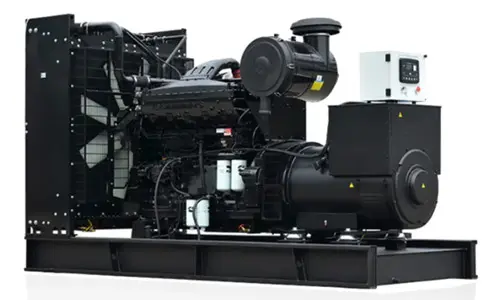
Check fuel tank seams, caps, and drain valves for corrosion or improper sealing.
Key indicators: Presence of fuel stains, loose clamps, or damaged O - rings.
2. Pressure Testing for Leak Detection
Isolate the fuel system and apply regulated pressure (per the manufacturer’s specifications, typically 10 - 15 psi for low - pressure systems).Monitor pressure decay over 30 minutes using a calibrated gauge. A pressure drop > 1 psi indicates a leak.
Test conditions: Ambient temperature 20 - 25°C, system depressurized before disassembly.
3. Fuel Sampling and Contamination Analysis
Collect fuel samples from the tank bottom (where contaminants settle) and filter housing.Use a particle counter (per ISO 4406) to measure particulate levels, and a water detection kit for moisture content.
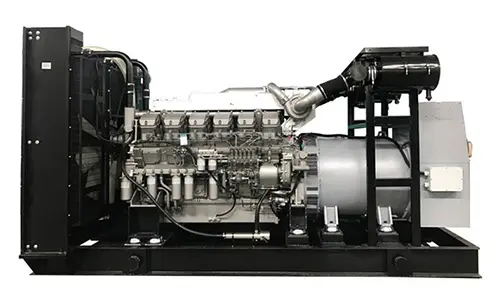
Typical contamination thresholds: ≤ 18/16/13 for particulates (ISO code) and ≤ 50 ppm for water (ASTM D6304).
Note: Inspection results may vary based on fuel type (diesel vs. biodiesel blends), storage duration, and environmental conditions. Always refer to the generator’s operation manual for model - specific procedures.
Maintenance and Component Selection Reference
Factors to Consider for Effective Fuel System Inspection
Routine inspection effectiveness depends on both procedures and equipment quality.
For industrial/commercial generators: Prioritize high - precision pressure gauges (±0.5 psi accuracy) and ISO 4406 - compliant particle counters. Verify compatibility with the generator’s fuel system design (e.g., common rail vs. mechanical injection).For residential/backup generators: Focus on portable fuel sampling kits and visual inspection tools (UV leak detection lights). Check local regulations for fuel storage and spill containment.
When selecting inspection tools, ensure they meet the generator’s fuel system specifications. Regular inspections (monthly for critical systems, quarterly for backup units) and proactive component replacement (filters, seals) are key to preventing leaks and contamination.