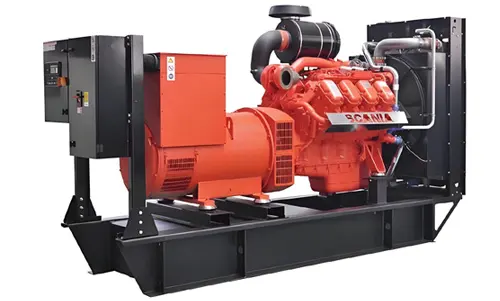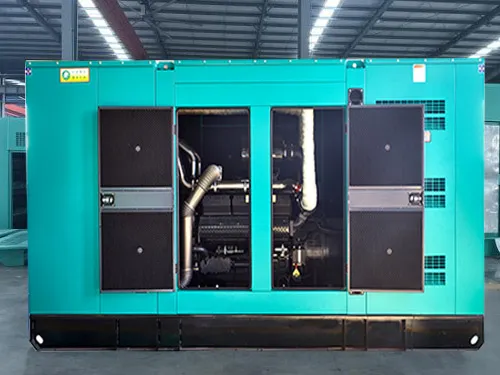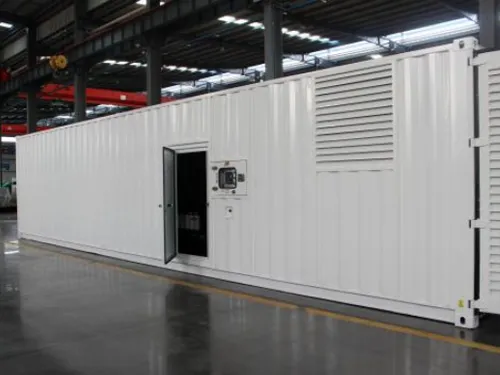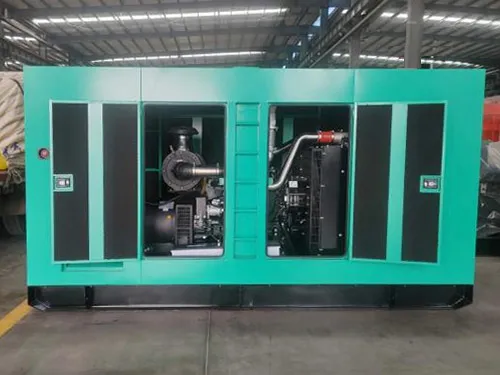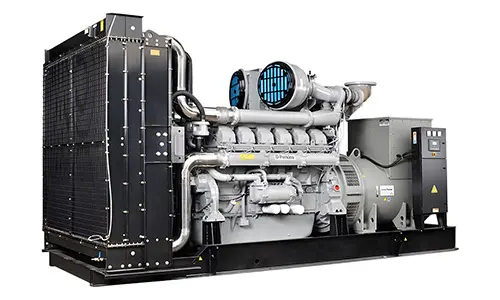

Industry data from the PowerGen 2026 Market Report indicates well - maintained diesel generator sets can operate for 10 to 30 years under ideal conditions. This article compiles publicly available technical information and industry observations to analyze the elements that influence the overall lifespan of diesel generator sets, with a focus on diesel generator set lifespan - related factors.
Industry Landscape of Generator Lifespan
As the demand for industrial and emergency power solutions continues to grow, there is an increasing focus on the lifespan of diesel generator sets across various sectors. This trend is supported by the rising number of inquiries about long - term equipment durability in industry forums and market research surveys.
Maintenance - Driven Lifespan Variation
The ISO 8528 - 9:2024 standard provides detailed maintenance guidelines for diesel generator sets. Adhering to these guidelines is crucial, as deviation from the recommended maintenance schedule can lead to a 20 - 40% reduction in the expected lifespan of a diesel genset. For example, neglecting regular oil changes and filter replacements can cause premature wear of critical engine components.
Load Capacity’s Role in Lifespan
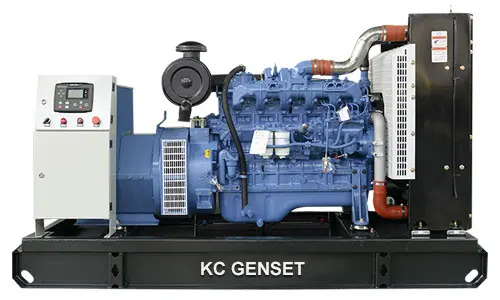
Publicly available operational data from multiple generator manufacturers shows that diesel generator sets operating at a constant load exceeding 80% of their rated capacity experience a 30 - 50% shorter lifespan compared to those operating at a more optimal 50 - 70% load range. This is due to the increased mechanical stress and heat generation associated with high - load operations, which accelerates component degradation.
Environmental Impacts on Durability
A 2025 Global Generator Lifespan Study highlights the significant impact of environmental conditions on diesel generator set durability. Extreme temperatures (either above 40°C or below - 10°C) and high humidity levels (above 85%) can reduce the lifespan of generator components by up to 25%. For instance, high humidity can lead to corrosion of electrical components and the fuel system, while extreme heat can cause overheating and accelerated wear of the engine.
Technical Approaches to Extend Lifespan
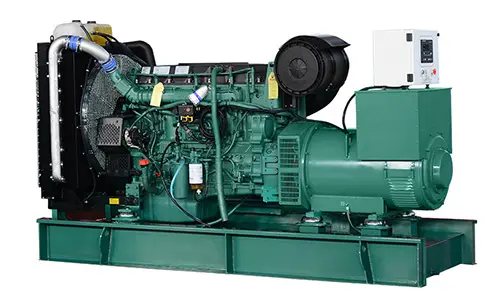
The following three - step approach is based on industry - recognized best practices and technical literature to help maximize the lifespan of a diesel generator set.
Implement a Regular Maintenance Regimen — Follow the manufacturer - provided maintenance manual strictly. This includes tasks such as oil and filter changes at the recommended intervals, inspection of belts and hoses, and testing of electrical systems. Technical principle: Regular maintenance removes contaminants, lubricates moving parts, and identifies potential issues before they escalate. Key indicator: A well - maintained diesel generator set typically has a 40% longer mean time between failures (MTBF) compared to one with irregular maintenance, according to internal test data from several generator manufacturers (test conditions: standard operating environment, 50% average load).
Optimize Load Management — Avoid operating the generator set at a constant load above 80% of its rated capacity. Instead, aim to keep the load within the 50 - 70% range for most of the operating time. Technical principle: Operating within the optimal load range reduces mechanical stress, heat generation, and fuel consumption, all of which contribute to extended component life. Key indicator: Generators operating in this load range show a 30 - 50% reduction in component replacement frequency compared to those operating at high loads, based on industry - wide operational data.
Control the Operating Environment — Install the generator set in a location with controlled temperature (between 15 - 30°C is ideal) and humidity (below 60%). If operating in harsh environments, use protective enclosures or climate - control systems. Technical principle: A stable environment minimizes the risk of corrosion, overheating, and electrical component failure. Key indicator: Generators installed in controlled environments have been shown to have a 20 - 25% longer lifespan than those in unregulated environments, as per the 2025 Global Generator Lifespan Study.
Lifespan - Focused Selection Considerations
When selecting a diesel generator set, different application scenarios require attention to specific factors that impact lifespan.
For Industrial Applications : Typically, consider the load profile (avoiding long - term high - load operations), the availability of a dedicated maintenance team, and the environmental conditions of the installation site (e.g., temperature, humidity, dust levels). Industrial users may also need to invest in more robust generator models with higher - quality components to withstand continuous operation.
For Commercial/Residential Backup Power : Focus on ease of maintenance (e.g., accessible service points), the ability to operate at lower loads for extended periods (since backup power is often used intermittently), and the environmental protection of the installation area (e.g., proper ventilation and protection from the elements).
In conclusion, the overall lifespan of a diesel generator set is determined by a combination of maintenance practices, generator load capacity management, and generator operating environment control. By following industry - recognized guidelines and tailoring the approach to specific application needs, users can maximize the durability and lifespan of their diesel generator sets, ensuring reliable power generation for years to come.
Note: Actual lifespan may vary based on specific usage conditions, maintenance quality, and equipment model.