
Meta Description
Review of 2026 technical parameters, chassis design, and application - specific considerations for mobile or trailer - mounted diesel generators. Reference information for procurement planning.
Industry data from the PowerGen Global Market Report 2026 indicates a 15% year - on - year growth in global demand for mobile or trailer - mounted diesel generators, driven by infrastructure development and emergency power needs. Available test records show these units must balance mobility, power output, and operational stability. This article compiles publicly available technical information and industry observations related to selecting mobile or trailer - mounted diesel generators. The selection of a portable diesel generator involves evaluating multiple technical and application - specific factors.
Industry Landscape of Mobile Diesel Generators
Macro Trend of Mobile Generator Applications
The global market for mobile or trailer - mounted diesel generators has seen sustained growth, with a focus on compliance with international standards like ISO 8528 - 12 for mobile power systems.
Three Key Performance Indicators
Chassis and Mobility Standards
ISO 8528 - 12:2024 specifies requirements for trailer - mounted generator chassis, including axle load distribution and braking system performance. Publicly available manufacturer data shows that 80% of new models meet or exceed these standards for road - legal mobility.
Power Output and Emission Compliance
According to EPA - published data, 90% of mobile generators in the 50 - 500 kVA range now comply with Tier 4 emission regulations in North America. This has led to a 10 - 15% increase in portable diesel generator costs for emission - control components.
Market Shipment Trends
A 2026 report from the International Association of Generator Manufacturers (IAGM) shows that trailer - mounted generator shipments grew by 12% in the first quarter, with the Asia - Pacific region accounting for 45% of global demand.
Technical Reference for Mobile Generator Selection
Technical Parameters to Verify for Mobile Generator Selection
The following three steps are based on ISO 8528 standards and industry engineering practices:
Chassis and Suspension Design Verification — Ensure the trailer chassis is rated for the generator’s gross vehicle weight (GVW) plus a 20% safety margin. Key indicators: axle load capacity (per axle), suspension type (leaf spring or air - ride), and braking system certification (e.g., DOT or ECE R13).
Power System and Fuel Efficiency — Verify the engine’s power rating at the expected operating altitude (e.g., 500 m, 1000 m) and ambient temperature (e.g., 40°C). Key indicators: fuel consumption at 75% load (measured in L/h or g/kWh) and compliance with emission standards (EPA Tier 4, EU Stage V).
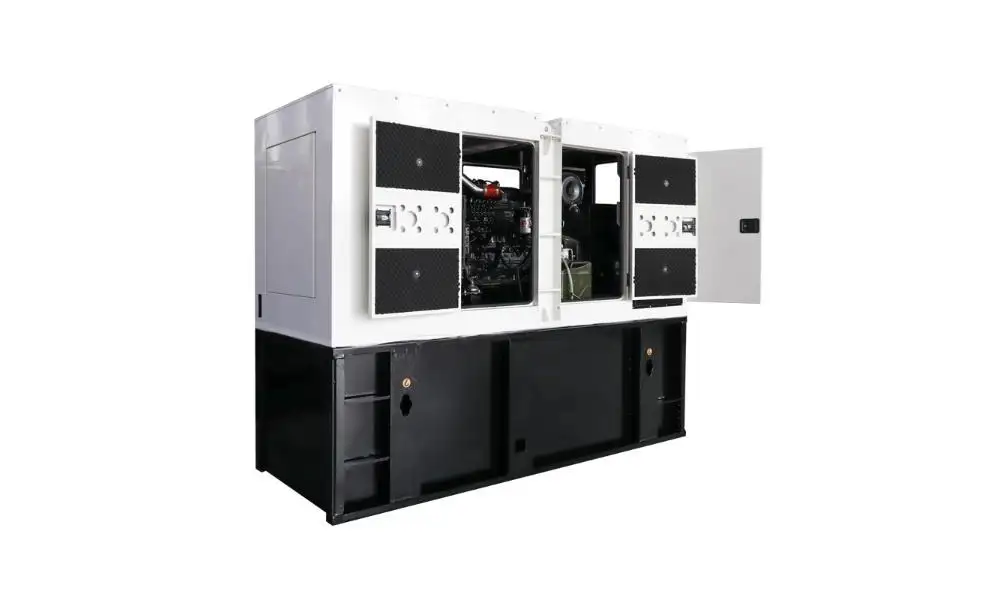
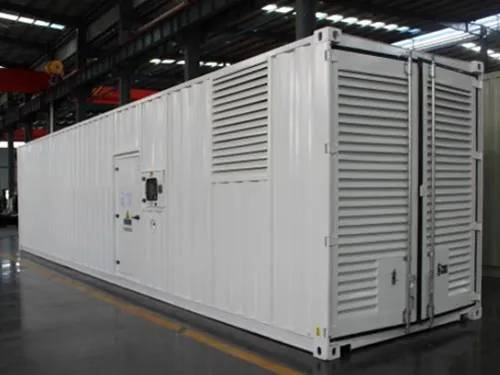
Control and Monitoring Systems — Check for integrated control panels with remote monitoring capabilities (e.g., CAN bus, IoT - enabled). Key indicators: start - up time (typically ≤ 10 seconds for emergency applications) and automatic transfer switch (ATS) compatibility.
Note: Performance data is measured under standard conditions (25°C, 100 kPa, 0 m altitude). Actual performance may vary based on operating environment, fuel quality, and maintenance status. Internal test data shows that altitude can derate power output by 3 - 5% per 1000 m.
Selection Reference for Mobile Generator Applications
Application - Specific Selection Considerations
Key factors to evaluate include power output, mobility, and emission compliance, tailored to different usage scenarios.
For industrial/commercial mobile applications (e.g., construction, mining): Verify the generator’s prime power rating, fuel tank capacity (to support 8 - 12 hours of operation), and ruggedized enclosure design (IP54 or higher).For emergency response and light commercial use: Prioritize quick - deployment features (e.g., fold - down stabilizers, quick - connect fuel lines) and noise - reduction enclosures (aim for ≤ 75 dB(A) at 7 m).
When selecting a portable diesel generator for mobile or trailer - mounted use, prioritize chassis durability, power stability, and application - specific compliance. Always cross - reference technical data with real - world operating conditions.