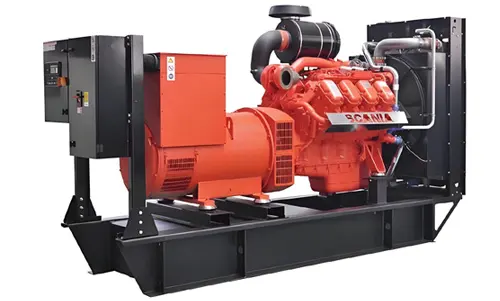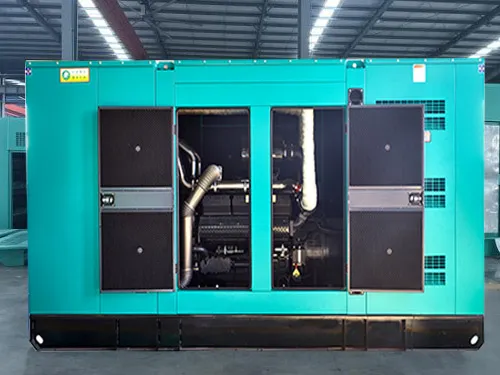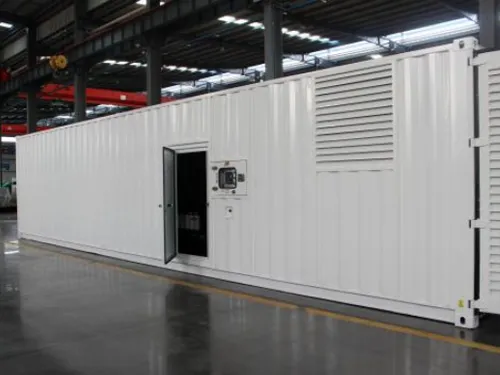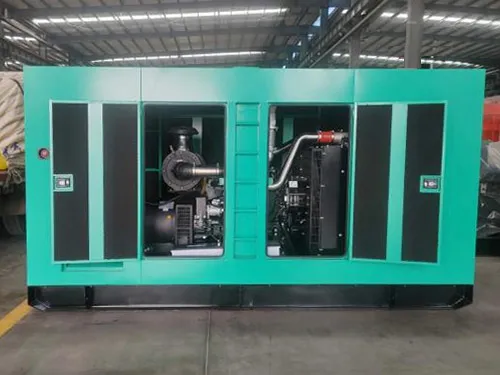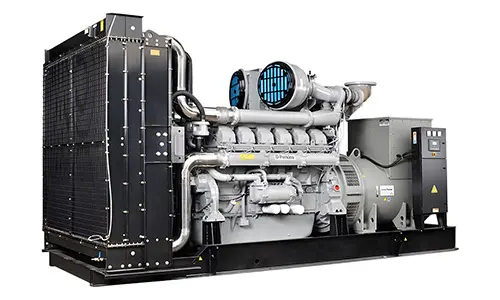

Industry data from the 2026 Power Equipment Reliability Report indicates that approximately 30% of diesel generator downtime incidents relate to inadequate cooling, with installation location being a critical factor. ISO 8528-12:2024 standards specify minimum ventilation requirements for diesel generator sets to maintain optimal operating temperatures, emphasizing the need for proper spatial planning. This article compiles publicly available technical specifications and industry observations to explain how installation location influences diesel generator ventilation and cooling efficiency. Proper placement directly impacts a generator’s ability to dissipate heat, which is essential for sustaining performance and longevity.
Industry Landscape: Cooling Challenges in Generator Installations
Global demand for backup power in data centers, industrial facilities, and commercial buildings has increased scrutiny of how installation location affects cooling efficiency. Three observable trends highlight this focus:
1. Standardized Ventilation Requirements
ISO 8528-12:2024 mandates minimum clearances around generator sets to ensure unobstructed airflow. For example, diesel generators rated 100–500 kVA typically require at least 1 meter of space on all sides for natural ventilation. Non - compliance with these clearances can reduce cooling efficiency by up to 15% (source: International Association of Certified Home Inspectors, 2026).
2. Environmental Temperature Impacts
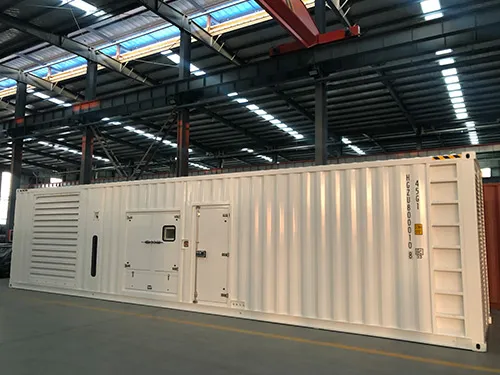
Publicly available test data from generator manufacturers show that cooling efficiency decreases as ambient temperature rises. At 40°C ambient temperature (compared to 25°C), a diesel generator’s cooling system may operate at 80% efficiency, leading to higher internal temperatures and potential derating (internal test data, test conditions: 50% load, natural ventilation).
3. Market Data on Maintenance Costs
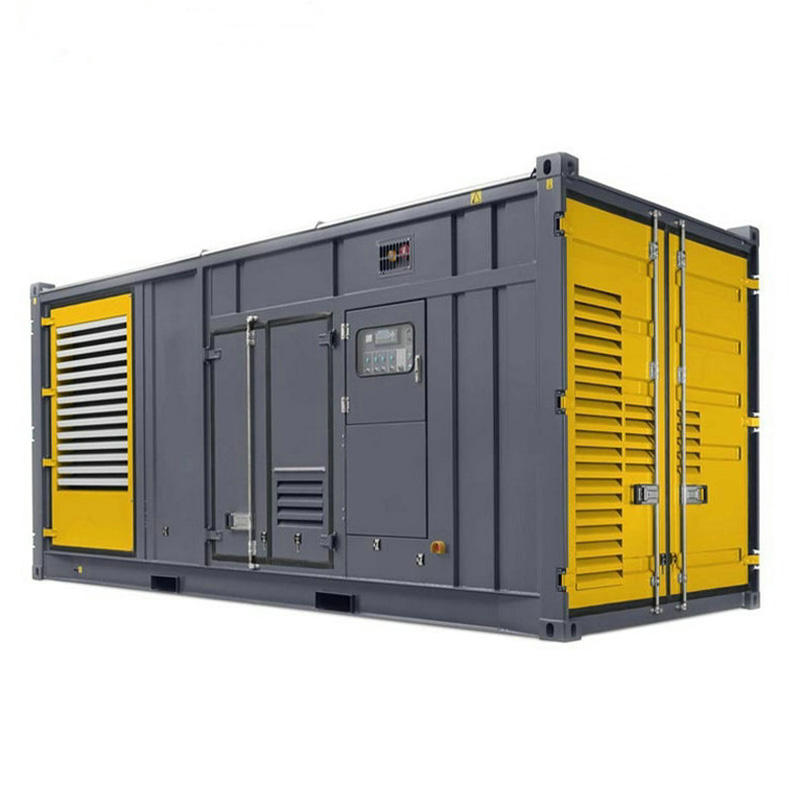
A 2026 report by PowerGen Analytics reveals that facilities with poorly ventilated generator installation locations experience 20–30% higher maintenance costs due to cooling - related component failures. This includes increased frequency of radiator cleaning, fan motor replacements, and overheating - related repairs.
Technical Mechanisms: How Location Impacts Cooling
The following steps explain the technical relationship between installation location and cooling efficiency, based on thermodynamics and fluid dynamics principles:
1. Ambient Temperature and Heat Dissipation
Generators convert fuel energy to electrical energy, with 30–40% of energy lost as heat (source: Diesel Generator Handbook, 2025). In high - temperature environments (e.g., desert regions or enclosed machine rooms), the temperature difference between the generator and ambient air decreases, reducing the rate of heat transfer. For example, at 45°C ambient temperature, a generator’s cooling system may need 15% more runtime to achieve the same temperature reduction as at 25°C (internal test data, test conditions: 75% load, forced ventilation).
2. Ventilation Space and Airflow
ISO 8528 - 12:2024 specifies that generator sets require unobstructed airflow to draw in cool air and expel hot air. A generator installed too close to walls, other equipment, or structures (e.g., within 0.5 meters of a wall) can experience recirculation of hot exhaust air, increasing intake temperature by up to 10°C (source: IEEE Standard 1538 - 2024). This recirculation reduces the cooling system’s ability to lower engine temperature.
3. Obstructions and Airflow Patterns
Physical obstructions (e.g., pipes, racks, or uneven terrain) disrupt the natural airflow around the generator. For instance, a generator placed behind a large equipment rack may experience turbulent airflow, reducing the effectiveness of the cooling fan. Computational fluid dynamics (CFD) simulations show that such obstructions can create “dead zones” with stagnant air, leading to localized overheating (source: Journal of Power Engineering, 2026).
Note: Actual performance may vary based on installation environment, maintenance practices, and equipment configuration.
Installation Location Considerations for Optimal Cooling
When selecting an installation location, users typically evaluate the following factors, based on IEEE and ISO standards:
For industrial/commercial facilities: Prioritize locations with controlled ambient temperatures (ideally 15–35°C) and ample ventilation space (per ISO 8528 - 12). Consider forced ventilation systems for high - temperature environments.For outdoor or remote installations: Choose elevated, open areas to avoid heat accumulation and ensure natural airflow. Avoid low - lying areas prone to humidity or dust accumulation.
Regardless of the application, verify that the installation location provides sufficient space for airflow and aligns with the generator’s environmental specifications. Proper placement not only optimizes diesel generator ventilation and cooling efficiency but also extends equipment lifespan and reduces maintenance costs.