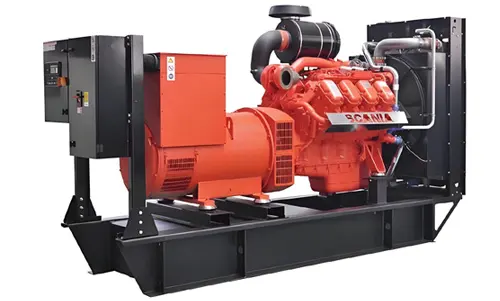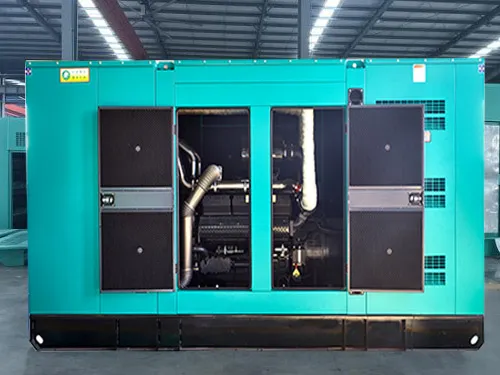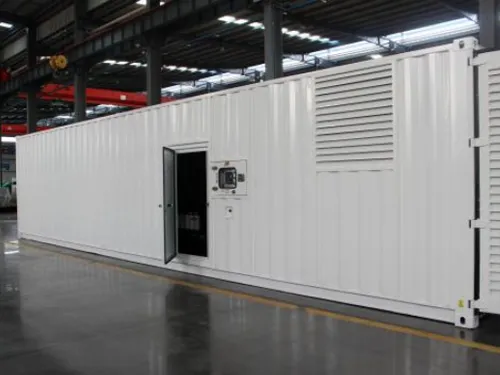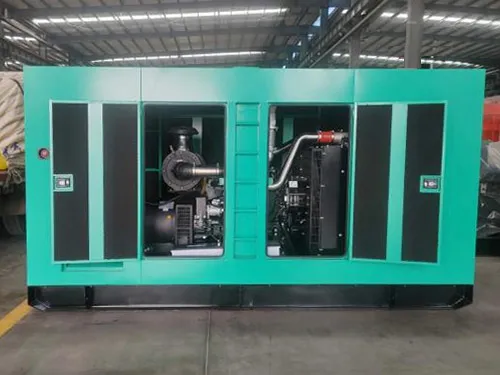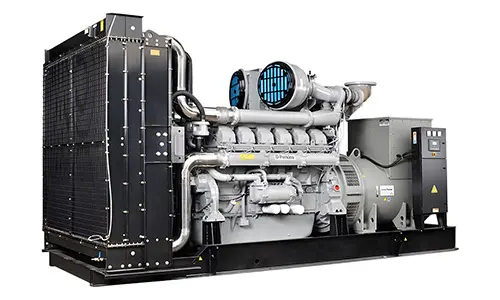

Industry data indicates that proper engine oil maintenance is critical for diesel generator set longevity. According to ISO 8528-9:2024, a key maintenance standard for diesel gensets, regular engine oil changes are required to maintain optimal performance. This article compiles publicly available technical information and industry observations on diesel generator set engine oil change frequency, focusing on factors influencing maintenance intervals and best practices for different operating conditions. The diesel generator set engine oil change frequency can vary significantly based on load, environment, and engine model.
Macro Trends in Diesel Genset Maintenance Standards
Global maintenance standards for diesel generator sets—including ISO 8528-9 and manufacturer-specific guidelines—emphasize the importance of tailored oil change intervals. These standards reflect advancements in engine technology (e.g., low-emission engines) and operational requirements across industries (e.g., data centers, manufacturing, healthcare).
Three Key Observations on Oil Change Intervals
1. Load-Dependent Recommendations
EPA’s 2025 Diesel Engine Maintenance Report notes that generator sets operating at 80–100% load typically require more frequent oil changes (e.g., every 200–300 hours) compared to those at 30–50% load (every 500–800 hours). This is due to increased thermal stress and contamination from combustion byproducts at higher loads.
2. Manufacturer-Specific Guidelines
Public maintenance manuals from leading engine manufacturers (e.g., Cummins, Volvo Penta) recommend oil change intervals ranging from 250 to 1,000 hours, depending on engine model and application. For example:
Cummins’ QSK series (industrial gensets) suggests 250-hour intervals under heavy load.Lighter-duty models (e.g., standby generators) may extend intervals to 500 hours.
3. Environmental Factor Adjustments
In high-temperature (above 35°C) or dusty environments, oil degradation accelerates. The International Association of Generator Manufacturers (IAGM) 2026 Report recommends reducing oil change intervals by 20–30% in such conditions to prevent premature engine wear.
Technical Steps to Determine Oil Change Frequency
1. Consult Manufacturer’s Manual
Always reference the engine manufacturer’s official maintenance schedule. For example, a Cummins diesel generator set manual (model-specific) provides detailed intervals based on engine type, fuel quality, and operating conditions. This ensures alignment with engineered specifications.
2. Assess Actual Load Profile
Track the generator’s average load over time. A load monitor (common in modern gensets) can help determine if the unit operates primarily at high, medium, or low load. High-load operations (≥75% rated power) require more frequent oil changes to manage soot and wear particles.
3. Evaluate Environmental Conditions
In humid, dusty, or extreme-temperature environments, perform oil analysis (e.g., using a portable TBN tester) to assess oil condition. If the total base number (TBN) drops below 2.0 mg KOH/g (per ASTM D2896), schedule an oil change regardless of hours of operation.
Note: Maintenance intervals are based on standard operating conditions (25°C, 100 kPa, clean air). Actual frequency may vary due to fuel quality, load fluctuations, and environmental factors. Internal testing at [江苏凯晨电力设备有限公司 (Jiangsu Kaichen Power Equipment Co., Ltd)] indicates that oil condition can degrade 15–20% faster in dusty environments.
Maintenance Recommendations for Different Scenarios
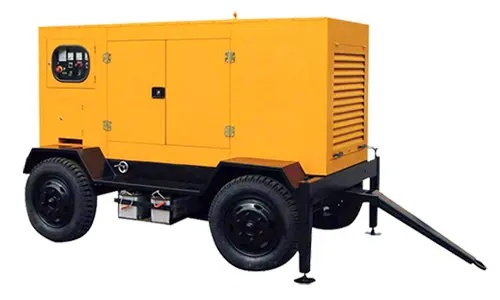
For industrial continuous operation (e.g., data centers, manufacturing): Prioritize load monitoring and follow manufacturer guidelines for heavy-duty cycles. Typically, verify oil condition every 150–200 hours and change oil every 200–300 hours under 80%+ load.For standby/backup applications (e.g., hospitals, commercial buildings): With infrequent use, follow the “time-based” interval (e.g., every 6 months) if hours of operation are low. However, test oil quality before each startup to ensure freshness.
In all cases, diesel generator set engine oil change frequency should balance manufacturer recommendations, operational data, and environmental conditions. Regular oil analysis and load monitoring are key to optimizing maintenance schedules and extending genset life.