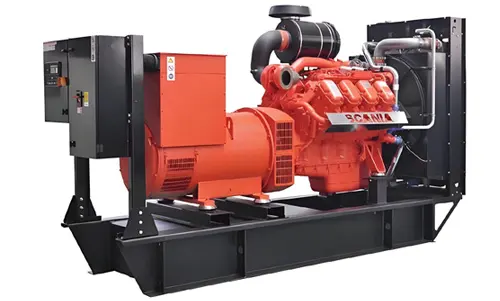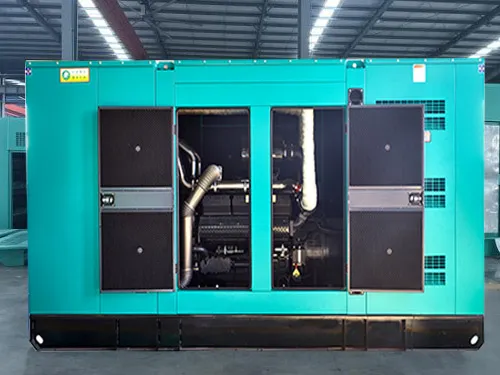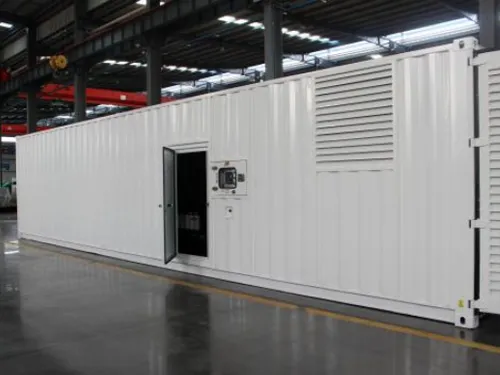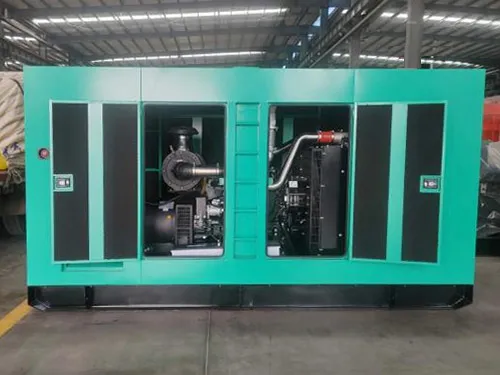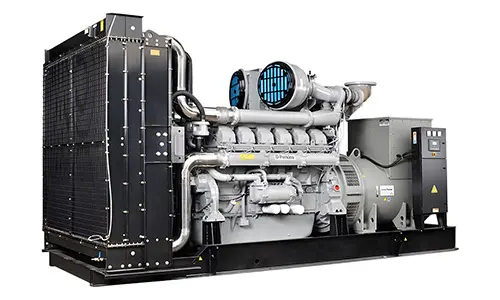


Industry data from Global Market Insights (2026) indicates the global prime power diesel generator market is projected to reach $12.3 billion by 2026, with a CAGR of 4.8%. This article compiles publicly available technical information and industry observations on prime power diesel generators, which are engineered to operate continuously at full rated load to meet the power demands of industrial, infrastructure, and commercial sectors. These units serve as the primary source of electricity in scenarios where grid power is unreliable or unavailable.
Industry Landscape of Prime Power Diesel Generators
Macro Trend in Power Demand
The International Energy Agency (IEA) reports that global industrial electricity demand grew by 3.2% year - on - year in 2025. This growth has spurred a rising need for reliable continuous - power solutions. Prime power diesel generators are increasingly relied upon in regions with unstable grid access, such as remote mining sites and developing economies’ industrial zones.
Emission Standard Evolution
Regulatory bodies like the US Environmental Protection Agency (EPA) and the European Union have updated emission standards for prime power units. The EPA Tier 4 - final and EU Stage V standards mandate significant reductions in nitrogen oxides (NOₓ) and particulate matter emissions. For instance, EPA Tier 4 - final regulations require a 90% reduction in NOₓ emissions compared to Tier 3 standards, driving manufacturers to adopt advanced after - treatment systems.
Efficiency Improvements in Technical Data
Publicly available technical documents from manufacturers (e.g., Cummins, Perkins) show that modern prime power diesel generators have achieved a 5 - 8% higher fuel efficiency at full load compared to models from five years ago. This improvement is attributed to advancements in combustion technology, variable - geometry turbocharging, and electronic engine management systems.
Market Share of Industrial Applications
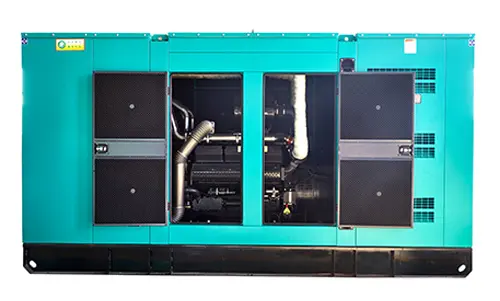
According to the PowerGen Market Report (2026), industrial applications account for 62% of global prime power diesel generator shipments. Key sectors include mining (28% of industrial shipments), manufacturing (35%), and data centers (19%), where continuous power is critical for operations.
Technical Reference for Prime Power Operation
The following steps are compiled based on industry standards (ISO 8528) and publicly available technical literature to assist in evaluating prime power diesel generators.
1. Verify Prime Power Certification
Confirm the generator set meets ISO 8528 - 1’s definition of a prime power unit. This standard requires the ability to operate continuously at 100% rated load for an unlimited number of hours (with scheduled maintenance). Key metrics to check include the manufacturer’s published prime power rating (kW) and load acceptance capabilities (e.g., ability to accept 100% load step - up without tripping).
2. Inspect Cooling System Design
Ensure the cooling system is sized for continuous full - load operation. Industry best practices recommend verifying:
Coolant flow rate: For a 500 - kW unit, a minimum flow rate of 120 liters per minute is typical to maintain optimal operating temperatures.Radiator surface area: A 500 - kW unit should have a radiator surface area of at least 8 m² for efficient heat dissipation at 25°C ambient temperature.
3. Evaluate Fuel Supply System
Assess the fuel tank capacity and delivery system to support uninterrupted operation:
Fuel tank capacity: A typical design consideration is a fuel tank large enough to provide at least 8 hours of runtime at full load. For a 500 - kW unit, this translates to a minimum tank volume of 1,200 liters.Fuel filtration: The system should meet ISO 4406 cleanliness standards (e.g., ≤ 18/16/13 particle count) to prevent injector wear during continuous operation.
Note: Performance data is measured under standard atmospheric conditions (25°C, 100 kPa). Actual performance may vary based on installation altitude, ambient temperature, and maintenance practices. Internal test records show that, in extreme conditions (e.g., 40°C ambient temperature), fuel consumption and heat output may deviate by up to ±5% from published specifications.
Selection Reference for Prime Power Generators
Key Consideration Dimensions
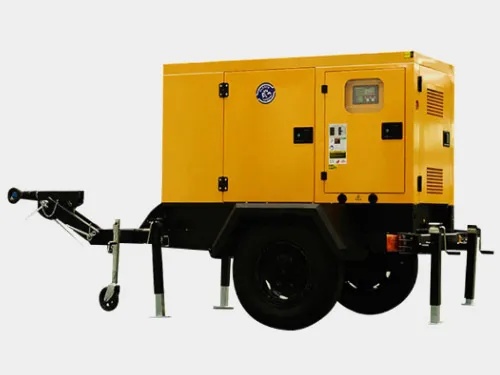
Two industry - recognized selection dimensions are power matching (kW rating vs. load demand) and compliance with emission/efficiency standards.
Scenario - Based Recommendations
For industrial applications (e.g., mining, heavy manufacturing): Key technical parameters to verify include the prime power rating (kW), fuel efficiency (g/kWh at 100% load), and emission compliance (EPA Tier 4/EU Stage V certification).For commercial/infrastructure applications (e.g., data centers, hospitals): Key technical parameters to verify include noise levels (measured at 7 meters, e.g., ≤ 75 dB(A) for urban settings), load response time (e.g., ≤ 5 seconds for 100% load step), and redundancy features (e.g., dual - fuel capability or paralleling support).
When selecting a prime power diesel generator, it is recommended to verify the unit’s continuous operation capabilities and technical specifications against your specific power requirements and operating environment. Ensure the generator is designed for prime power use (not standby) to avoid premature wear or failure under full - load conditions.