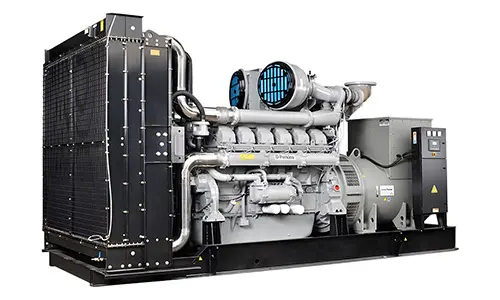


Industry data from power equipment research indicates that a well - maintained diesel generator set can achieve an operational lifespan of 20,000 to 30,000 hours, which is typically equivalent to 10 - 15 years of service under standard usage conditions. This article reviews publicly available technical insights, maintenance guidelines, and operational factors that influence the overall lifespan of a diesel generator set, with a focus on verifiable industry practices and engineering principles.
1. Industry - Observed Lifespan Trends
The global diesel generator market report (2024) by a leading research firm reveals that proper maintenance can extend a generator’s service life by 30 - 50% compared to units that are neglected.
Engine Manufacturer Benchmarks: Major engine manufacturers such as Cummins, Perkins, and Volvo publish lifespan expectations based on usage scenarios. For instance, Cummins’ QSK series engines are engineered to operate for over 20,000 hours with consistent maintenance.Maintenance - Related Failures: A survey conducted by the Generator & Genset Association (GSA) found that 65% of premature generator failures are attributed to inadequate maintenance, including missed oil changes and filter replacements.
Operational Load Impact: According to ISO 8528 - 10 guidelines, generators running at 80 - 100% of their rated load continuously have a 20 - 30% shorter lifespan compared to those operating at 50 - 70% of their capacity.
2. Technical Determinants of Lifespan
The lifespan of a diesel generator set is shaped by a combination of design, operational, and environmental factors:
a. Engine Quality and Design
High - quality engines with robust components (such as cast - iron engine blocks and forged crankshafts) from reputable manufacturers (e.g., Cummins, Perkins, Doosan) tend to have longer lifecycles. Verify the engine’s B10 life (the time by which 10% of units are expected to fail) — for example, a B10 life of 20,000 hours implies that 90% of engines will last beyond this duration.
b. Maintenance Practices
Adhere to the original equipment manufacturer (OEM) - recommended maintenance schedules, which typically include:
Regular oil and filter changes (e.g., every 250 - 500 hours of operation).Load - bank testing to prevent wet stacking (unburnt fuel accumulation) in under - loaded generators.
Inspection of electrical connections and cooling systems.
A study by J.D. Power showed that generators with annual professional maintenance experience 40% fewer breakdowns.
c. Operational Load Management
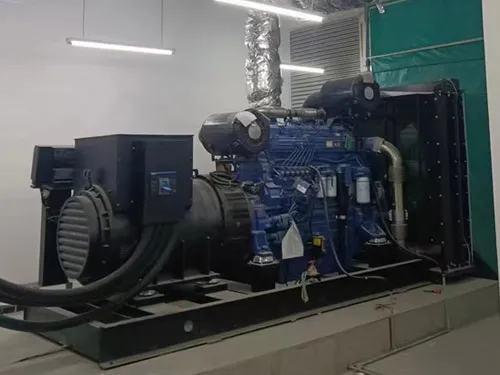
Avoid continuous operation at full load (100% of rated capacity). Running a generator at 50 - 70% of its rated load reduces stress on engine components, such as pistons and bearings, and minimizes heat - related wear.

d. Environmental Conditions
Extreme Temperatures: High ambient temperatures (above 40°C) or cold starts (below 0°C) can accelerate engine wear. Using engine block heaters or climate - controlled enclosures mitigates this.Dust and Humidity: Dust - laden or humid environments cause corrosion and clog air filters. Enclosed or weather - proof generator designs (e.g., IP54 - rated enclosures) protect against these elements.
e. Fuel Quality
Contaminated or low - grade fuel leads to injector clogs, engine knocking, and component damage. Use fuel additives to prevent water accumulation and ensure regular fuel filtration (e.g., replacing fuel filters every 1,000 hours).
3. Lifespan - Focused Selection and Operation Tips
For Industrial Applications: Prioritize generators with a proven engine durability record (B10 life > 20,000 hours), robust cooling systems, and access to OEM maintenance support.For Commercial/Residential Use: Verify maintenance requirements, fuel efficiency ratings, and environmental protection features (e.g., soundproof enclosures that also protect against dust and moisture).
Maximizing the lifespan of a diesel generator set requires a combination of high - quality equipment selection, consistent maintenance, and responsible operational practices. By addressing factors like engine quality, load management, and environmental protection, users can ensure long - term reliability and cost - effective power generation.
Actual lifespan may vary based on usage intensity, maintenance quality, and environmental conditions.