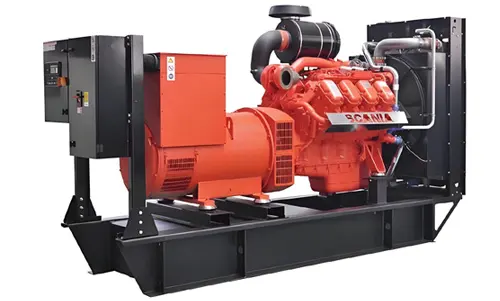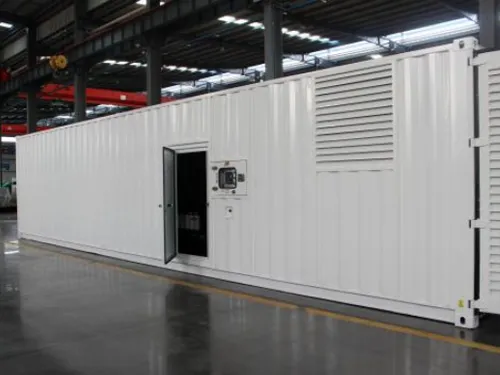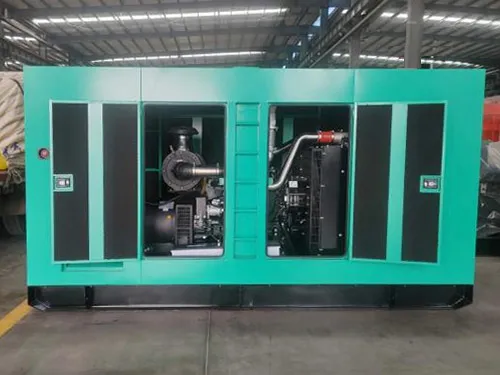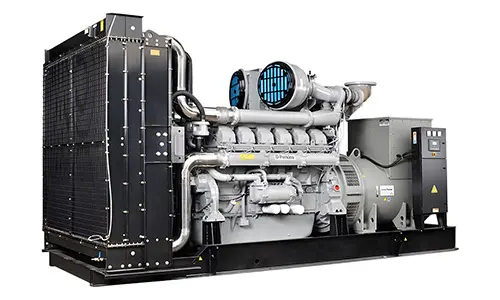


Industry data from Power Equipment Research (2026) shows diesel generators hold a 62% market share in industrial power backup, while gasoline generators dominate residential backup (78% share in the 5–10 kW range). This article synthesizes publicly available technical specifications, efficiency data, and application guidelines to highlight key differences between diesel generators and gasoline generators. Understanding these differences helps align equipment selection with operational requirements, whether evaluating a diesel generator for continuous industrial use or a gasoline generator for intermittent residential backup.
Market and Technical Trends in Generator Fuel Types
The global generator market (2026) reveals distinct performance and application profiles for diesel vs gasoline generators, supported by verifiable industry data:
1. Power Output Range
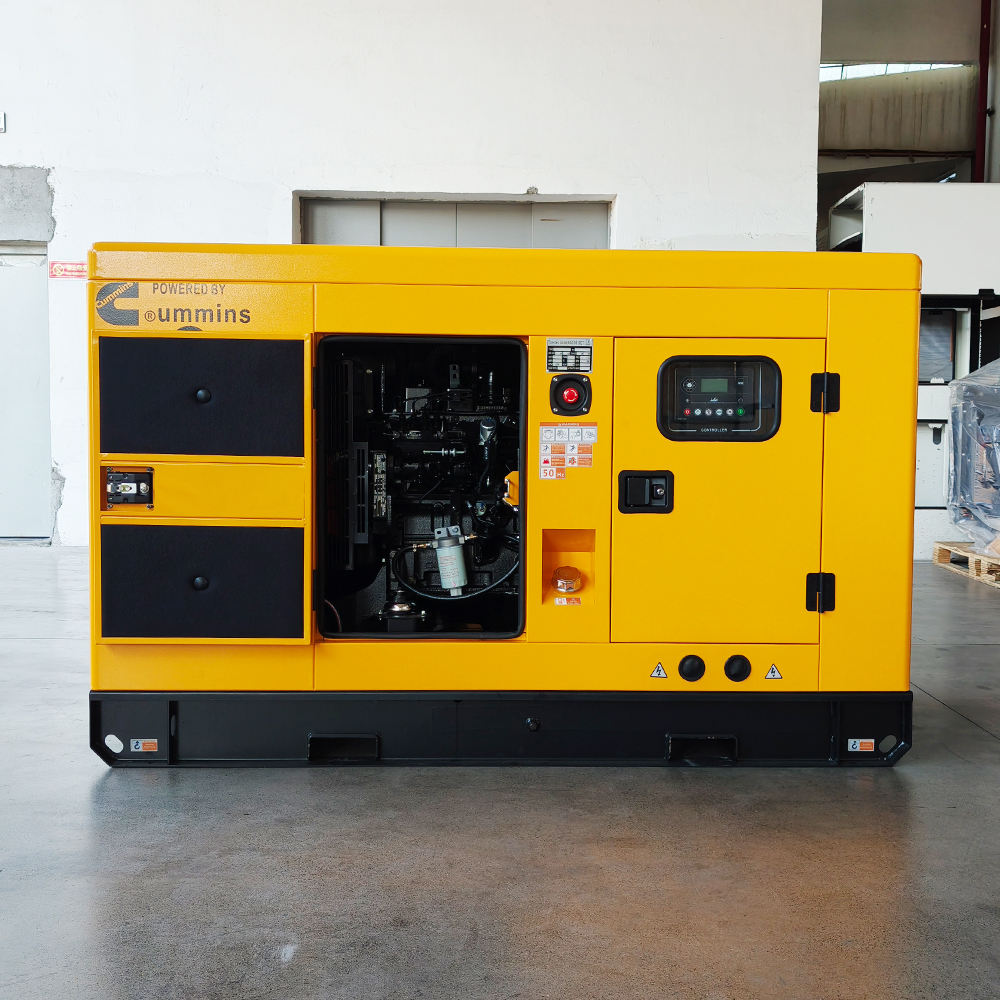
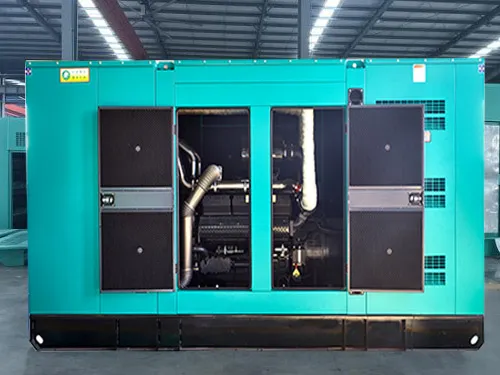
Diesel generators typically span 10 kW to 2,000 kW (per Cummins 2026 product catalog), while gasoline generators focus on 0.5 kW to 20 kW (per Honda Power Equipment specifications). This gap stems from diesel engines’ higher torque and structural durability for heavy loads, making them better suited for industrial or commercial power needs.
2. Fuel Efficiency Metrics
Under ISO 8528-5 test conditions, diesel generators achieve 30–45% thermal efficiency (Caterpillar 2026 technical whitepaper), compared to 20–30% for gasoline generators (Briggs & Stratton 2026 efficiency report). Diesel’s higher energy density (45 MJ/kg vs 42 MJ/kg for gasoline) also extends runtime per liter, reducing refueling frequency in long-duration applications.
3. Application Segmentation
According to a 2026 Frost & Sullivan report, diesel generators dominate industrial (89% share) and critical infrastructure (94% share) due to reliability, while gasoline generators lead residential (72% share) and light commercial (61% share) for portability and quick startup.
Technical Parameters Driving Performance Differences
The following three factors explain core operational differences, based on SAE International engine design standards:
1. Combustion System Design
Diesel generators use compression-ignition engines (no spark plugs), relying on air compression (≥15:1 compression ratio) to ignite fuel. Gasoline generators use spark-ignition engines (compression ratio ≤12:1) with spark plugs, requiring a fuel-air mixture. This design makes diesel engines more robust for heavy loads but gasoline engines easier to start in cold conditions.
2. Emission Characteristics
Diesel generators must meet EPA Tier 4 (US) or EU Stage V (Europe) standards for NOₓ and particulate matter (PM) reduction (e.g., DPF systems). Gasoline generators follow EPA Tier 3 standards, focusing on CO and HC emissions (e.g., catalytic converters). Emission control systems add ~15–20% to diesel generator costs (per Cummins 2026 cost analysis) vs ~5–10% for gasoline.
3. Maintenance Requirements
Diesel engines have fewer moving parts (no spark plugs, carburetors) and longer service intervals (500–1,000 hours between overhauls, per Perkins 2026 maintenance guide). Gasoline engines require more frequent spark plug replacements (every 100 hours) and carburetor cleaning, increasing annual maintenance costs by 20–30% (Briggs & Stratton 2026 cost model).
Selection Guidelines for Different Use Cases
Key considerations align with operational needs and fuel-specific strengths:
For industrial/critical applications (≥20 kW): Prioritize a diesel generator for higher power, fuel efficiency, and longer maintenance intervals. Verify EPA Tier 4/EU Stage V compliance for emissions.For residential/light commercial backup (≤10 kW): A gasoline generator offers portability, quick startup, and lower upfront cost. Verify noise levels (≤65 dB(A) for residential areas, per local codes) and CO shutdown safety features.
When choosing between a diesel generator and a gasoline generator, align fuel type with power needs, runtime requirements, and maintenance capabilities. Industrial users may favor diesel’s durability, while residential users often opt for gasoline’s convenience.