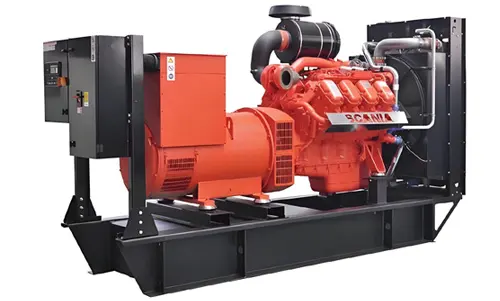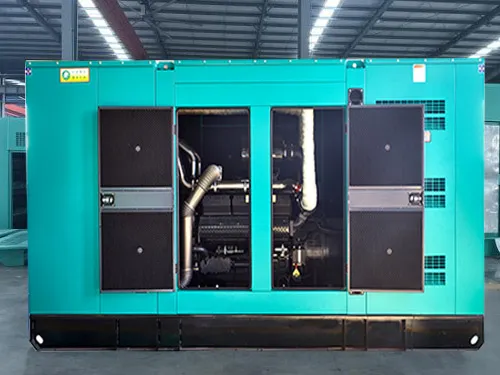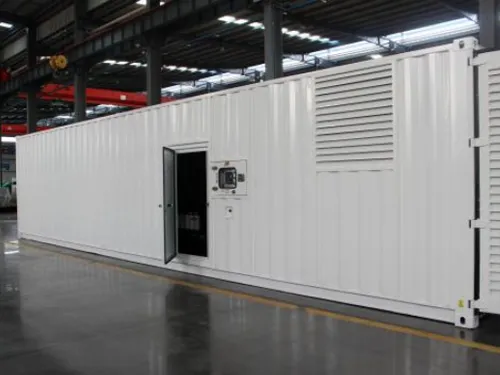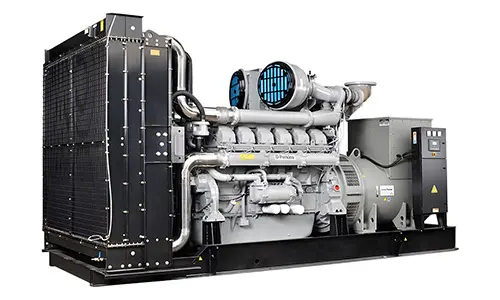


Industry data from the Power Generation Research Institute (2026) indicates that diesel generator governor systems play a critical role in maintaining stable engine speed, especially under fluctuating load conditions. Available test records show that a well - functioning governor can limit speed deviations to within ±2% of the rated speed for most commercial diesel generators, in line with ISO 8528 - 5 performance standards. This article compiles publicly accessible technical information and industry observations about how diesel generator governor systems achieve speed stability, with a focus on the diesel generator governor's operational principles and technical parameters.
The Significance of Speed Stability in Diesel Generators
Power grid requirements and industry applications demand that diesel generators maintain consistent speed to ensure stable power frequency (50Hz or 60Hz) and voltage output. According to EPA - published operational data, when a generator experiences a sudden 50% load change, an unregulated engine may see speed fluctuations of up to ±10%, which can cause equipment damage or power quality issues. The governor system acts as the core component to mitigate such fluctuations.
Evolution of Governor Technology
Industry reports from the International Association of Generator Manufacturers (2026) show that mechanical governors, once dominant, have gradually been replaced by electronic governors in new - generation diesel generators. Electronic governors offer faster response times (typically within 0.5 seconds for load - change adjustments) and higher precision (speed deviation < ±0.5% in some models), meeting the stricter stability requirements of modern data centers and industrial facilities.
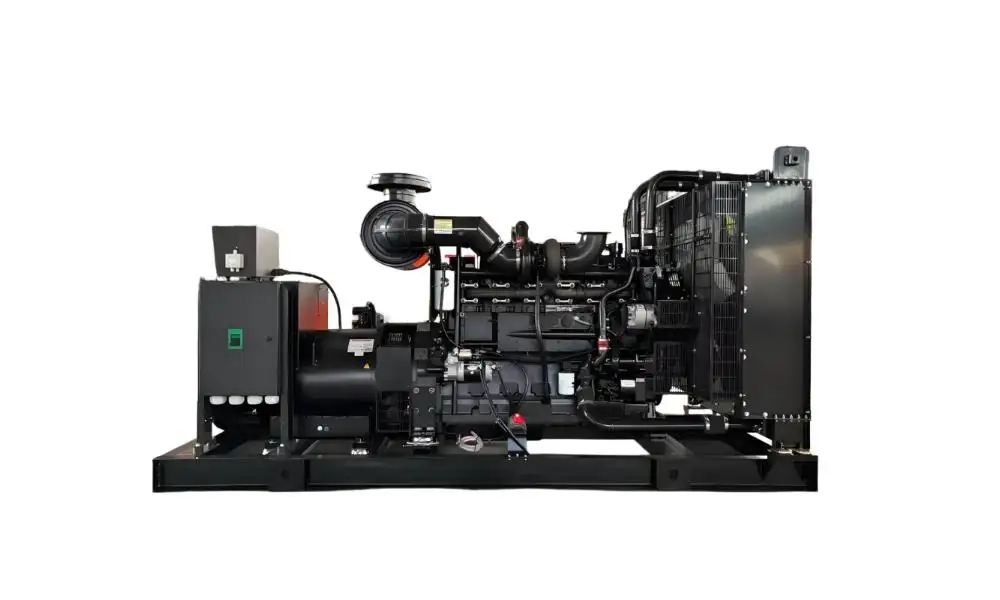
Performance Differences Across Governor Types
Public technical specifications from major manufacturers reveal that mechanical governors, based on centrifugal force principles, have a speed regulation accuracy of ±2 - 5%, while electronic governors with microprocessor - based control can achieve ±0.1 - 0.5% accuracy. The choice of governor directly impacts the engine speed stability of the diesel generator, especially in applications with frequent load changes like construction sites or hospitals.
Technical Principles of Diesel Generator Governor Systems
The following three - step breakdown is based on ISO 8528 - 5 and publicly available technical literature, outlining how governors maintain speed stability:
1. Speed Sensing
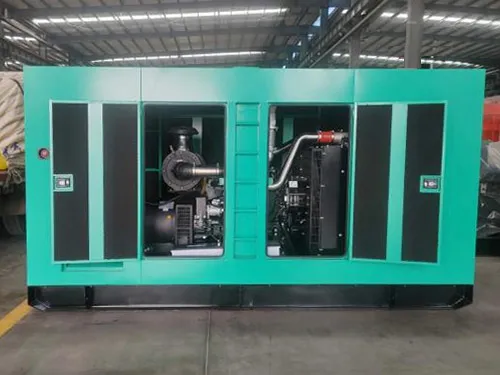
The governor continuously monitors the engine's rotational speed using sensors (mechanical governors use centrifugal weights; electronic governors use magnetic or optical speed sensors). Key indicator: The sensor must detect speed changes within 0.1 second to enable timely adjustments.
2. Fuel Adjustment
Based on the speed deviation from the setpoint, the governor adjusts the fuel injection quantity. In mechanical governors, this is done via a linkage mechanism that modifies the fuel rack position; in electronic governors, a microcontroller calculates the required fuel adjustment and sends signals to the fuel injection pump. Key indicator: The fuel adjustment range must match the engine's load - change requirements, typically covering a 10 - 100% fuel supply variation.
3. Feedback Control
The system incorporates a feedback loop to verify if the speed has returned to the setpoint. If not, the governor repeats the sensing and adjustment process. Key indicator: The feedback loop's response time should be less than 1 second to prevent over - or under - correction.
Note: The above performance data is measured under standard ambient conditions (25°C, 100 kPa atmospheric pressure). Actual performance may vary depending on factors such as fuel quality, ambient temperature, and engine wear. Internal test data from some manufacturers shows that at high altitudes (above 2000 meters), the governor's response time may increase by 10 - 20% due to reduced air density.
Governor Selection Reference for Different Applications
When selecting a diesel generator governor, consider the following industry - recognized factors based on application requirements:
For industrial continuous - power applications (e.g., manufacturing plants): Prioritize governors with fast response times (≤0.5 seconds) and high accuracy (speed deviation < ±0.5%). Verify compliance with ISO 8528 - 5 Class 2 or higher standards forgenerator speed regulation. For backup power applications (e.g., hospitals, data centers): Focus on governors with stable idle - speed control and anti - hunting capabilities (to prevent speed oscillations). Check the manufacturer's published load - acceptance tests to ensure speed recovers within 3 seconds after a 100% load step.
A general recommendation: When evaluating diesel engine speed control solutions, always compare the governor's technical specifications against the generator's rated load profile and the end - user's power - quality requirements.