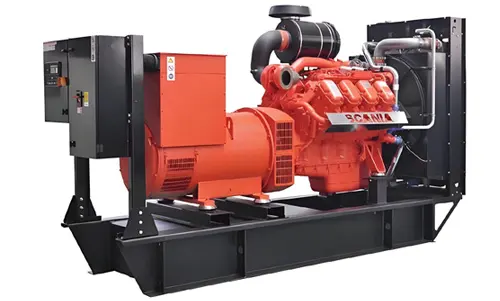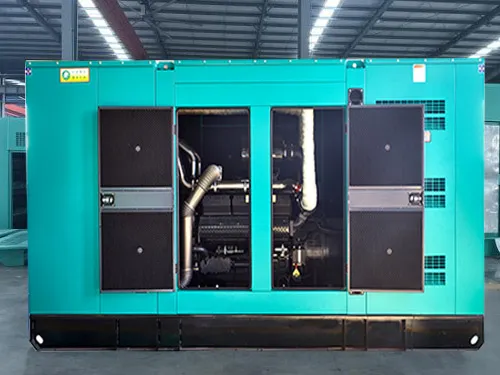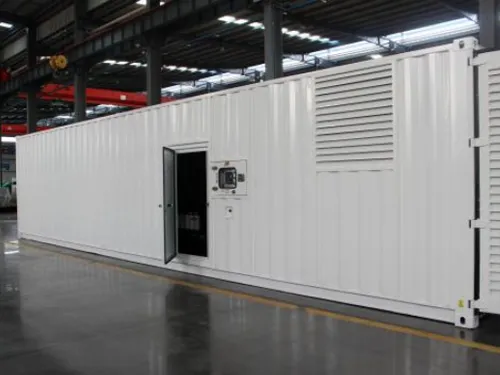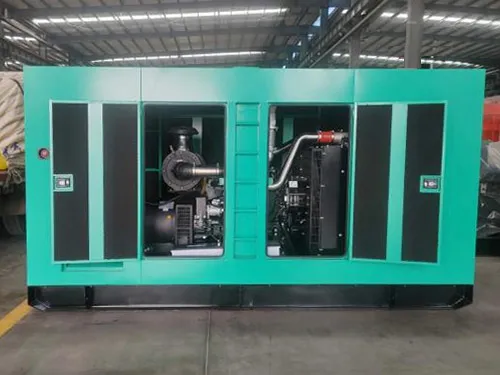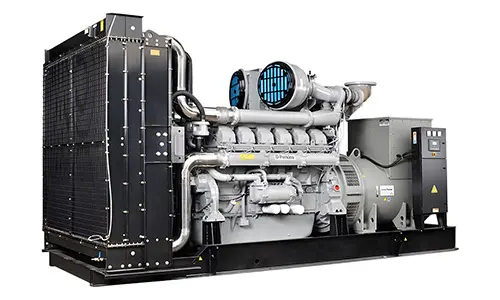


A pre-start inspection is critical to ensure diesel generators operate safely, efficiently, and in compliance with industry standards. According to a 2023 report by the Power Generation Reliability Council, 32% of unplanned generator outages stem from inadequate pre-start checks. This article outlines a diesel generator pre-start inspection checklist aligned with ISO 8528-13, NFPA 110, and manufacturer-recommended practices, providing actionable steps to reduce downtime and equipment failure risks.
Why Pre-Start Inspections Matter (Industry Context)
Global reliance on diesel generators as primary or backup power sources (e.g., in data centers, hospitals, and industrial facilities) has increased the focus on preventive maintenance. Standards like ISO 8528-13 and NFPA 110 mandate pre-operation checks to ensure safety, reliability, and regulatory compliance. A 2022 study by InterNACHI found that generators with documented pre-start protocols experience 40% fewer unplanned outages than those without.
Common risks from neglected inspections include:
Safety hazards: Fuel leaks, electrical faults, or fire risks.Equipment damage: Engine seizure (from low oil pressure) or component failure (from contaminated fuel).
Regulatory penalties: Non-compliance with standards like NFPA 110 or local environmental regulations.
Technical Pre-Start Inspection Checklist (Step-by-Step)
The following checklist is structured around industry best practices (ISO 8528-13, Cummins/Perkins guidelines) and focuses on five critical areas:
1. Visual & Environmental Inspection
Location: Ensure the generator is installed in a well-ventilated, dry area (per NFPA 110) with at least 3 feet of clearance around the unit.Damage/Debris: Check for visible damage (cracks, leaks, loose parts) or debris (dust, leaves) that could obstruct airflow or cause overheating.
Fire Safety: Confirm fire extinguishers (Class C/ABC-rated) are accessible and fuel storage areas are free of flammable materials.
2. Fluid Level Verification
Fuel: Check fuel level (via dipstick/gauge) and ensure it meets the generator’s minimum startup requirement (typically 1/4 tank or more).Inspect fuel for water/contamination (use a clear fuel sample bottle to check for sediment or discoloration).
Engine Oil: Verify oil level is between the “min” and “max” marks on the dipstick.
Check for contamination (milky oil = water ingress; dark, gritty oil = excessive wear).
Coolant: Ensure coolant level is within the recommended range (check the expansion tank or radiator).
Inspect for leaks (puddles under the generator) or low pH (use test strips to confirm coolant effectiveness).
3. Electrical System Check
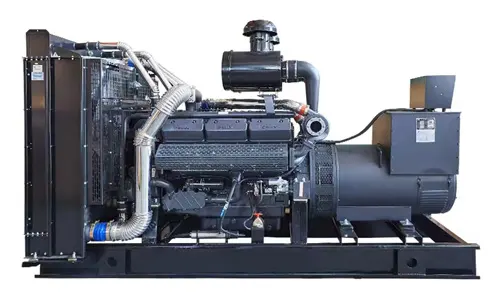
Battery: Inspect terminals for corrosion (clean with a wire brush if needed) and ensure connections are tight.Check voltage (≥12.6V for a 12V system, or as per manufacturer specs) using a multimeter.
Wiring & Connections: Verify all electrical wires/connectors are insulated, tight, and free of damage (e.g., fraying, burns).
Ensure the main circuit breaker is in the “off” position (if applicable) before startup.
4. Mechanical Component Inspection
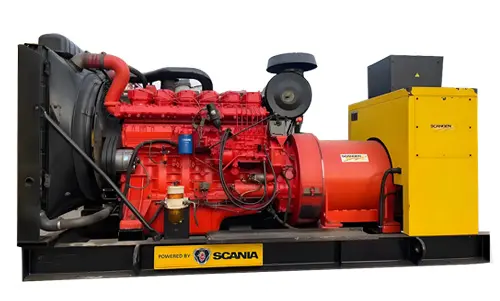
Belts & Hoses: Inspect belts for wear, cracks, or looseness (belt tension should allow 1/2–3/4 inch of deflection under moderate pressure).Check hoses for leaks, bulges, or soft spots (replace if damaged).
Air Filter: Verify the air filter is clean and properly seated (a clogged filter reduces efficiency and causes engine strain).
Exhaust System: Inspect the exhaust pipe for damage, leaks, or loose connections. Ensure it is directed away from occupied areas.
5. Safety & Auxiliary Systems
Emergency Stop: Test the emergency stop button (should immediately shut down the generator; reset before startup).Grounding: Confirm the generator is properly grounded (use a multimeter to check continuity between the generator frame and ground rod).
Load Bank (if applicable): Ensure the load bank is disconnected or in “standby” mode during startup.
Note: Always consult the generator’s manufacturer manual for model-specific requirements. Performance may vary based on environmental conditions (e.g., temperature, altitude) and maintenance history.
Best Practices & Documentation
Frequency: Conduct pre-start inspections daily for standby generators, weekly for continuous-use units, and per manufacturer recommendations.Logbook: Maintain a detailed log of inspections, including dates, findings, and corrective actions (e.g., “2024-07-01: Fuel filter replaced due to contamination”).
Training: Ensure operators are trained on the checklist and emergency procedures (e.g., fire response, shutdown protocols).
By following this diesel generator pre-start inspection checklist and adhering to industry standards, users can minimize risks, extend equipment lifespan, and ensure reliable power delivery. For complex setups (e.g., paralleled generators, high-voltage systems), consult a certified technician or the generator’s OEM for specialized guidance.