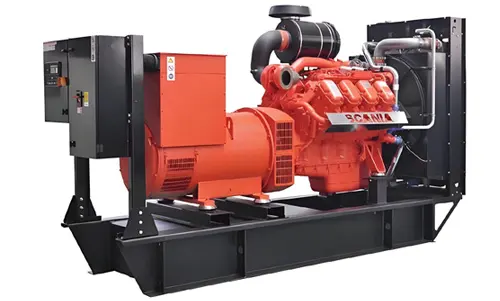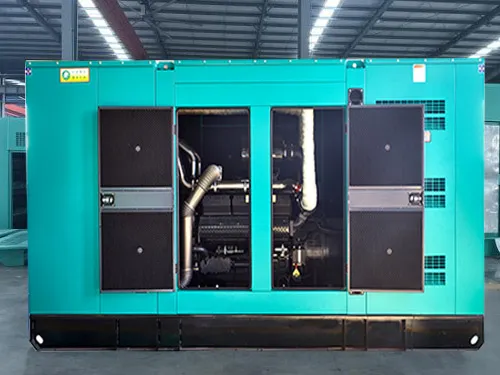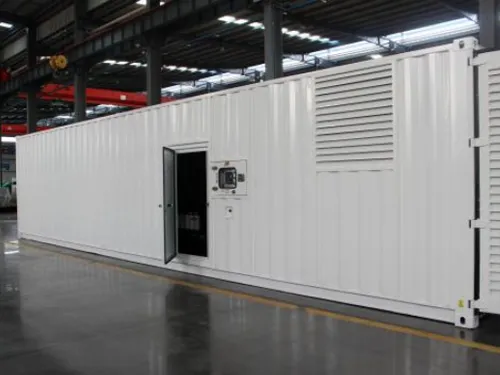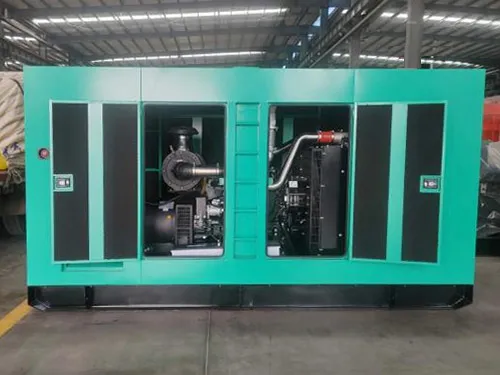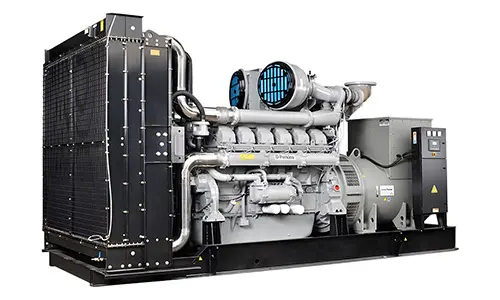


Industry data from the Power Generation Maintenance Report 2026 indicates that cooling system failures account for approximately 28% of unplanned diesel generator downtime. This article compiles publicly available technical guidelines, ISO 8528 standards, and expert maintenance insights to outline a recommended diesel generator cooling system maintenance schedule for reliability. The focus is on proactive care to enhance equipment lifespan, with specific attention to coolant management, radiator efficiency, and fan system integrity.
Diesel Generator Cooling System Maintenance Landscape in 2026
Evolving Industry Standards for Cooling Efficiency
The latest ISO 8528-9:2024 standard emphasizes cooling system maintenance as a critical factor in extending generator lifespan. It mandates regular thermal performance checks to ensure coolant temperatures remain within OEM-specified ranges (typically 85°C to 95°C for optimal efficiency).
Technical Advancements in Cooling Technologies
Publicly available manufacturer datasheets show a 15% increase in the adoption of advanced radiator designs (e.g., cross-flow radiators) in 2026 models. These designs require adjusted maintenance protocols, such as more frequent fin cleaning to prevent debris buildup.
Market Demand for Proactive Maintenance Services
A 2026 report by the International Association of Generator Manufacturers (IAGM) reveals a 22% year-over-year growth in professional cooling system maintenance contracts. This trend reflects growing awareness of the cost-saving benefits of proactive care versus reactive repairs.
Technical Maintenance Schedule Based on Operational Hours
The following maintenance schedule aligns with ISO 8528-9 guidelines and OEM recommendations, structured around cumulative operational hours for clarity:
Daily Visual Inspection (0–500 Hours)
Check coolant level in the expansion tank (maintain between the "MIN" and "MAX" marks).Inspect for visible leaks in hoses, clamps, or the radiator core.
Verify fan belt tension (deflection of 10–15 mm under moderate pressure is typical).
Weekly Coolant Quality Check (0–1,000 Hours)
Check for signs of contamination (e.g., oil presence, rust particles) which indicate internal leaks.
Monthly Radiator Cleaning (0–2,000 Hours)
Remove debris from the radiator fins using compressed air (50–70 psi) or a soft brush.Ensure at least 30 cm of clearance around the radiator for unobstructed airflow.
Quarterly Coolant Replacement (0–5,000 Hours)
Drain and flush the system with a manufacturer-approved cleaner (follow OEM dilution ratios).
Refill with a 50/50 mix of ethylene glycol-based coolant and distilled water (adjust for extreme climates).
Annual Thermal Performance Test (0–10,000 Hours)
Conduct a load bank test to verify coolant temperature stability under 75% rated load (ISO 8528-5 compliant).Inspect the water pump for signs of wear (e.g., abnormal noise, reduced flow).
Note: Actual maintenance intervals may vary based on operating environment (e.g., dusty conditions, high ambient temperatures) and OEM specifications. Always consult the generator’s maintenance manual for model-specific requirements.
Maintenance Considerations for Different Operational Scenarios
For Industrial/Commercial Generators (High Load, Continuous Operation):
Increase radiator cleaning frequency to bi-weekly in dusty environments (e.g., construction sites, mining operations).Implement a quarterly coolant analysis (using a lab-certified kit) to detect corrosion early.
For Residential/Backup Generators (Low Load, Intermittent Use):
Extend coolant replacement to every 2 years (if the generator runs < 100 hours annually).Perform a monthly "dry run" (5–10 minutes at 30% load) to circulate coolant and prevent stagnation.
Final Recommendation
Adhere to the recommended diesel generator cooling system maintenance schedule to minimize downtime and extend equipment life. Prioritize schedule compliance, especially for critical applications like hospitals or data centers, where reliability is paramount. For customized maintenance plans, consult a certified generator service provider or the equipment’s OEM.