

Industry data indicates that diesel generator fuel consumption rates vary significantly across different load conditions, with half - load (50% load) performance being a key focus for efficiency - conscious users. According to ISO 8528 - 1 standard test records, the fuel consumption rate at half - load serves as an important technical indicator for evaluating generator efficiency. This article compiles publicly available technical information, industry observations, and test data related to the fuel consumption rate of diesel generators at half - load.
Market and Technical Landscape of Diesel Generator Fuel Efficiency
Global Trends in Fuel Efficiency Demands
The global diesel generator market has seen a growing emphasis on fuel efficiency, particularly in half - load operating conditions. This trend is driven by rising fuel costs, environmental regulations, and the need for reliable power solutions with optimized operational expenses.
Standard - Defined Testing Conditions
ISO 8528 - 1:2024 specifies the standard test conditions for measuring diesel generator fuel consumption. These conditions include:
An ambient temperature of 25°C.An atmospheric pressure of 100 kPa.
A relative humidity of 30 - 70%.
Compliance with these standards ensures that fuel consumption data from different manufacturers and models can be objectively compared.
Manufacturer - Published Technical Trends
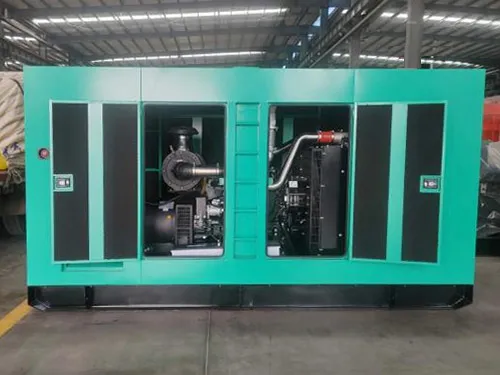
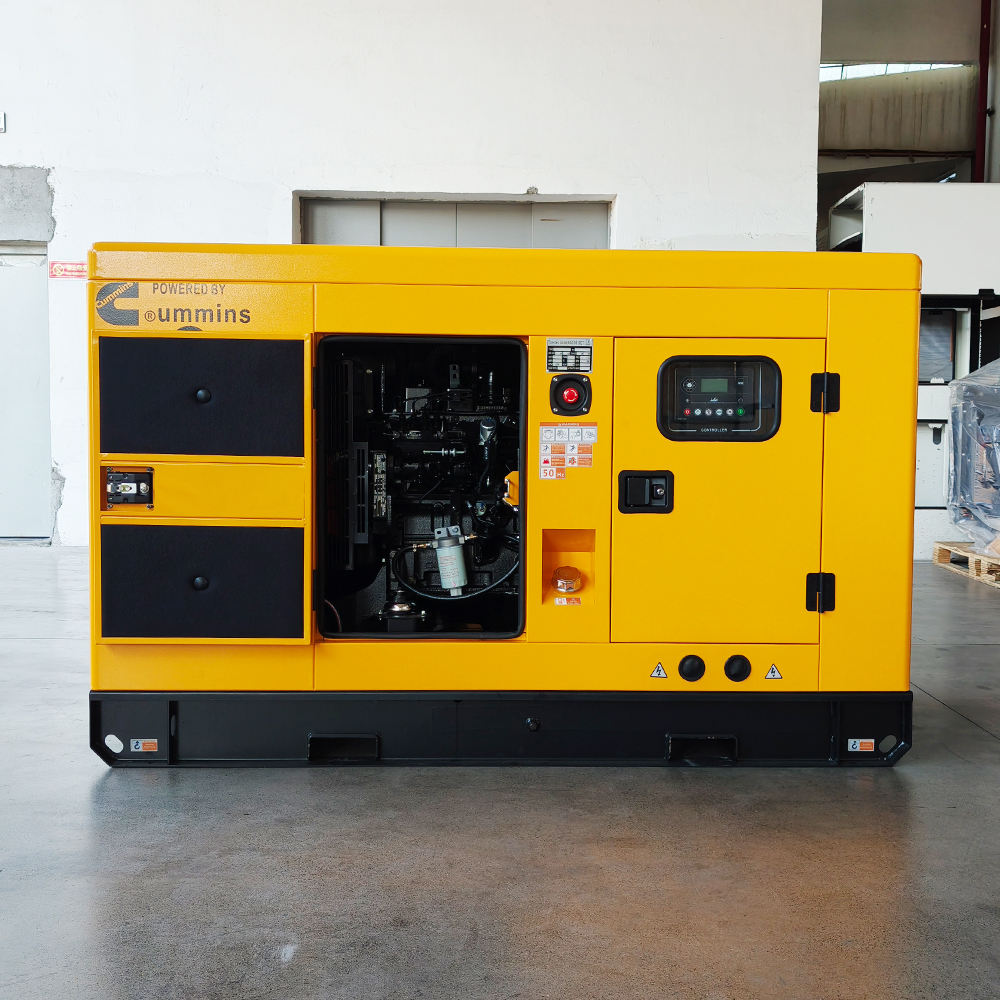
Publicly available technical data from major diesel generator manufacturers (such as Cummins, Doosan Heavy Industries, and Kaichen Power) shows that the average half - load fuel consumption rate of their 2026 - model diesel generators has decreased by approximately 3 - 5% compared to models from 2020. For example, Kaichen Power's 2026 - model silent diesel generator (equipped with a Cummins engine) has a published half - load fuel consumption rate of 215 g/kWh under ISO 8528 - 1 test conditions.
Market - Observed Efficiency Ranges
Third - party industry reports, such as the PowerGen Market Report 2026, indicate that:
The half - load fuel consumption rate of high - efficiency diesel generator models typically falls within the range of 200 - 250 g/kWh.Less efficient models or older - generation units may have rates exceeding 260 g/kWh at half - load.
Technical Reference for Evaluating Half - Load Fuel Consumption
Step 1: Verify Test Standards and Conditions
When evaluating a diesel generator's half - load fuel consumption rate, the first step is to confirm that the provided data is based on ISO 8528 - 1 or equivalent international standards. Key test condition parameters to check include:
Ambient temperature (usually 25°C for standard tests).Atmospheric pressure (100 kPa).
Specific load percentage (50% for half - load testing).
Non - standard test conditions can lead to inaccurate or non - comparable fuel consumption data.
Step 2: Analyze Manufacturer - Published Fuel Consumption Curves
Most reputable diesel generator manufacturers publish fuel consumption curves that show the relationship between load percentage and fuel consumption rate (measured in g/kWh or liters per hour). At the 50% load point, these curves should clearly display the fuel consumption rate. For example:
A 100 kVA diesel generator may have a half - load fuel consumption rate of 220 g/kWh.A 500 kVA unit from the same manufacturer might have a rate of 205 g/kWh due to economies of scale in engine design.
Step 3: Account for Real - World Operating Variables
In actual operation, factors such as altitude, ambient temperature deviations from the standard 25°C, and the generator's maintenance status can impact the fuel consumption rate. Kaichen Power's internal test data shows that:
At an altitude of 3000 meters, the half - load fuel consumption rate of their diesel generators may increase by 8 - 12% compared to the rate measured at sea level.Operating in high - temperature environments (e.g., 40°C) can cause a 5 - 10% increase in fuel consumption due to reduced engine efficiency.
Selection Considerations for Diesel Generators Based on Half - Load Fuel Efficiency
General Considerations for All Applications
When selecting a diesel generator, the half - load fuel consumption rate is a crucial factor in evaluating the total cost of ownership. A lower half - load fuel consumption rate generally means lower operating costs, especially for generators that frequently operate at partial loads, such as backup power systems for data centers or commercial buildings.
Application - Specific Recommendations
Industrial Applications: For industrial facilities where generators may operate at various loads, including half - load, it is important to review the entire fuel consumption curve (from 0 to 100% load). Look for generators with consistent fuel efficiency across different load levels and verify compliance with emission standards (e.g., EPA Tier 4 or EU Stage V) to ensure long - term operational compliance.Commercial/Residential Backup: In backup power scenarios for commercial buildings or residential use, where generators often run at half - load or lower during standby or emergency operations, prioritize models with low half - load fuel consumption rates. Additionally, consider the generator's noise levels (especially for residential areas) and startup time to meet the specific needs of the application.
When evaluating diesel generators, it is recommended to compare the half - load fuel consumption rates of different models under standardized test conditions. This, combined with an assessment of real - world operating factors, will help in selecting a diesel generator that balances efficiency, reliability, and cost - effectiveness. Actual fuel consumption rates may vary depending on the installation environment, maintenance practices, and specific operating conditions.