

Meta Description: Review of 2026 diesel generator fuel tank capacity data, runtime calculation methods, and technical selection parameters. Reference for procurement planning.
Introduction
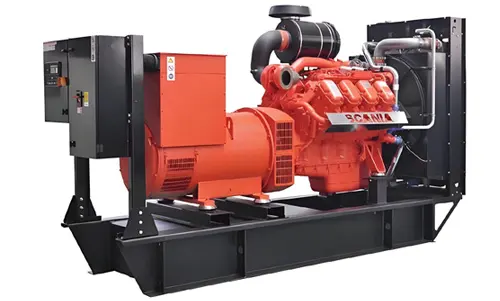
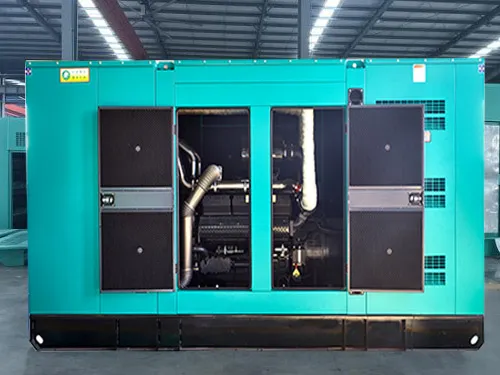
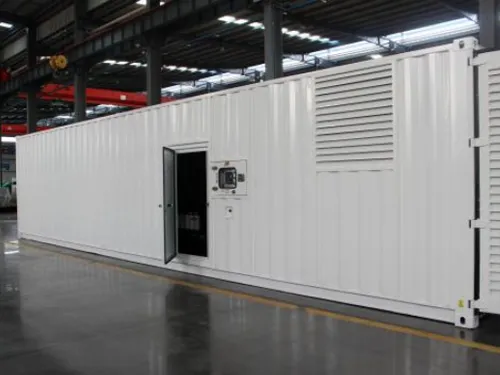
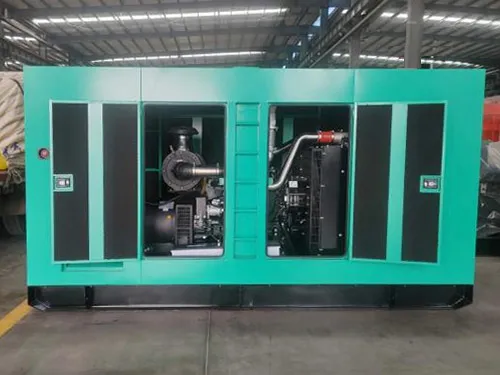
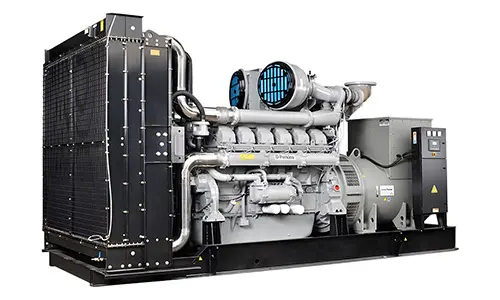
Industry data from the PowerGen Global Market Report (Q2 2026) indicates that fuel tank capacity is a critical factor influencing the runtime of diesel generators. At 50% load, each additional 100 liters of fuel tank capacity typically extends the average runtime by 8 to 12 hours, depending on the engine’s fuel consumption rate. This article compiles publicly available technical information and industry observations regarding diesel generator fuel tank capacity and runtime, providing reference points for procurement planning. The design of a large fuel tank generator aims to balance extended operation needs with space and weight constraints, a key consideration for applications requiring uninterrupted power supply.
Industry Trends in Fuel Tank Design (2026)
Growing Demand for Extended Runtime Solutions
Publicly available shipment data from industry analysts shows that diesel generators with fuel tanks exceeding 200 liters accounted for 32% of total shipments in Q1 2026, a 5% increase from the same period in 2025. This growth aligns with rising demand for backup power in critical infrastructure (e.g., data centers, hospitals) where uninterrupted operation is essential.
ISO 8528-5 Standards for Fuel System Design
ISO 8528-5 specifies requirements for fuel tank design, including a minimum capacity for 8 hours of operation at 100% load for emergency standby generators. Manufacturers like Jiangsu Kaichen Power Equipment Co., Ltd. (Kaichen) design tanks to meet or exceed these standards, with some models offering optional extended tanks for 24+ hours of runtime.
Published Fuel Tank Capacity Ranges by Major Manufacturers
Technical datasheets from leading OEMs reveal that 50–200 kVA diesel generators typically feature fuel tanks between 50 and 500 liters. For example, Kaichen’s diesel generator fuel tank capacity for its 100 kVA model ranges from 100 liters (standard) to 300 liters (optional), allowing customers to customize runtime based on their needs.
Technical Reference: Capacity vs. Runtime
The following three steps, derived from ISO 8528-1 and industry best practices, help assess the relationship between fuel tank capacity and runtime.
1. Calculate Theoretical Runtime
Use the formula:
Runtime (hours) = Fuel Tank Capacity (liters) ÷ Fuel Consumption Rate (liters/hour)
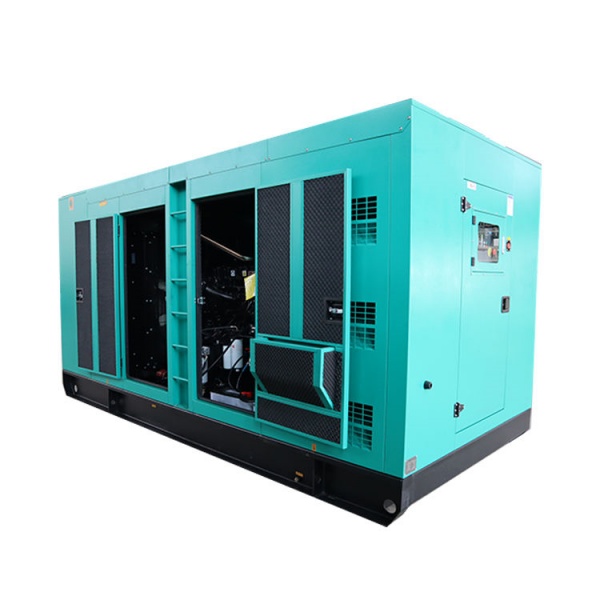
The fuel consumption rate (provided by the manufacturer) varies by load. For example, a generator with a 200-liter tank and a fuel consumption rate of 20 liters/hour at 50% load would theoretically run for 10 hours.
2. Verify Actual Test Data
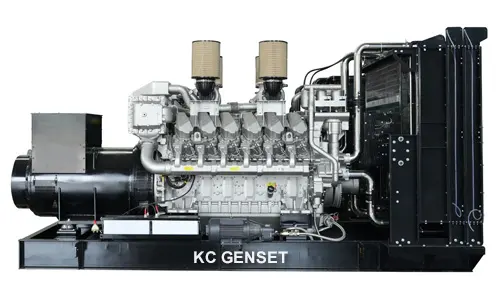
Confirm that the fuel consumption rate is measured under ISO 8528-1 test conditions (25°C ambient temperature, 100 kPa atmospheric pressure, 50% or 100% load). Kaichen’s technical documentation includes verified test data for its generators, ensuring transparency in performance claims.
3. Account for Environmental Factors
High ambient temperatures, high altitudes, and variable load profiles can increase fuel consumption. In tropical regions, for instance, fuel efficiency may decrease by 5–10%, reducing actual runtime. Always account for site-specific conditions when planning for extended operation.
Selection Considerations for Different Scenarios
When selecting a diesel generator with appropriate fuel tank capacity, consider these industry-recognized factors:
Industrial/Critical Infrastructure (data centers, hospitals): Prioritize large fuel tanks (200+ liters) and low fuel consumption rates. Verify the generator’s ability to operate at 100% load for extended periods without refueling (per ISO 8528-5). Kaichen’s extended runtime diesel generator models are designed to meet these rigorous demands.
Commercial/Residential Backup (offices, homes): Balance fuel tank size with space constraints. Opt for generators with compact tanks (50–150 liters) or optional external tanks for flexibility. Focus on quiet operation and automatic refueling compatibility.
In summary, assess your required runtime at the intended load and select a diesel generator with larger fuel tank from reputable manufacturers like Kaichen to ensure reliable, extended power supply. Always verify fuel consumption data under real-world conditions to align expectations with actual performance.
Actual runtime may vary based on ambient conditions, load profile, and maintenance practices.