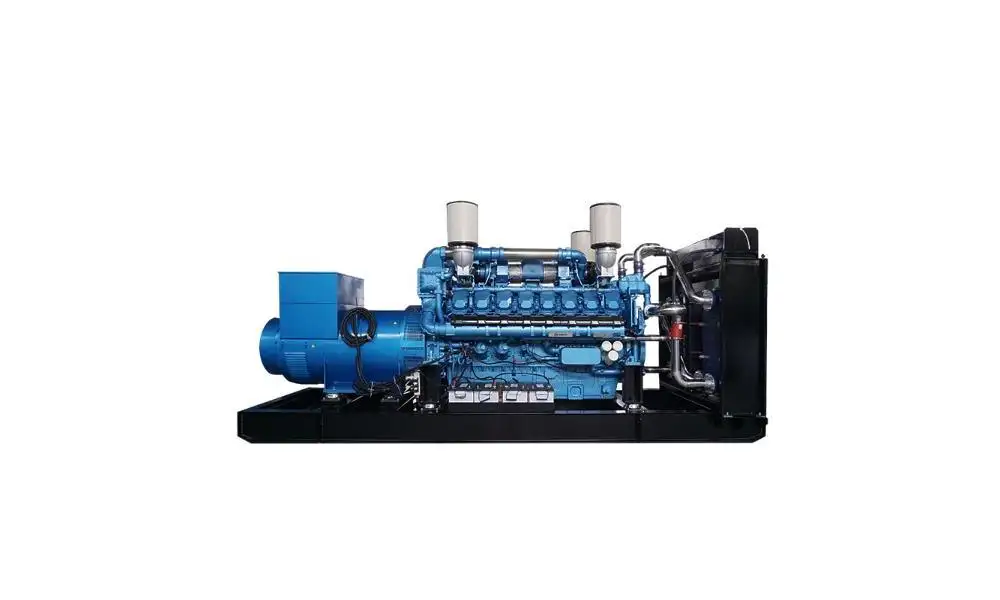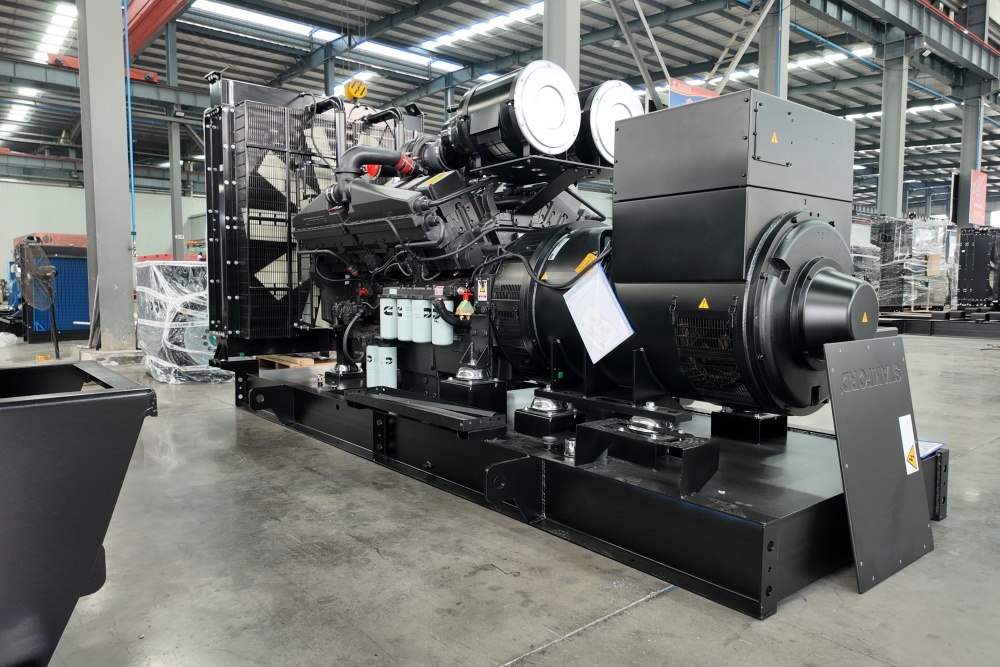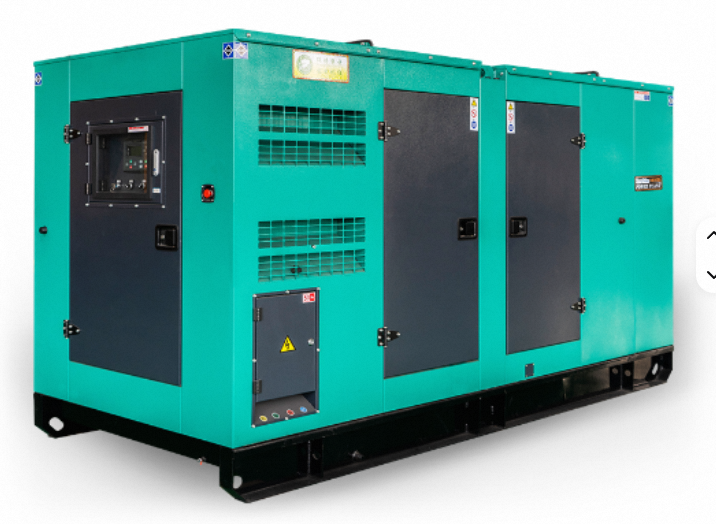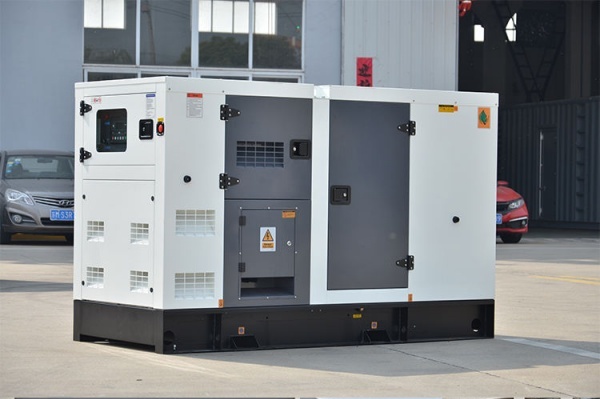

Correct maintenance of a diesel genset requires adhering to NFPA 110 standards, where 80% of start-up failures are linked to battery or fuel degradation. Monitoring fuel stability—since oxidation occurs within 6 to 12 months—and performing annual load bank tests at 75% capacity prevents “wet stacking” and 15% efficiency losses. Monthly inspections of coolant pH levels and oil viscosity ensure the engine maintains its 42% thermal efficiency rating, while implementing a 52-point preventative schedule reduces unplanned repair costs by 60%, guaranteeing the unit delivers its rated kilowatt output during grid collapses.
Standard operation often involves running units at low loads, which leads to unburnt fuel accumulating in the exhaust manifold, a condition known as wet stacking that affects 45% of standby systems. This carbon buildup restricts the turbocharger’s volumetric efficiency, forcing the engine to consume 10% more fuel to maintain frequency stability under sudden load changes.
According to 2025 industrial power surveys, units that underwent a 2-hour load bank test at 80% capacity saw a 90% reduction in exhaust particulate matter compared to units that only ran idle tests.
Clearing these deposits ensures that the internal combustion temperature stays within the designed 450°C to 550°C range, protecting the piston rings from premature seizing. Maintaining this thermal balance is the first step toward extending the mechanical lifespan of the engine beyond the standard 20,000-hour overhaul threshold.
| Maintenance Category | Specific Action Item | Quantifiable Metric |
| Fuel System | Water Titration Test | Keep below 200 ppm |
| Lubrication | Total Base Number (TBN) | Replace if >50% drop |
| Cooling | Nitrate Concentration | Maintain 800-2400 ppm |
| Starting | Battery Conductance | Replace if <80% of CCA |
Fuel quality remains a variable that dictates the health of the high-pressure common rail (HPCR) injectors, which operate at pressures exceeding 30,000 psi. Water contamination as low as 0.05% can cause cavitation in these injectors, leading to a distorted spray pattern that ruins fuel economy and increases nitrogen oxide emissions.
Using a fuel polishing system to remove particulates larger than 2 microns preserves the 5-micron tolerances found in modern fuel pumps. This proactive filtration prevents the clogging of primary filters, which is responsible for 35% of engine shutdowns during the first 4 hours of an emergency run.
Laboratory analysis from 2024 showed that diesel stored for over 9 months without biocides developed microbial growth that reduced fuel flow by 25% across standard 10-micron filtration media.
Preventing this blockage ensures that the diesel genset receives a consistent flow of energy-dense liquid, allowing it to respond to 100% transient load steps without a frequency dip. Stable fuel delivery is the backbone of the system’s ability to protect sensitive medical or data center equipment from voltage sags.
Battery health monitoring goes beyond checking terminal voltage, as a battery showing 12.6V can still fail under the 400-amp draw required by a starter motor. Implementing monthly impedance testing identifies internal plate sulfation, a factor that contributes to 1 in 3 fail-to-start events in commercial backup scenarios.
| Component | Replacement Interval | Data Frequency |
| Lead-Acid Battery | 24 – 36 Months | Monthly Impedance Check |
| Air Filter | 500 Hours / Annual | Weekly Differential Pressure |
| Fuel Injectors | 5,000 – 8,000 Hours | Annual Flow Calibration |
| Drive Belts | 1,000 Hours | Monthly Tension Inspection |
Oil analysis serves as a diagnostic window, detecting copper or lead traces that indicate bearing wear long before a physical knock is heard. A 2024 study of 500 manufacturing plants found that oil sampling every 250 hours predicted 92% of potential engine failures, allowing for scheduled repairs during planned downtime.
This predictive data prevents the $9,000-per-minute loss associated with unplanned outages in high-output industrial environments. Beyond the engine, the alternator’s insulation resistance must be tested to ensure it hasn’t absorbed moisture, which can cause internal shorts and a total loss of power generation.
Test results on a 1,500 kW unit in a high-humidity coastal environment showed that space heaters reduced moisture accumulation in the windings by 70%, maintaining a 2-megohm resistance level.
Maintaining these heaters and checking the tightness of electrical busbars prevents resistive heating, which can waste up to 2% of the generator’s total output as heat. These small gains in electrical efficiency ensure the system operates at its maximum nameplate capacity when ambient temperatures exceed 40°C.
Cooling system chemistry is often overlooked, yet the depletion of Supplemental Coolant Additives (SCAs) leads to liner pitting and cylinder failure. A balanced 50/50 glycol mixture with correct nitrate levels prevents the formation of air bubbles that can erode metal surfaces at 15,000 cycles per second.
A 2025 engineering report noted that engines using Extended Life Coolant (ELC) experienced 20% fewer water pump seal failures over a 10,000-hour service window compared to standard mixtures.
Properly maintained cooling fans and radiators allow the unit to reject heat effectively, ensuring the engine does not enter a “limp mode” or emergency shutdown during a heatwave. This thermal reliability is what allows diesel systems to remain the primary choice for over 78% of the world’s Level I trauma centers.
Digital control systems require periodic firmware updates to optimize fuel injection timing based on the latest performance data from the manufacturer. These updates can improve cold-start reliability and reduce fuel consumption by an additional 1.5%, contributing to a lower total cost of ownership over the unit’s lifespan.
Integrating these technical steps into a cohesive strategy ensures that the hardware performs as a precision instrument rather than a passive backup. Regular maintenance turns the theoretical reliability of a power system into a documented reality, providing the quantitative proof needed to verify facility readiness for any grid event.