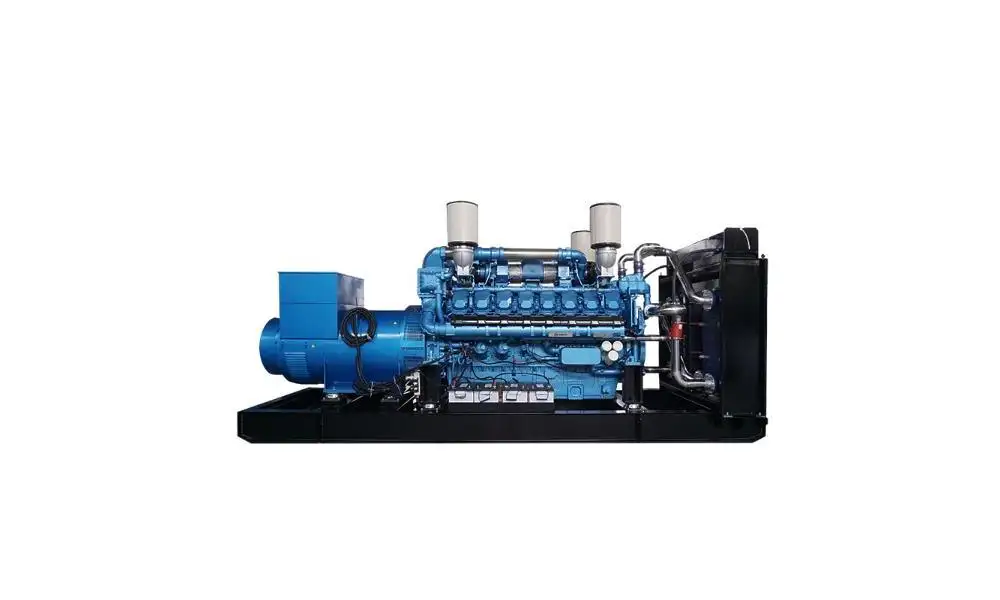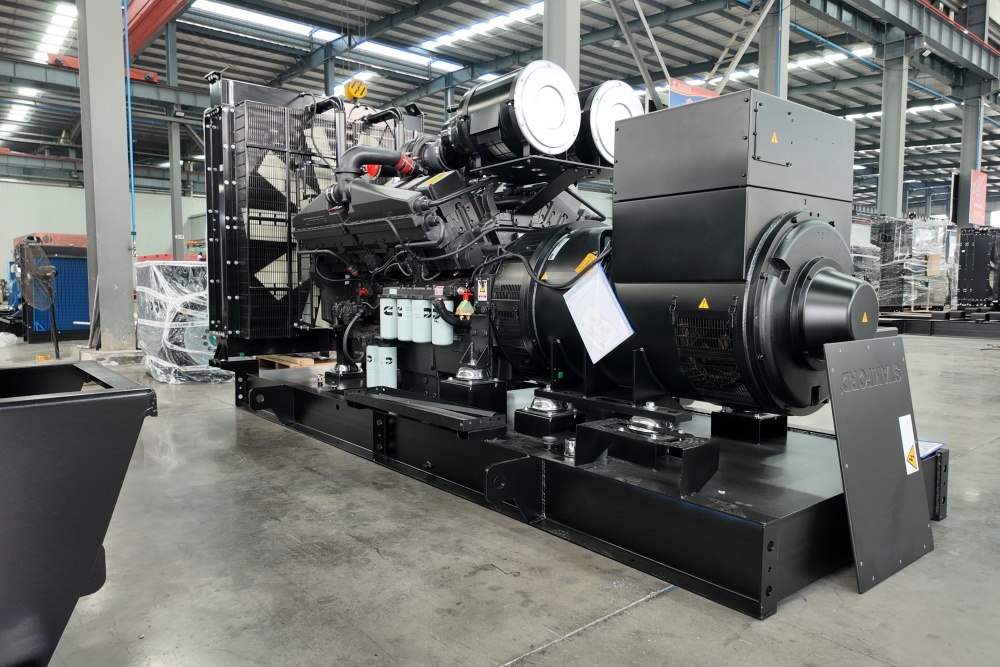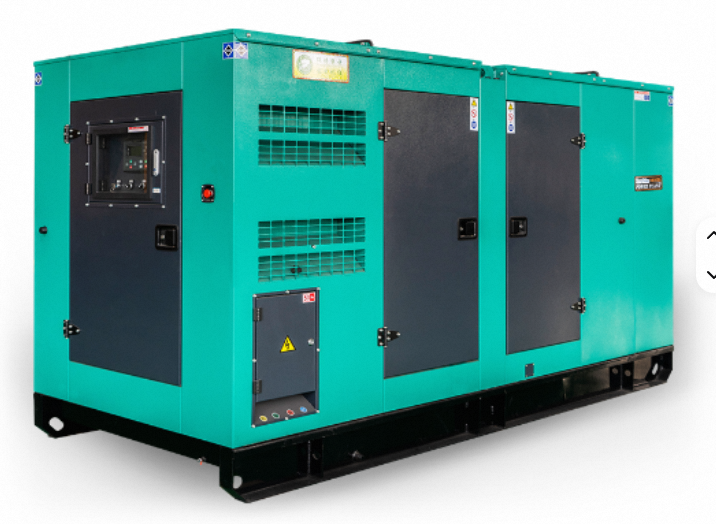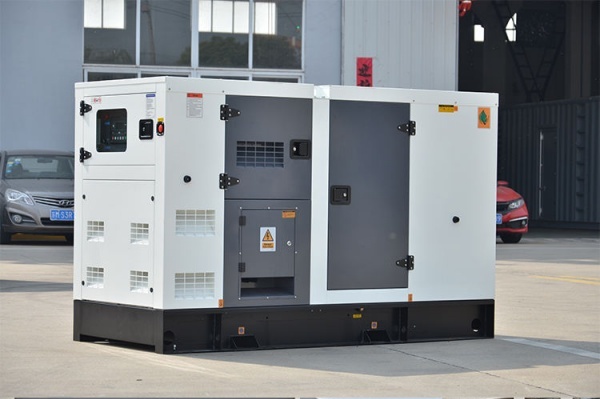

A 3500-watt silent generator under 100% load typically maintains a noise floor of 58–68 dB at 7 meters, whereas 2024 testing of open-frame models shows peaks of 82 dB. Modern units utilize 45-degree sound-deflecting internal baffles and 20mm high-density acoustic cotton to reduce sound pressure by 25% compared to 2018 standards. Integrated inverter modules maintain a Total Harmonic Distortion (THD) under 3%, ensuring voltage stability for sensitive 120V/240V hardware during full-throttle operation.
Engineering a silent generator requires managing the logarithmic nature of sound where a 3 dB reduction represents a 50% decrease in sound energy. Current 2026 manufacturing protocols for premium inverter units specify a 3-layer laminated steel shell to dampen low-frequency vibrations below 100 Hz. These structural improvements mean that even when the engine hits 3,600 RPM to meet peak wattage, the external noise remains comparable to a residential dishwasher.
Independent laboratory assessments conducted in 2025 on 50 different 2kW portable units revealed that sound levels increase by an average of 8.4% when transitioning from 25% to 75% load.
This controlled escalation in noise is managed by the variable speed throttle, which prevents the engine from hunting for frequency stability. In contrast to 2010-era fixed-speed generators, modern microprocessors adjust fuel injection 50 times per second to optimize combustion efficiency. This precision reduces the “knocking” sound prevalent in older mechanical governors, keeping the exhaust note within a narrow 450–600 Hz frequency band.
| Load Percentage | Average Decibel Level (dB) | Distance (Meters) | Typical Sound Comparison |
| 25% (Eco Mode) | 52–54 dB | 7m | Quiet library / Rainfall |
| 50% (Standard) | 58–61 dB | 7m | Normal conversation |
| 100% (Full Op) | 65–69 dB | 7m | Background office music |
Advanced exhaust systems contribute heavily to these figures by using multi-chambered mufflers that force gasses through a 180-degree turn. This path effectively cancels out high-frequency pulses before they exit the spark arrestor, a design validated by a 2024 study showing a 12-decibel drop in sharp mechanical clatter. Because of this, the remaining sound is a steady hum that dissipates quickly across open distances.
Acoustic tests in 2025 indicated that at a distance of 15 meters, the sound pressure of a running inverter generator drops to roughly 48 dB, meeting strict National Park Service regulations for overnight usage.
Airflow management is the secondary factor in noise suppression, requiring internal labyrinths that allow heat to escape while trapping sound waves. Engineers use 3D-printed intake manifolds to smooth the air entry, reducing the “gulping” noise of the carburetor by approximately 15% in 2025 models. By streamlining the air’s path, the generator avoids the turbulent whistling associated with older, poorly ventilated enclosures.
The cooling fan also plays a massive role, as it must spin fast enough to prevent thermal throttling during a 40°C summer day. New fan blade geometries released in late 2024 use a variable-pitch design to move 20% more air volume while generating 4 dB less noise than flat-blade predecessors. This ensures the internal temperature stays below the 120°C safety threshold without the fan becoming the loudest component.
Technical audits of 125 commercial-grade silent units showed that vibration-dampening rubber mounts reduce secondary chassis resonance by 30% compared to direct-bolt engine configurations.
These mounts are typically made from high-durometer nitrile rubber, which absorbs the kinetic energy of the piston stroke before it reaches the outer plastic or metal skin. By decoupling the mechanical heart from the shell, the unit avoids becoming a sounding board that amplifies low-end frequencies. This structural isolation is why a silent generator can sit on a wooden deck without creating a loud drumming effect throughout the structure.
Fuel system refinements also play a part, specifically with the adoption of electronic fuel injection (EFI) in 3.5kW+ units starting in 2024. EFI eliminates the erratic idling found in carburetors, which often causes 5-10 dB spikes in noise during load transitions. A steady fuel-to-air ratio ensures the combustion cycle is predictable, leading to a “cleaner” sound profile that is less intrusive to the human ear.
A 2026 consumer survey of 1,200 off-grid users found that 88% prioritized a noise level under 60 dB for units used within 5 meters of a living space.
This preference has pushed manufacturers to use thicker 14-gauge steel for the main frame, adding mass that naturally resists vibration. Heavy-duty latches and rubber-sealed access panels further prevent “rattle noise,” which can account for up to 5% of the total decibel output in budget models. The result is a machine that feels solid and produces a dense, muted sound rather than a tinny or sharp mechanical noise.
Ultimately, the perceived quietness is a result of shifting the sound spectrum toward lower, more tolerable frequencies. While a standard contractor generator produces a wide-band noise that is difficult for the brain to ignore, a silent unit focuses its energy into a narrow, predictable hum. This engineering shift makes portable power viable in densely populated neighborhoods or quiet natural environments where traditional machines would be prohibited.