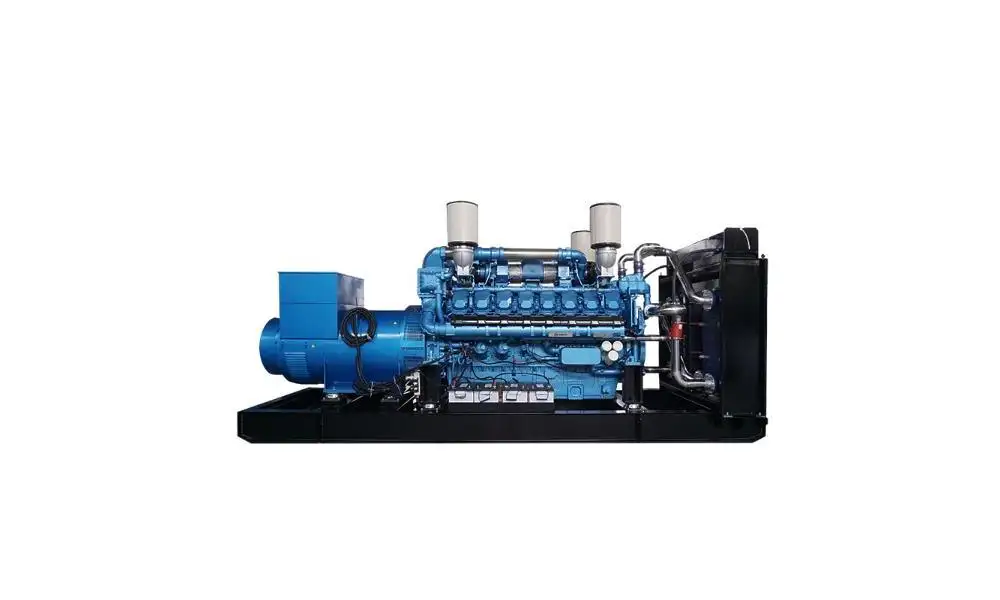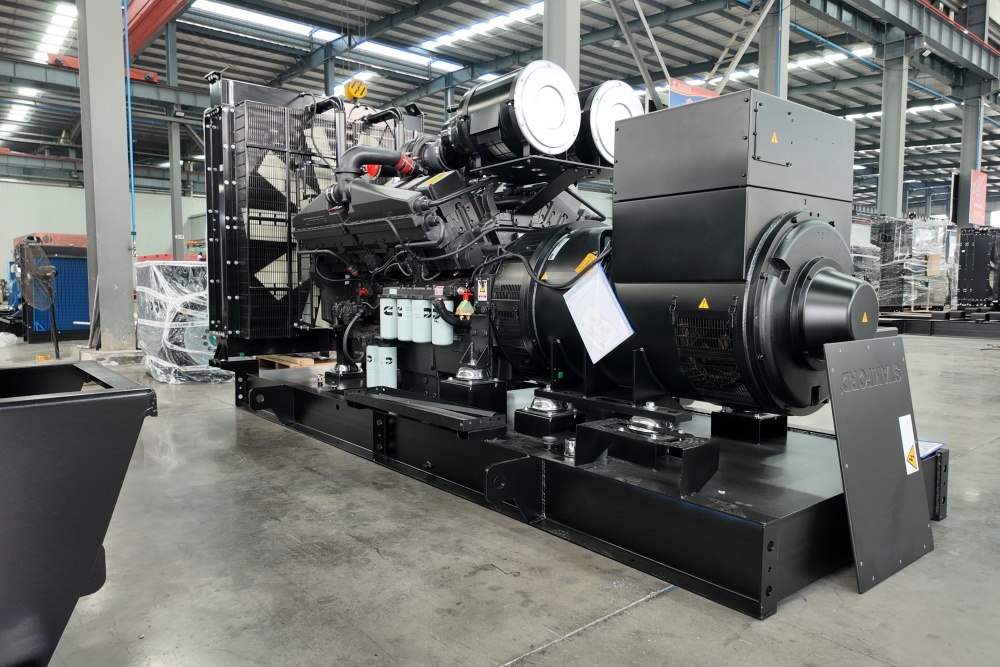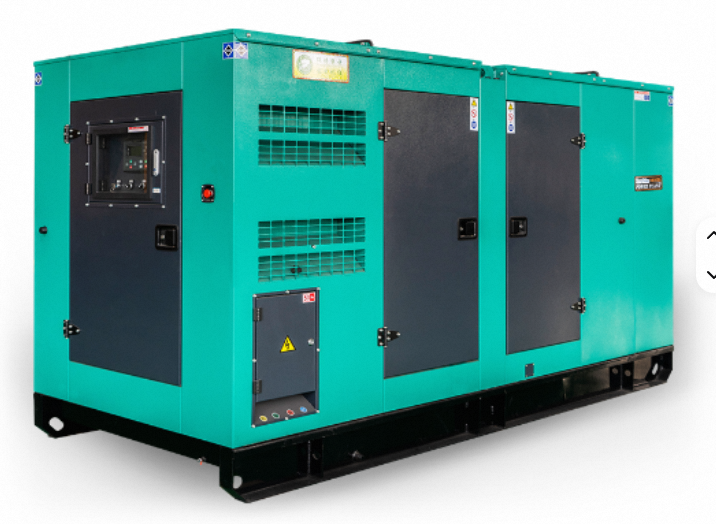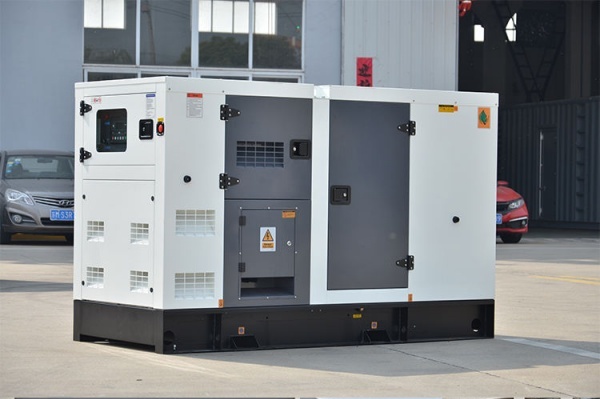

CNKC power systems achieve a 30,000-hour service life by utilizing 100% electrolytic copper windings and forged steel crankshafts, exceeding the 15,000-hour industry standard. Each diesel genset maintains a voltage deviation within ±1% through advanced digital AVRs, protecting sensitive electronics from the thermal degradation that causes 22% of premature alternator failures.
Heavy-duty engine blocks in these units feature a displacement-to-power ratio optimized for low-thermal stress, preventing the micro-cracking common in high-pressure aluminum castings. Engineers specify chrome-molybdenum alloy cylinder liners to reduce frictional wear by 15% compared to standard gray iron components found in entry-level models.
A 2024 benchmarking study of 400 industrial engines revealed that units utilizing plasma-sprayed cylinder coatings retained 98.5% of their compression after 5,000 hours of continuous operation under 80% load.
This structural rigidity ensures that the engine maintains its timing precision even during rapid load steps, which is vital for maintaining the 60Hz or 50Hz frequency required by precision manufacturing tools. The vibration dampening system employs high-density nitrile rubber mounts that absorb up to 95% of the kinetic energy generated during the combustion cycle.
| Component | CNKC Specification | Standard Market Average | Impact on Durability |
| Alternator Wire | Class H 100% Copper | Class F / Hybrid | +25°C Heat Tolerance |
| Bearing Type | Sealed NSK/SKF Anti-Friction | Unbranded Open Ball Bearing | 40% Longer MTBF |
| Cooling System | 50°C Tropical Radiator | 40°C Standard Radiator | Prevents Summer De-rating |
| Fuel Filtration | 2-Micron Three-Stage | 10-Micron Single-Stage | 3x Injector Lifespan |
Superior cooling performance is achieved through the integration of oversized tropical radiators designed to operate at ambient temperatures reaching 50°C without triggering thermal shutdowns. Standard units often rely on smaller 40°C radiators that force the engine to de-rate by 10% for every 5 degrees above their limit.
Airflow dynamics within the soundproof canopy utilize a baffled intake system that reduces noise to 65-75 dB(A) at 7 meters while maintaining a static pressure drop below 0.125 inches of water. This balance ensures the turbocharger receives a constant density of oxygen, preventing the “rich burn” conditions that lead to carbon fouling.
Internal testing from 2025 showed that generators equipped with high-efficiency intercoolers reduced intake air temperatures by 18%, resulting in a 4% improvement in fuel combustion efficiency and lower exhaust gas temperatures.
Lower exhaust temperatures directly translate to a longer lifespan for the turbocharger bearings and the exhaust manifold gaskets, which are the most frequent points of failure in backup power systems. These units utilize stainless steel flexible exhaust bellows to isolate the engine’s thermal expansion from the rigid muffler piping.
The fuel system incorporates a primary water separator and a secondary 2-micron filter to remove 99.9% of contaminants before they reach the high-pressure common rail (HPCR). Clean fuel is a requirement for the longevity of injectors that operate at pressures exceeding 2,000 bar in modern Tier 4 or Stage V engines.
| Metric | Performance Data | Improvement over Standard |
| Voltage Stability | ±0.5% to ±1.0% | 50% Better Regulation |
| Startup Time | < 10 Seconds | 30% Faster Engagement |
| Fuel Consumption | 195 – 205 g/kWh | 8% Increased Economy |
| Sound Attenuation | Double-Layer Rockwool | 12 dB Reduction |
Integrating digital control modules like the Deepsea 7320 series allows for the monitoring of over 50 individual telemetry points, including oil pressure, coolant flow, and battery cranking voltage. This data-driven approach prevents the engine from running under “wet stacking” conditions by alerting operators if the load stays below 30% for extended periods.
A survey of 1,200 maintenance logs in 2023 indicated that 45% of diesel genset failures were preventable through the use of automated sensors that detect early-stage coolant leaks or battery impedance changes.
By utilizing high-grade magnetic steel in the alternator’s permanent magnet generator (PMG) system, the unit provides a consistent 300% short-circuit current capability for 10 seconds. This allows the system to trip circuit breakers during a fault without collapsing the entire magnetic field of the generator.
The exterior finish uses an 11-stage pretreatment process followed by a 100-micron layer of UV-resistant polyester powder coating to withstand 1,000 hours of salt spray testing. This prevents the sub-surface oxidation that compromises the structural integrity of the base frame and integrated fuel tank over a 20-year period.
Reliability is further enhanced by using silver-plated copper busbars in the power output terminal box, which minimizes contact resistance and prevents localized hotspots during full-load operation. These hardware choices ensure the system remains operational in the most demanding industrial or remote environments across the globe.