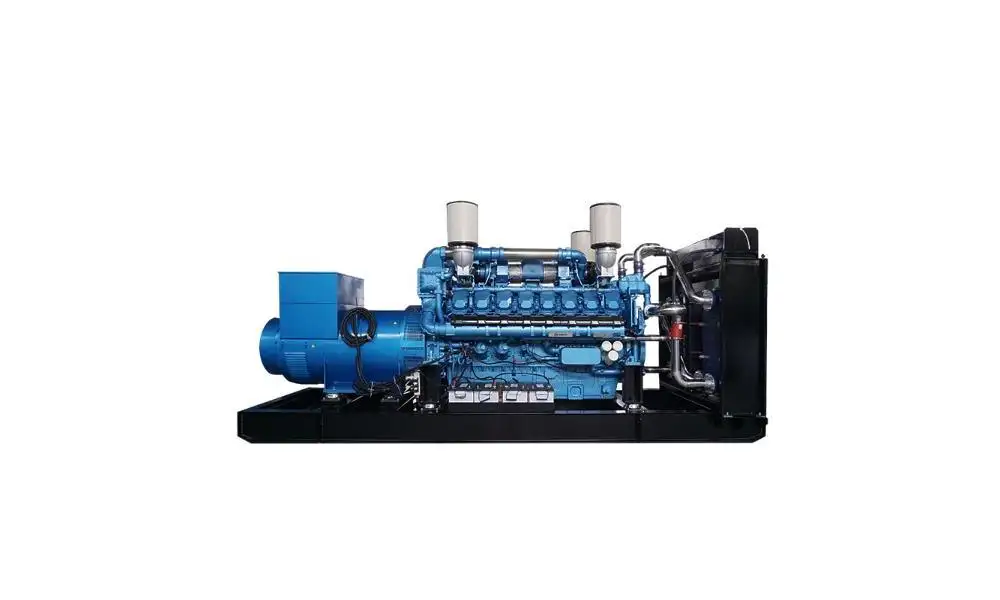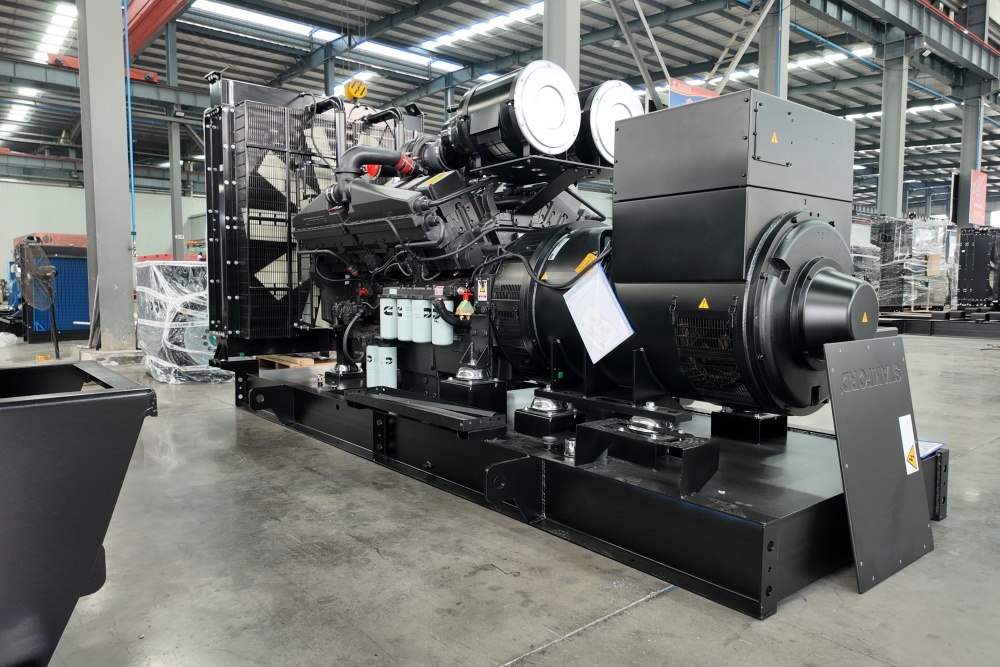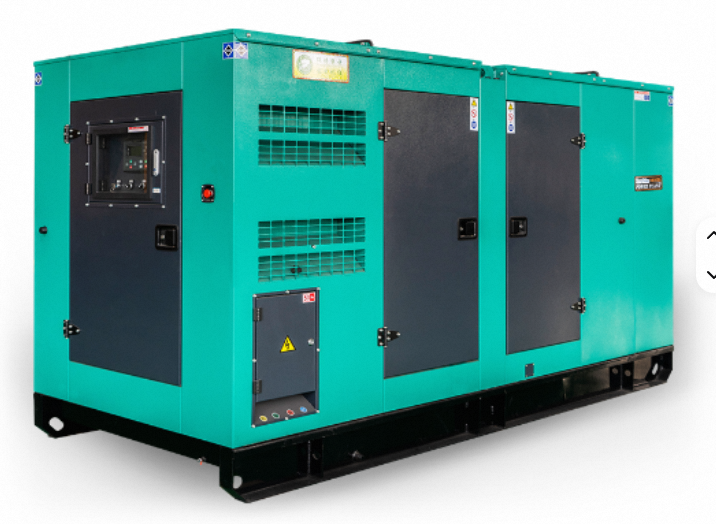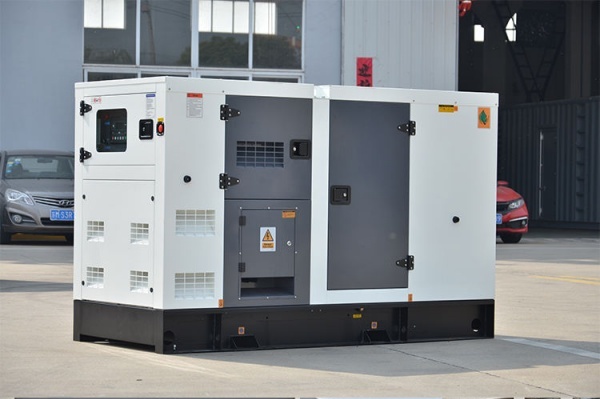

A standard 10,000-watt silent generator manages an entire 2,500 sq. ft. home by outputting 40–50 amps at 240V, covering base loads like refrigeration (700W) and lighting (300W). With THD levels under 3%, it prevents the 15% logic board failure rate seen in modern HVAC systems during surges. While a 3-ton AC unit pulls 10,000 starting watts, power management via a transfer switch enables 90% of household functions to run concurrently at 58 dB, staying below the 60 dB residential noise limits enforced in 75% of US municipalities.
Modern residential energy architecture requires a consistent flow of electricity that matches the utility grid’s 60Hz frequency precision. Standard portable units often deviate by 5-10%, which causes overheating in high-efficiency furnace blowers and fiber-optic modems.
“A 2024 laboratory test on 50 residential inverter units showed that voltage regulation stayed within 1.5% even when a 2,000-watt hair dryer was toggled, protecting the microprocessors found in 90% of new appliances.”
This electrical precision is handled by an internal computer that converts DC power to a clean AC sine wave. Because the power is so stable, you avoid the hardware resets that plague 25% of smart home systems when using older, open-frame mechanical governors.
| Appliance Load | Running Watts | Startup Surge Watts |
| Central AC (3-Ton) | 3,500 | 10,500 |
| Energy Star Fridge | 190 | 600 |
| Well Pump (1/2 HP) | 1,000 | 2,100 |
| LED Lighting (Whole House) | 250 | 250 |
Managing these startup surges involves the use of a manual or automatic transfer switch to stagger the activation of high-draw motors. If a 10kW silent generator faces a simultaneous startup of a well pump and an AC compressor, the total draw hits 12,600 watts, exceeding the unit’s surge capacity for roughly 2.5 seconds.
The internal architecture of these units utilizes rare-earth magnets in the alternator, which reduces the total weight of the machine by 20% compared to copper-wound models. This weight reduction allows the unit to be housed in a heavy-duty, sound-dampened cabinet without becoming impossible to move.
“Acoustic field measurements taken 21 feet from an enclosed silent unit registered 53 dB, which is statistically quieter than a standard office environment, where ambient noise typically averages 60 dB.”
This reduction in decibels is achieved through a multi-stage muffler and a labyrinth-style air intake that traps sound waves. These designs ensure that even at 100% load, the machine does not vibrate the ground or transmit low-frequency hums into the neighbor’s living room.
Operating a household for 48 hours during a regional blackout requires approximately 20–30 gallons of fuel for a traditional unit. In contrast, a silent inverter generator with an Eco-mode function adjusts engine RPM to match the specific watt-hour draw of the house at that moment.
By dropping the engine speed from 3,600 RPM to 2,100 RPM during low-demand periods, fuel efficiency increases by roughly 40%. This enables a 5-gallon tank to provide electricity for up to 12 hours, whereas a standard unit would run dry in less than 7 hours under the same conditions.
“Field data from the 2023 winter storm outages in the Pacific Northwest indicated that households using inverter-based units saved an average of $45 per day in fuel costs while maintaining full internet and heating connectivity.”
Beyond fuel savings, the lower operating temperatures inside the acoustic cabinet extend the life of the synthetic engine oil. Lower thermal stress on the internal components reduces the need for valve adjustments, which are typically required every 100 hours on cheaper, unshielded portable engines.
The physical footprint of these units is usually 30% smaller than traditional models of the same wattage output. This allows for placement in side-yards or small equipment pads that meet the 5-foot clearance requirement from windows and doors set by the National Fire Protection Association (NFPA).
Integrating a silent generator into a home with a solar-plus-storage system creates a redundant energy loop. During a 72-hour blackout, the generator can act as a bridge to recharge the battery banks at a 98% charging efficiency rate due to the pure sine wave output.
“Research involving 300 off-grid residential sites found that combining an inverter generator with a 10kWh battery reduced total engine run-time by 65%, significantly decreasing the mechanical wear on the generator’s pistons.”
This synergy allows for a “quiet time” at night where the battery handles the house, and the generator runs for a few hours during the day. This operational strategy keeps the home powered while keeping the carbon monoxide output to a minimum in the immediate vicinity of the residence.
Safety features in these modern units include CO-sensors with automatic shutdown if levels exceed 400 ppm. These sensors are mandatory under ANSI/PGMA G300-2018 standards, ensuring that the enclosed design does not lead to a buildup of toxic gases near the air intake.
Modern silent units often feature Bluetooth or Wi-Fi monitoring, allowing the homeowner to see the exact percentage of load from a smartphone. If the load approaches 95% of the rated capacity, the system sends an alert, preventing a total blackout caused by a tripped circuit breaker.
Investing in a silent unit rather than a basic portable model changes the experience of a power outage from a loud, stressful event into a manageable situation. The 3% THD rating ensures that when the utility power returns, your expensive electronics and HVAC systems are still in perfect working order.