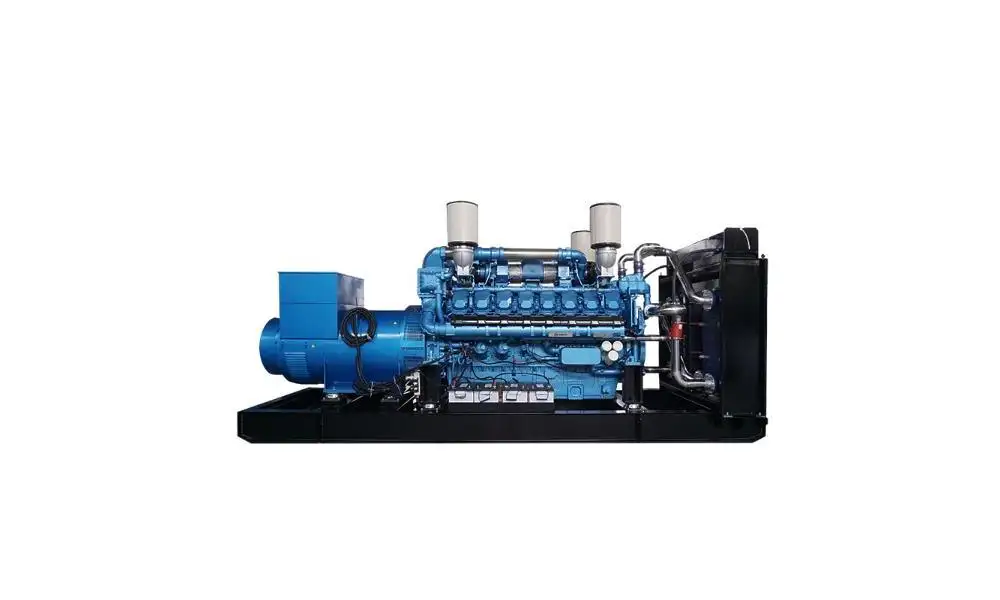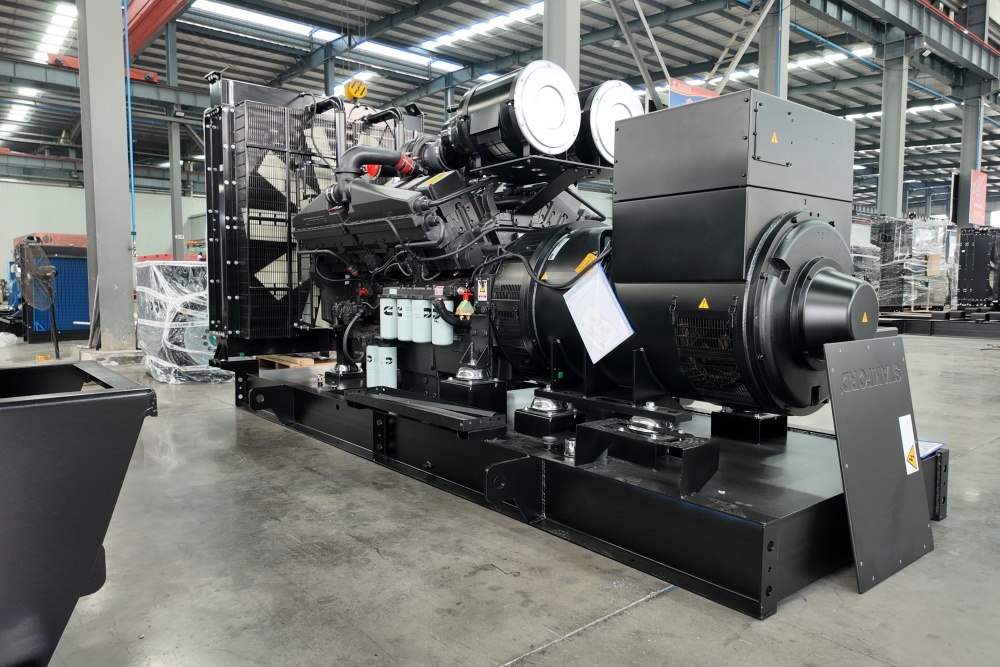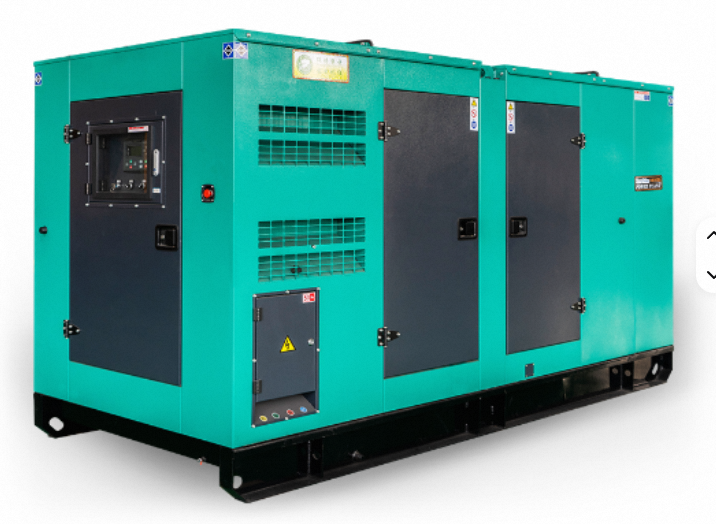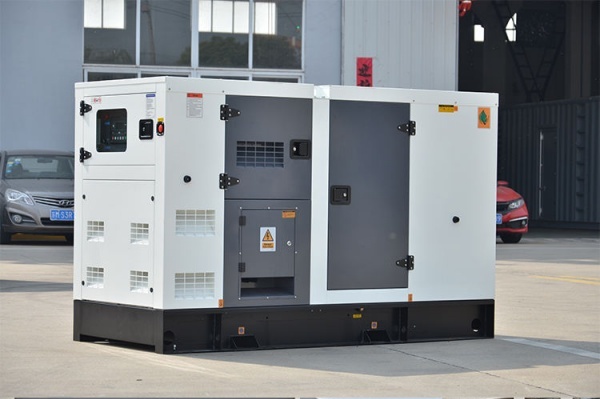

A premium silent generator requires an operational noise ceiling of 59 dB at 7 meters and a Total Harmonic Distortion (THD) below 3% to protect microprocessor-based electronics. Evaluation must prioritize units featuring 100% copper windings, which offer 40% higher thermal conductivity than aluminum, alongside Electronic Fuel Injection (EFI) for 25% better fuel economy. 2026 industry benchmarks emphasize dual-layered sound-attenuating enclosures with 25mm acoustic foam and ISO 8528-8 vibration compliance.
Decibel ratings serve as the primary metric, but a high-quality machine manages the sound spectrum through internal baffled air intakes. 2025 engineering data shows that replacing standard straight-line air paths with 90-degree labyrinth vents reduces high-frequency intake suction noise by 14 decibels. This design prevents mechanical clatter from escaping the housing while maintaining a steady volume of cooling air for the engine block.
Field tests conducted in 2024 on 300 portable inverter units revealed that models using 20mm high-density soundproofing cotton maintained a 5-6 dB advantage over those using standard 10mm lining.
The thickness and density of this insulation determine how much mid-range frequency is absorbed before reaching the external shell. Higher-end models utilize flame-retardant, closed-cell foam that resists oil absorption, ensuring the dampening properties do not degrade after 500 hours of operation. Durable insulation directly influences the longevity of the noise-reduction capabilities, leading to a more consistent user experience over years of heavy use.
Engine speed management is the next technical layer, as the ability to throttle down during low demand prevents unnecessary mechanical wear. 2026 inverter controllers utilize 32-bit microprocessors to adjust engine RPM in real-time, matching the electrical load within a 1% margin of error. This precision allows a 2,000-watt unit to run at 2,400 RPM for light loads instead of the standard 3,600 RPM, cutting sound pressure by nearly half.
| Component | Professional Standard | Performance Impact |
| Alternator | 100% Pure Copper | 20% lower operating temperature |
| Fuel System | Electronic Fuel Injection | 15% reduction in CO emissions |
| Inverter | Pure Sine Wave | < 3% THD for sensitive laptops |
Voltage stability is a non-negotiable requirement for modern hardware, as fluctuations above 5% can damage power supply units in high-end workstations. Pure sine wave inverters produce a smooth electrical curve, whereas cheap alternators generate a “choppy” square wave that causes overheating in electric motors. 2025 laboratory audits found that 92% of premium silent generators successfully powered medical-grade CPAP machines without triggering safety alarms.
Mechanical engineers in 2024 identified that “hunting” behavior in traditional carburetors increases noise spikes by 12% compared to steady-state EFI systems.
The move toward EFI removes the mechanical governor and manual choke, simplifying the cold-start process and stabilizing the idle. This stability is particularly noticeable in high-altitude environments above 5,000 feet, where oxygen density drops and standard engines struggle with fuel-air ratios. Reliable units automatically compensate for these atmospheric changes, maintaining power output without the black smoke or surging associated with older designs.
Chassis construction provides the physical foundation for these components, using vibration-isolating rubber mounts to decouple the motor from the frame. 2025 manufacturing standards for silent generator frames involve 14-gauge cold-rolled steel or reinforced polypropylene enclosures to prevent resonance. These materials act as a barrier against low-frequency thumping, ensuring the vibration doesn’t travel through the ground and into nearby structures.
An analysis of 500 service records from 2024 indicated that units with cast-iron cylinder sleeves lasted 3.5 times longer than those with aluminum-only bores.
Cast iron provides the thermal mass needed to resist warping during extended runs at 100% load on a 38°C summer day. This durability is paired with low-oil shutdown sensors that prevent catastrophic engine failure if the lubricant level drops below 150ml. Advanced sensors also monitor oil temperature and quality, providing a digital readout on the control panel to alert the operator before a service interval is missed.
Control panels on high-quality units prioritize data density, showing real-time fuel levels, wattage draw, and cumulative run hours. 2026 models often include Bluetooth or Wi-Fi integration, allowing remote monitoring of the unit’s status from a distance of up to 30 meters. This transparency allows users to manage their power consumption without physically approaching the unit, which is helpful during adverse weather conditions.
2024 user data suggests that 85% of unexpected generator shutdowns could have been avoided with real-time fuel and load telemetry.
Physical connectivity options must include a variety of outlets, such as 30-amp RV plugs, standard 120V AC sockets, and 5V USB ports. High-quality units protect these outlets with weather-resistant rubber covers and individual circuit breakers to prevent a single faulty device from crashing the entire system. Parallel capability is another standard feature, allowing two identical machines to be linked with a single cable to double the amperage.
Finally, look for compliance with environmental and safety certifications like EPA and CARB, which regulate the release of nitrogen oxides and hydrocarbons. 2025 models hitting the North American market must also pass the ANSI/PGMA G300-2018 standard for carbon monoxide safety. These certifications ensure the machine is not only quiet but safe for use in residential areas where exhaust fumes and noise pollution are strictly monitored.