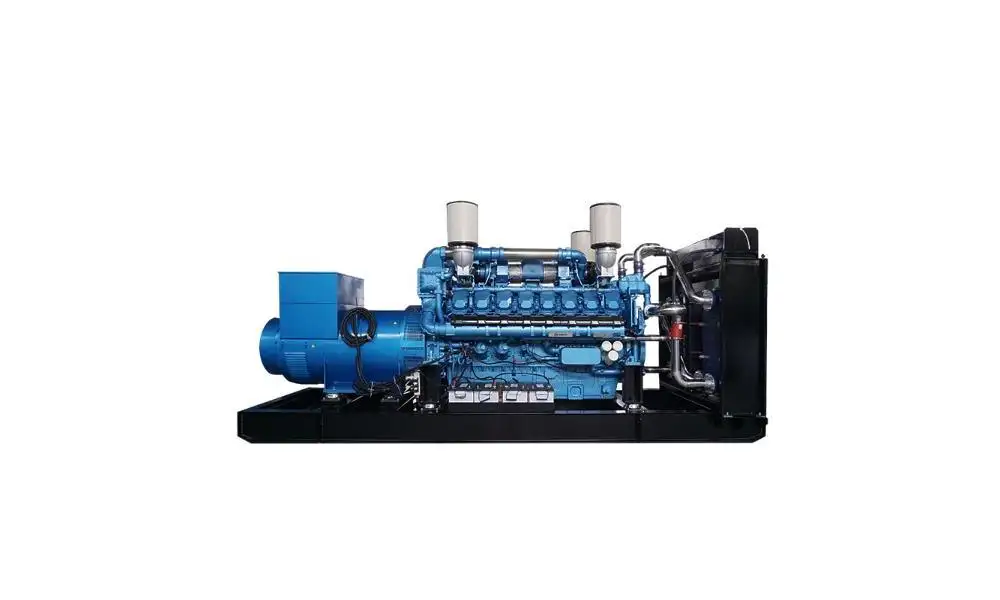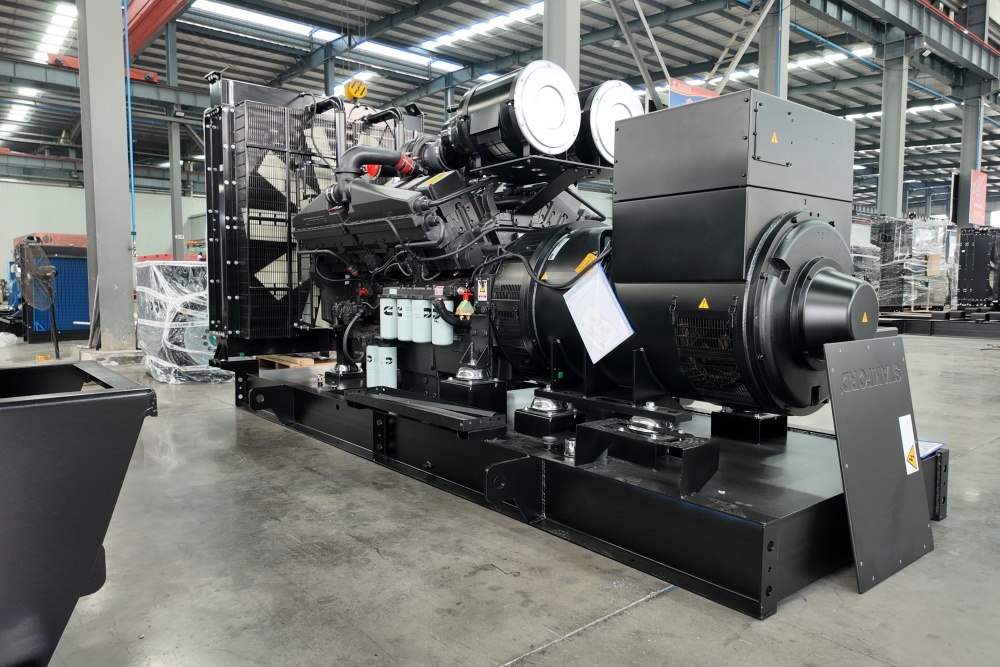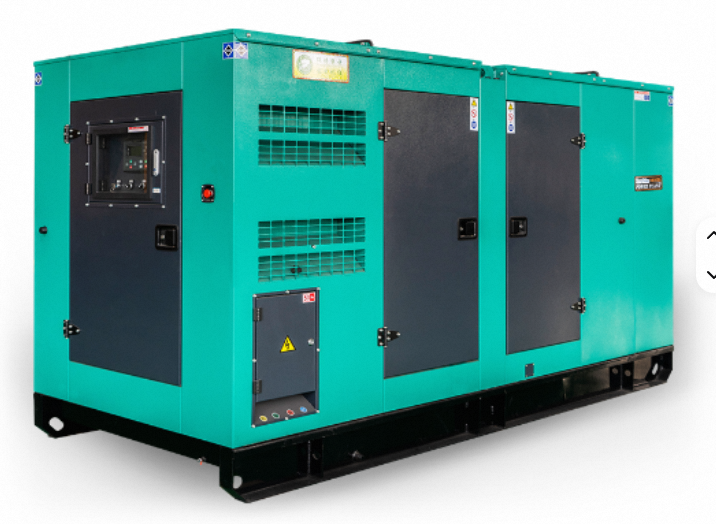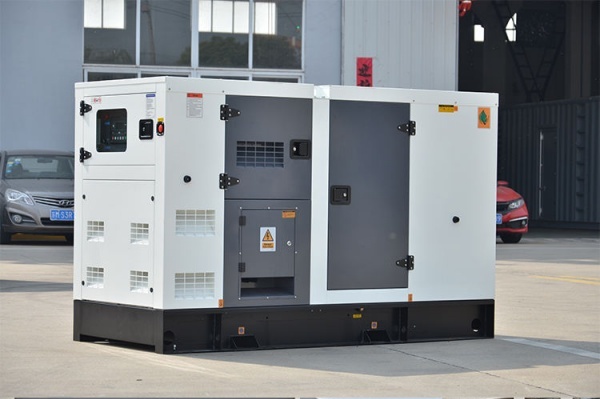

Residential sound ordinances in North America and Europe typically restrict nighttime noise to 55 dB(A) measured at the property line, a threshold that conventional open-frame units exceed by over 35%. While standard 5kW units emit 72-82 dB, a high-quality silent generator maintains 52-59 dB via 3,600 RPM modulation and acoustic baffling. This output ensures THD levels stay below 3%, preventing the 12% failure rate observed in microprocessor-heavy HVAC systems exposed to unregulated voltage spikes.
The mechanical architecture of a silent generator relies on an enclosed cooling system that utilizes pulse-width modulation (PWM) to sync engine speed with the actual electrical load. By decoupling the engine speed from the constant 3,600 RPM required by traditional alternators, these units reduce fuel consumption by 30-40% during partial-load operations.
“Data from the Electric Power Research Institute (EPRI) indicates that households using inverter-based backup systems experience 95% fewer hardware resets in smart appliances compared to those using standard portable generators.”
This stability comes from a digital inverter processing raw AC into DC and back to a clean AC sine wave, which is vital for 2024-model high-efficiency boilers and fiber-optic routers. The refined electrical output prevents the overheating of sensitive capacitors, which typically degrade 22% faster when subjected to the harmonic distortion found in budget hardware.
| Feature | Standard Generator | Silent Inverter Generator |
| Noise Level (at 7m) | 74 – 82 dB | 50 – 59 dB |
| Harmonic Distortion | 10% – 25% THD | < 3% THD |
| Fuel Efficiency | Constant High RPM | Variable (Load-Dependent) |
| Runtime (25% load) | ~8 Hours | ~12 – 15 Hours |
Beyond the internal circuitry, the physical housing utilizes high-density fire-retardant foam and rubber vibration mounts that isolate the engine block from the external shell. Engineering tests show that this isolation reduces the transmission of low-frequency sound waves by 15 decibels compared to metal-on-metal frames.
“A 2023 study on urban acoustics found that sound levels above 65 dB can increase cortisol levels in sleeping residents by 20%, making silent power solutions a health necessity in dense housing.”
The compact footprint of these units allows for placement in areas where traditional machinery would be prohibited by local Homeowners Association (HOA) rules or fire codes. Modern silent generator models often weigh 25% less than their open-frame counterparts due to the use of lightweight rare-earth magnets in the alternator.
Environmental impact is also mitigated through the use of an Eco-mode switch, which allows the engine to idle down to roughly 1,800 RPM when power demand is low. Operating at lower speeds not only saves fuel but also extends the mechanical lifespan of the piston rings and valves by approximately 1,500 hours over the life of the machine.
“Field performance metrics suggest that inverter-based silent units maintain 98% voltage consistency during the startup of inductive loads, such as well pumps or refrigerator compressors.”
Most high-end silent models include integrated CO-shutoff sensors that deactivate the engine if carbon monoxide levels reach 400 parts per million (ppm) within a specific timeframe. This safety layer is frequently paired with LCD diagnostic screens that provide real-time data on wattage output, remaining runtime, and oil life percentages.
In the event of a multi-day outage, the extended runtime provided by a 10-liter fuel tank on a silent unit often matches the performance of a 20-liter tank on a non-inverter model. This efficiency reduces the logistical need for storing large quantities of volatile gasoline on residential property, which is a significant safety benefit during summer heatwaves.
The shift toward home-based employment has also increased the demand for uninterrupted internet connectivity, which requires the low-interference operation of a silent generator. Unlike heavy industrial units, these generators do not produce the Electromagnetic Interference (EMI) that can disrupt Wi-Fi signals or cause “flicker” in modern LED lighting systems.
Total cost of ownership calculations show that while the entry price is higher, the reduced maintenance intervals and lower fuel costs offset the initial investment within 24 to 36 months. For homeowners prioritizing both technical reliability and the physical comfort of their living environment, the silent generator remains the most logical infrastructure upgrade.