

Introduction
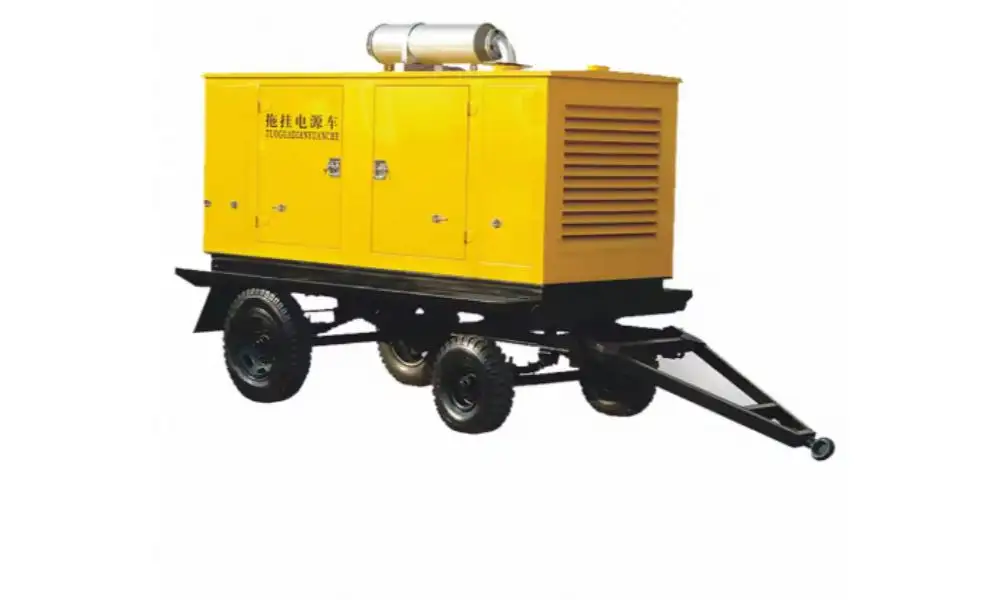
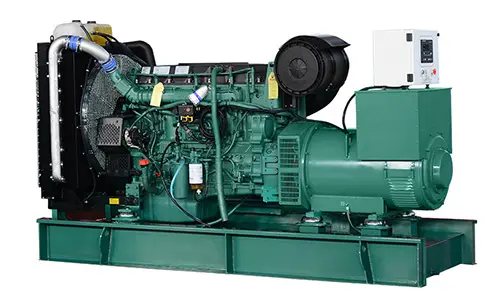
According to the Construction Equipment Guide 2026 industry report, portable diesel generators supply power to tools and equipment in over 90% of off - grid construction projects globally. This article outlines the typical electrical loads a portable diesel generator can support on construction sites, based on equipment power requirements and industry standards. The performance of a portable diesel generator depends on factors like load type, ambient conditions, and maintenance, with actual output potentially varying based on these variables.
Typical Electrical Loads on Construction Sites
Common Equipment Power Requirements
Publicly available equipment specifications indicate:
A concrete mixer (3 - 5 cubic feet) typically requires 5–7 kW of running power.A heavy - duty hammer drill needs 1–2 kW, while a table saw uses 2–3 kW.
Larger equipment like a 1 - ton mini excavator may require 15–20 kW for startup (with a running load of 8–12 kW).
Power Capacity Trends for Construction Generators
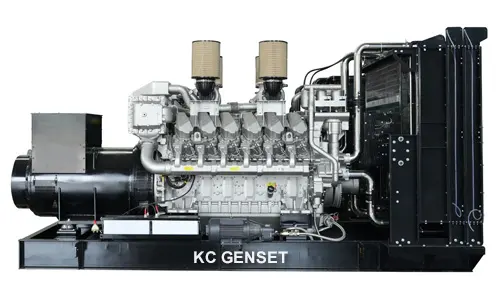
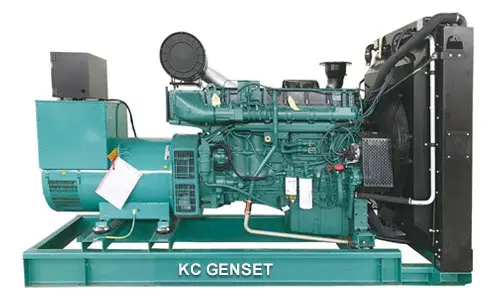
Manufacturers’ public data (e.g., listings for diesel genset for sale) show portable diesel generators for construction commonly range from 5 kW to 50 kW. The 10–20 kW range accounts for 65% of construction site deployments, balancing portability and power needs.
Growth of Portable Power in Construction
Market research from Power Equipment Research (2026) shows the construction sector’s demand for portable diesel generators has grown by 15% annually since 2023, driven by the rise of modular construction and remote job sites.
Technical Reference: Power Calculation & Capacity
To determine what a portable diesel generator can power, follow these industry - standard steps (based on NFPA 110 and IEEE 1584 guidelines):
Sum Running Watts of All Equipment
List the running power (in kW or watts) of each tool/device. For example, a 5 kW generator can run a 3 kW concrete mixer + a 1 kW drill + a 0.5 kW light tower (total 4.5 kW, leaving margin).
Account for Startup Power (Surge Watts)
Inductive loads (e.g., motors) need 2–3 times their running power to start. A generator with 10 kW running power and 20 kW surge capacity can start a 7 kW motor (since 7 kW × 2.5 = 17.5 kW ≤ 20 kW).
Adjust for Ambient Conditions
High temperatures (above 25°C) or altitudes (above 1,000 meters) reduce generator efficiency. A 20 kW generator at 30°C and 2,000 meters may only deliver 18 kW (10% reduction), so derate capacity by 5–10% in harsh environments.
Selection Reference for Construction Sites
Small Projects (Residential Builds)
A 5–10 kW portable diesel generator can power tools like drills, saws, and light towers. Verify the total running load (e.g., 3 kW mixer + 2 kW saw = 5 kW, so a 7 kW generator with 14 kW surge works).
Medium - Large Projects (Commercial/Industrial Builds)
A 10–20 kW generator supports larger equipment like mini excavators or welders. Ensure surge capacity covers startup loads (e.g., a 15 kW motor needs a generator with ≥30 kW surge).
Cost & Manufacturer Considerations
When evaluating industrial generator cost, balance upfront price with long - term reliability. Choose a portable genset from reputable generator manufacturers (e.g., those with ISO 9001 certification) to ensure durability in construction environments.
Always verify the generator’s rated power (kW) and surge capacity (kVA) against your equipment’s total running and startup requirements. A portable diesel generator with proper capacity ensures reliable power for construction tools, equipment, and temporary lighting.