
Introduction
Public market data indicates significant regional variations in diesel generator prices. According to the PowerGen Global Market Report Q2 2026, the published price volatility among major manufacturers is approximately ±12%. This article compiles publicly available 2026 pricing information, technical specifications, and selection reference factors for procurement planning. The fluctuation of diesel generator prices is influenced by multiple factors, including raw material costs, emission standard upgrades, and regional market demand.
Industry Landscape: Price Drivers in 2026
Raw Material Cost Trends
London Metal Exchange (LME) data for H1 2026 shows copper prices stabilized between $9,200–$9,800 per ton, while steel prices decreased by approximately 4% year-over-year. The relative stability of raw material costs provides some predictability for equipment pricing, though fluctuations in rare earth metals (e.g., for emission control components) continue to introduce uncertainty.
Manufacturer Price Adjustments
Based on public price lists released by major manufacturers in 2026, diesel generator prices for the 50–200 kVA power range increased by 3–5% compared to Q4 2025. The primary reason for adjustments involves rising component costs for emission control systems (EPA Tier 4 / EU Stage V), which now account for up to 15% of total equipment cost in some models.
Configuration-Driven Price Variations
Public technical documents reveal that within the same power range, industrial generator cost for different configurations can differ by 20–30%. Key sources of variation include:
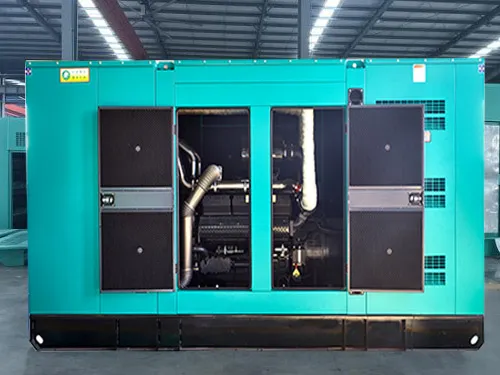
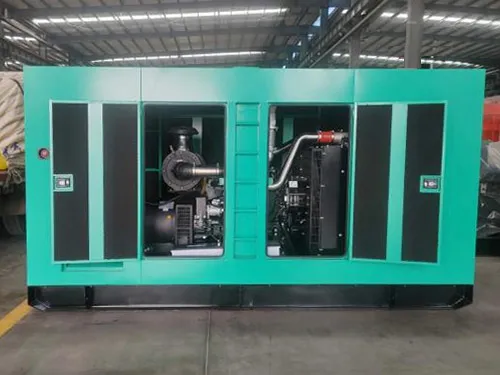
Soundproof enclosure material thickness (e.g., 1.2mm vs. 2.0mm steel panels).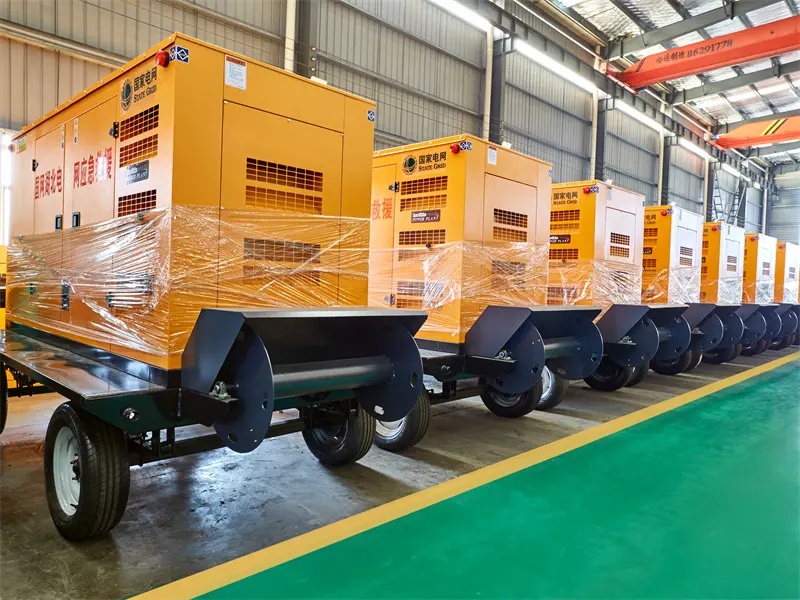
Fuel tank capacity (24-hour vs. 8-hour runtime).
Technical Parameters Impacting Pricing
Verifying Noise Level Testing Standards
Noise reduction technologies (e.g., double-layer enclosures, acoustic insulation) directly influence cost. Confirm if noise data is measured under ISO 8528-10 standard conditions:
Measurement distance: 7 meters (standard) or 1 meter (rare, but impacts reported values).Ambient temperature: 25°C (standard) or site-specific (e.g., tropicalized models).
Load conditions: 50% or 100% load (varies by manufacturer).
Fuel Consumption Efficiency
Higher fuel efficiency (lower g/kWh) often correlates with higher upfront costs. Review manufacturers’ published fuel consumption curves (e.g., 200 g/kWh at 50% load vs. 220 g/kWh) and verify compliance with ISO 8528-1 test conditions.
Emissions Compliance Certifications
Equipment meeting stricter emission standards (e.g., EU Stage V, EPA Tier 4) typically costs 10–20% more than non-compliant models. Certification documents (e.g., CARB approvals for California) should be publicly accessible to validate compliance.
Selection Reference: Scenario-Based Considerations
Industrial/Commercial Applications
For factories, data centers, or construction sites:
Verify prime power rating (continuous output) and standby power rating (peak demand support).Prioritize fuel tank capacity (e.g., 500L for 24-hour runtime) and remote monitoring capabilities.
Residential/Light Commercial Backup
For homes, small offices, or retail:
Verify sound pressure level at 7 meters (e.g., <65 dB(A) to meet residential noise codes).Prioritize automatic transfer switch (ATS) compatibility and compact footprint.
Conclusion
Diesel generator prices in 2026 are shaped by raw material costs, emission regulation compliance, and technical configuration choices. To optimize procurement, detailed comparison of specifications (e.g., noise testing standards, fuel efficiency, and emission certifications) is recommended, with weightings adjusted for industrial vs. residential use cases.