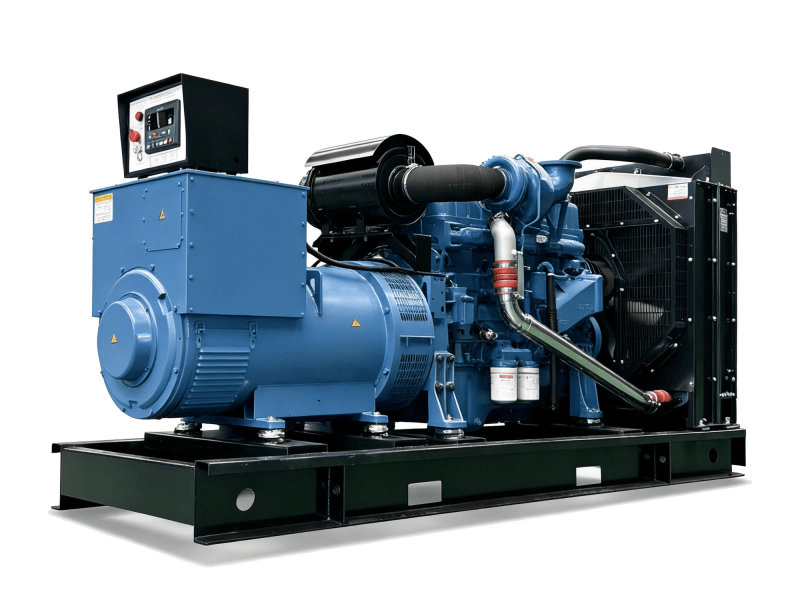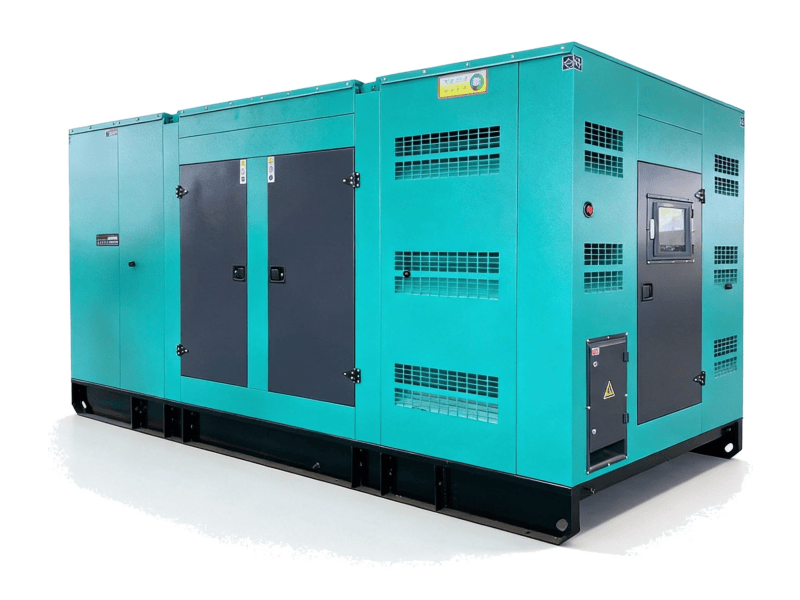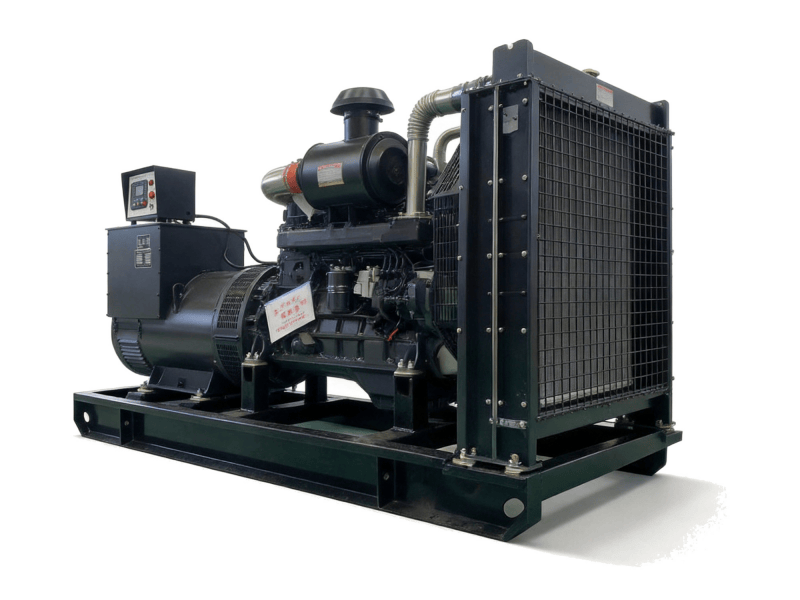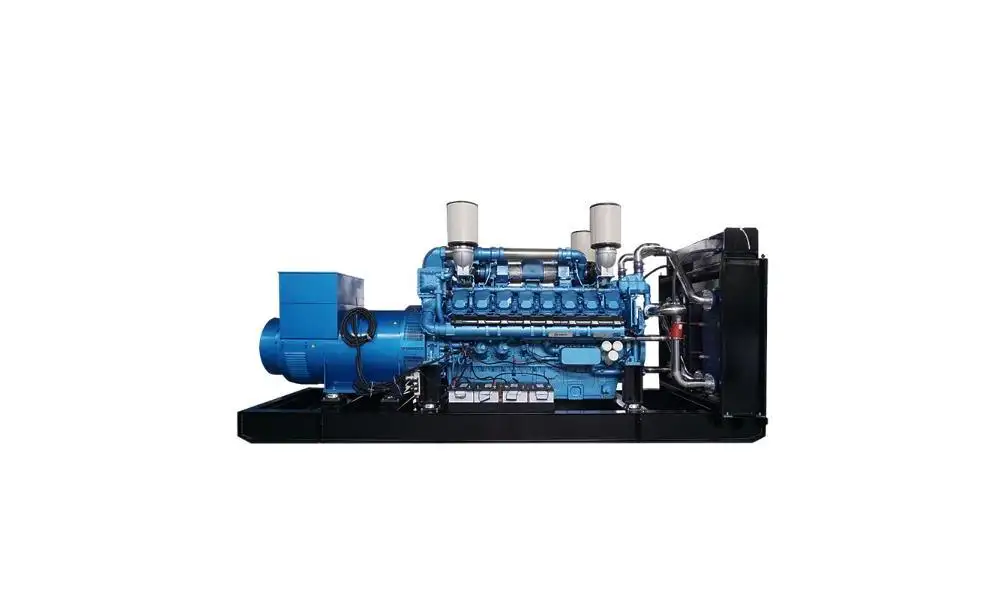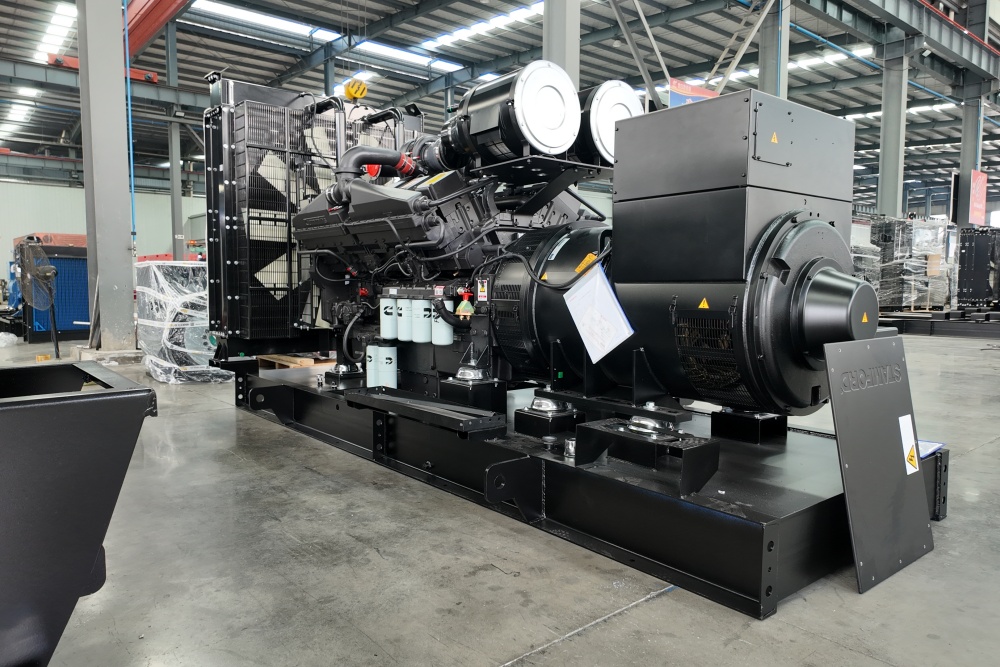

Shipping a 450 kW generating set is a logistics problem before it is an engineering one. The machine is not heavy by marine standards, at 3700 kg on the Kaichen KC-D450, but its envelope of 3550 by 1500 by 2000 mm and its rated volume of 10.65 CBM decide how many units a container carries, how the case is braced, and what the freight cost per kilowatt finally looks like.
What follows works through the figures a buyer and a forwarder both need: the nameplate ratings that set the package size, the cubic volume measured against a 40HQ, the weight path across the container floor, and the packing and documentation items that cause most of the delay on a first shipment.
The nameplate figures that decide the package
The KC-D450 carries two ratings rather than one. Prime output is 562.5 kVA at a power factor of 0.8, which is 450 kW for continuous duty; standby output is 618.8 kVA, or 495 kW, for the limited hours a backup supply actually runs. A forwarder quoting on 450 kW and a buyer sizing a 500 kVA service entrance are often describing the same machine from opposite ends.
Engine data sets the weight and the service access. The KC12V550-G3 is a twelve-cylinder unit of 26.6 litres, and the specific fuel consumption quoted at 200 g/kWh is the number that turns a fuel budget into a tank size instead of a brochure promise.
What 10.65 CBM actually means inside a 40HQ
A 40HQ box gives roughly 12.0 m of internal length, 2.35 m of width and 2.69 m of height, so a working allowance near 68 m3 is normal once dunnage and lashing are counted. At 10.65 CBM per set, three units fit with room to spare; four do not, whatever a floor plan drawn on a single sheet suggests.
The awkward dimension is the 3550 mm length against a 1500 mm width. Two sets side by side exceed the internal width, so the third unit travels alone in the remaining bay. That loading pattern, not the total volume, is what a real plan has to solve before the container is booked.
Weight, floor loading and the second limit
Volume rarely fails first at this size. A 3700 kg set spread across 3550 by 1500 mm puts a modest load on a container floor and sits inside the point-load limits of a standard box, yet the same machine lifted onto a flat rack needs spreader beams rather than direct slinging through the frame.
Ask for the centre of gravity in writing. On sets of this layout it sits toward the alternator end, and a crane operator working from a guessed position is the usual reason a base frame arrives bent or a canopy arrives with its doors out of alignment.
What the packing adds to the volume
The 10.65 CBM figure describes the set, not the freight unit. A fumigated wooden case adds 100 to 150 mm on each face, which pushes a single set past 12 CBM and changes the container count on a mixed order. When a buyer wants three sets, the packing decision should be taken before the freight is quoted.
Open-frame sets travel with the radiator blanked, the exhaust capped and the control panel wrapped; canopied sets need their doors latched and louvres protected, because a canopy that swings open in transit damages more than paintwork and delays acceptance at the far end.
A mixed order changes the arithmetic again. A 450 kW set loaded beside smaller machines has to be braced against a heavier neighbour, so the lashing plan needs the mass of every unit rather than an average. Sea freight is quoted on the loaded volume, which follows the tallest and widest item in the box rather than the sum of the catalogue figures.
Fluids and settings before the box closes
Diesel is drained to the minimum the carrier permits and the tank is labelled as emptied, while coolant stays in and is mixed for the lowest ambient on the route rather than the ambient at the factory. A set filled with antifreeze rated to -25 C leaves the works ready for a cold port, and that detail belongs on the packing list rather than in a email.
Battery isolators are opened and tagged, and the AVR settings are recorded on the test sheet so that the receiving engineer can compare them with the readings taken on arrival, which is also the moment most warranty questions begin.
The document set that travels with the machine
Four-stage load testing at 20, 50, 75 and 100 per cent, recorded on video, is the evidence most buyers now ask for before release. It is also the practical way to show that a 450 kW set reaches its rating on the test bench rather than in a quotation.
Alongside the test record, the case should carry the packing list, the spare parts list and the wiring diagram. ISO 9001, ISO 14001 and ISO 45001 certificates and a CE declaration travel in the same folder, because a customs broker tends to ask for all of them at the same moment.
What to write into the purchase order
State the rating basis, prime or standby, together with the ambient and altitude at which it applies. A 450 kW set sold at 40 C is a different machine from one sold at 25 C, and the difference belongs in the contract rather than in a conversation after commissioning.
Then state the packing: case or frame, fumigation certificate required or not, and whether freight volume is to be calculated on the bare set or on the packed set. Those three lines remove most of the argument that follows a first shipment, and they cost nothing to add.
Why Jiangsu Kaichen for 450 kW export orders
Jiangsu Kaichen Power builds in Yangzhou with an annual capacity of 8000 sets and more than 20000 units delivered in the past three years. Standard sets ship in 7 to 15 working days, container batches in 20 to 30 days, on FOB Shanghai terms with 30 per cent deposit and the balance before shipment.
The 450 kW class moves regularly into container traffic, and the CBM, mass and test figures above come from the same parameter set the factory quotes from, so the freight calculation and the technical offer start from a single source instead of two.