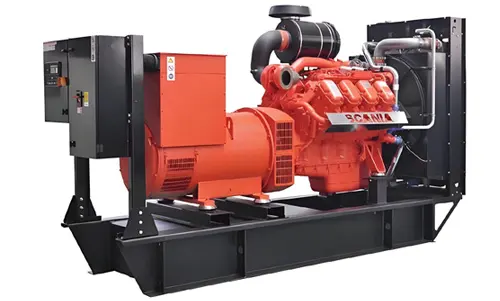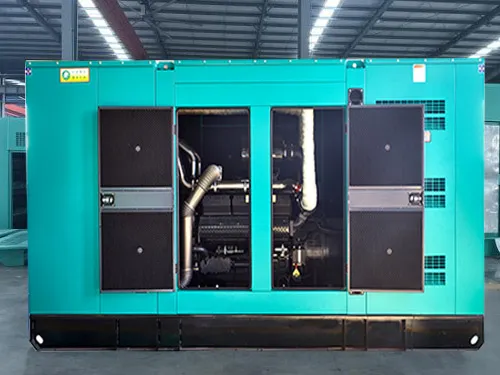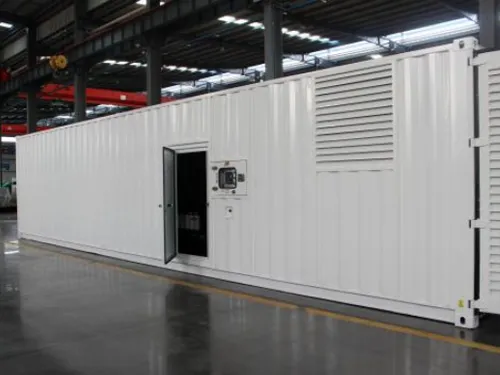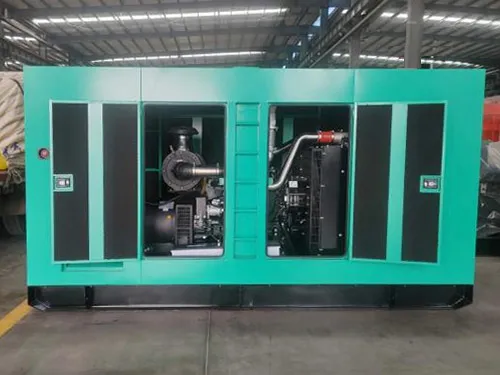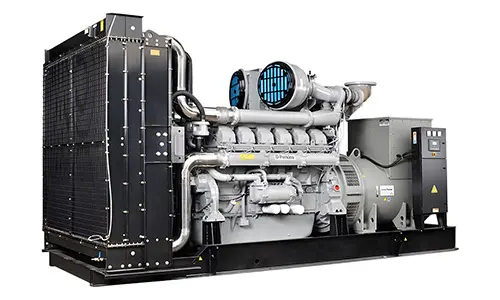

Industrial diesel generators are critical for uninterrupted power in manufacturing, data centers, and infrastructure projects. However, the total cost of ownership (TCO) for an industrial diesel generator extends far beyond the initial purchase price. Understanding these hidden or ongoing costs is essential for accurate budgeting and long-term operational efficiency. Below, we break down the key cost components, with insights from Jiangsu Kaichen Power Equipment Co., Ltd. (Kaichen Power), a leading manufacturer of durable, efficient diesel generators.
1. Maintenance and Repair Costs
Regular maintenance is vital to ensure reliability, efficiency, and longevity. Costs include:
Scheduled Servicing: Oil changes, filter replacements, load bank testing, and preventive inspections (typically 1–3% of the generator’s purchase price annually).Unscheduled Repairs: Parts (e.g., alternators, starters) and labor for unexpected failures. Kaichen’s generators, built with ISO 9001-certified quality, minimize breakdown risks, but even robust units require occasional repairs.
Lifetime Maintenance: Over 10 years, maintenance can represent 20–40% of the initial purchase price, depending on usage and model.
2. Fuel Expenses
Diesel fuel costs depend on:
Consumption Rate: Industrial generators typically consume 0.25–0.5 gallons of diesel per kilowatt-hour (kWh) at 50–100% load. Kaichen’s generators (e.g., their silent diesel generators) are optimized for low fuel consumption, reducing long-term costs.Fuel Price Volatility: Global diesel prices fluctuate, impacting annual expenses. For a 500 kW generator running 2,000 hours/year at 0.3 gallons/kWh, fuel costs at $4/gallon would total $120,000 annually.
3. Installation and Setup Costs
Proper installation involves:
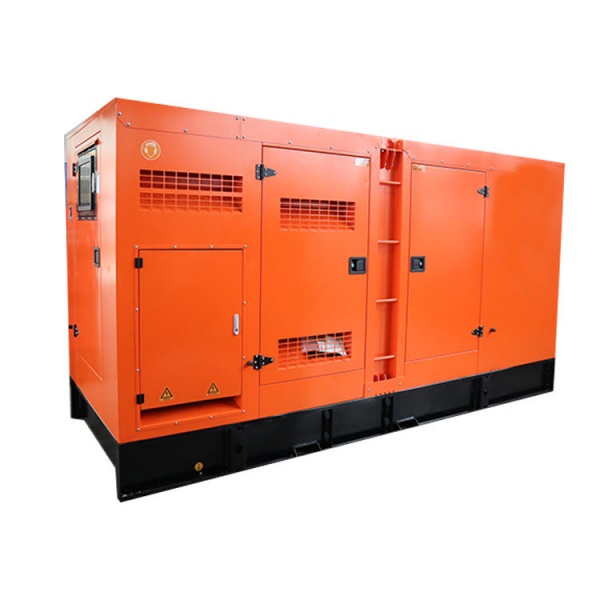
Site Preparation: Concrete pads, ventilation systems, and noise barriers (especially for Kaichen’s silent generators, which require soundproof enclosures to meet ISO 8528-10 noise standards).Electrical Integration: Wiring, transfer switches, and compliance with local electrical codes.
Permits and Inspections: Regulatory approvals for emissions, noise, and safety. Kaichen’s customized solutions ensure seamless integration, avoiding rework costs.
4. Insurance and Liability
Generators are high-value assets, so insurance covers:
Property Damage: Fire, theft, or natural disasters.Liability: Injuries or damages caused by generator malfunctions. Premiums vary by location, generator value, and usage (e.g., $500–$2,000/year for a $100,000 generator).
5. Downtime and Lost Productivity
If a generator fails, industrial operations halt, leading to:
Lost Revenue: For a manufacturing plant earning $10,000/hour, even 4 hours of downtime can cost $40,000. Kaichen’s ISO-tested generators (with strict quality control) minimize outage risks, but unplanned failures still occur.Reputational Damage: Delays in production or service can erode customer trust.
6. Operator Training and Labor
Trained operators are required to:
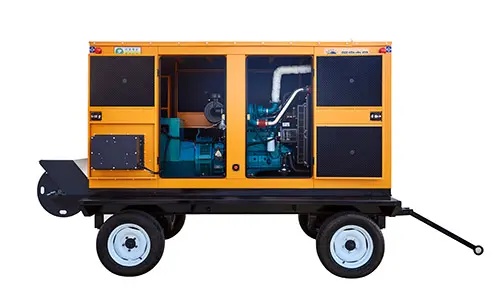
Kaichen provides operator training for their generators, reducing errors that cause wear, inefficiency, or safety hazards.
7. Spare Parts and Inventory
Maintaining a spare parts inventory (e.g., filters, belts, alternator components) ensures quick repairs. Kaichen’s global parts network (partnering with Cummins, Perkins, and other OEMs) provides timely access to genuine parts, reducing inventory holding costs.
8. Depreciation and Financing
Financing/Leasing: Interest payments (if financed) or lease fees add to costs. Kaichen offers flexible financing options to ease cash flow.Depreciation: For accounting purposes, generators depreciate over 5–10 years, impacting tax liabilities.
9. Environmental and Disposal Costs
Emissions Compliance: Upgrades (e.g., SCR systems) to meet EPA Tier 4 or EU Stage V standards. Kaichen’s generators are pre-compliant with global emissions regulations, reducing retrofitting costs.End-of-Life Disposal: Recycling or proper waste management for old generators. Kaichen’s after-sales service assists with eco-friendly decommissioning.
Conclusion
Beyond the purchase price, an industrial diesel generator’s TCO includes maintenance, fuel, installation, compliance, downtime, and operational costs. Partnering with a reputable manufacturer like Kaichen Power—known for durable, efficient, and compliant generators—optimizes these expenses. Their:
ISO-certified quality (minimizing repairs),Low-fuel-consumption design,
Silent enclosures (reducing compliance costs),
Comprehensive after-sales support, and
Customized solutions
ensure clients minimize hidden costs while maximizing uptime. For a transparent TCO analysis tailored to your industry, consult Kaichen Power’s technical team.
Key Takeaways
TCO = Purchase Price + Maintenance + Fuel + Installation + Compliance + Downtime + Labor + Disposal.Invest in quality (e.g., Kaichen’s generators) to reduce long-term costs.
Leverage manufacturer support (training, parts, financing) to optimize efficiency.
By accounting for all these factors, businesses can make informed decisions that balance upfront investment with sustainable, cost-effective power solutions.